AI Accelerators & GPUs
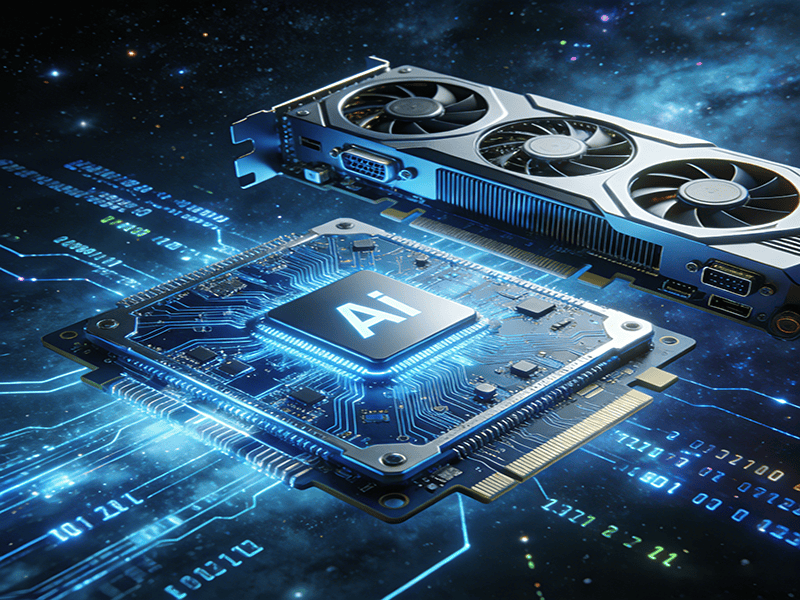
High-performance AI chips operate at sustained peak power. Efficient thermal interfaces are critical to transfer heat to heat sinks and cold plates, preventing throttling and performance loss.

Extreme Heat Density: AI accelerators and GPUs generate intense heat under continuous workloads.
System Throttling Risks: Inadequate thermal transfer limits sustained AI performance.
Reliability Under 24/7 Load: Long-term thermal stress accelerates material degradation.
High-performance AI chips operate at sustained peak power. Efficient thermal interfaces are critical to transfer heat to heat sinks and cold plates, preventing throttling and performance loss.

Dense AI server architectures leave little margin for thermal inefficiency. Reliable thermal materials help maintain stable temperatures across CPUs, GPUs, and interconnect modules.
HBM, DDR, and high-speed interconnect components generate localized heat. Proper thermal management improves signal stability and system reliability.

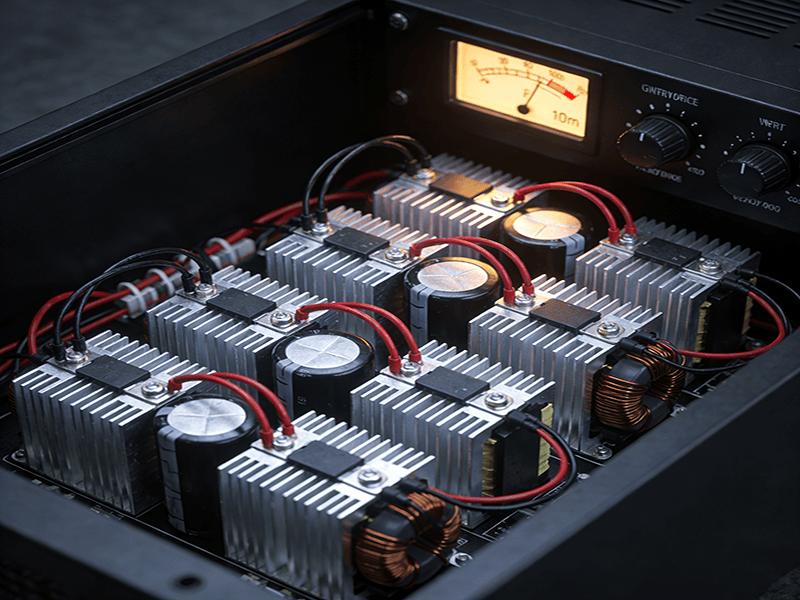
Power modules and VRMs supporting AI workloads operate continuously at high load. Stable thermal interfaces reduce thermal stress and extend component lifetime.
| Property | Value |
|---|---|
| Thermal Conductivity | 1.5 – 8.0 W/m·K |
| Dielectric Breakdown Voltage | > 6.0 – 10.0 kV/mm |
| Hardness & Deflection | 0.5–5 mm |
| Shore 00 20 – 50 (High Compressibility) | -50°C to +200°C | UL 94 V-0 |
| Ideal EV Applications | OBC, DC-DC, High-Voltage PDU, Battery Packs |
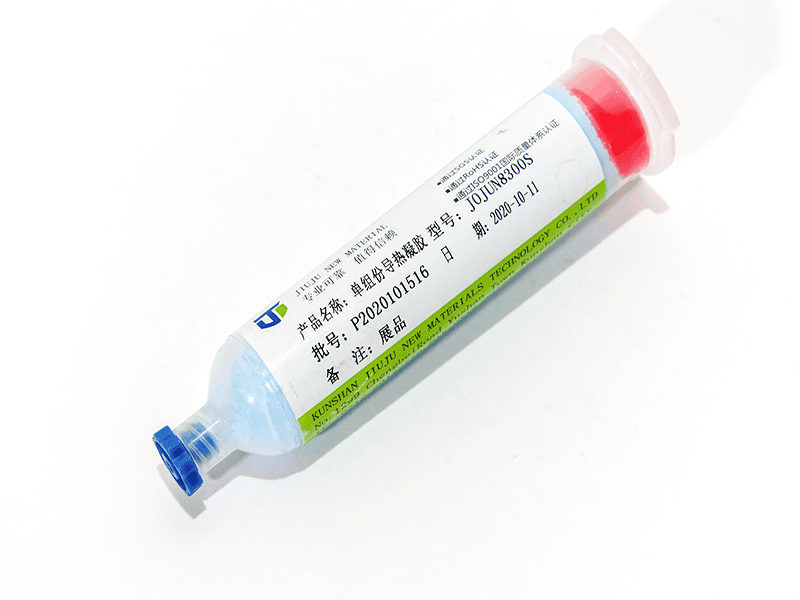
| Property | Value |
|---|---|
| Thermal Conductivity | 2.0 – 6.5 W/m·K |
| Dispensing Flow Rate | High Thixotropic / >40 g/min |
| Outgassing (Siloxane) | Ultra-low Outgassing / Non-Silicone Available |
| Operating Temp & Reliability | -50°C to +180°C | Anti-Slumping |
| Ideal EV Applications | ADAS Cameras, LiDAR, ECUs, Sensor Modules |
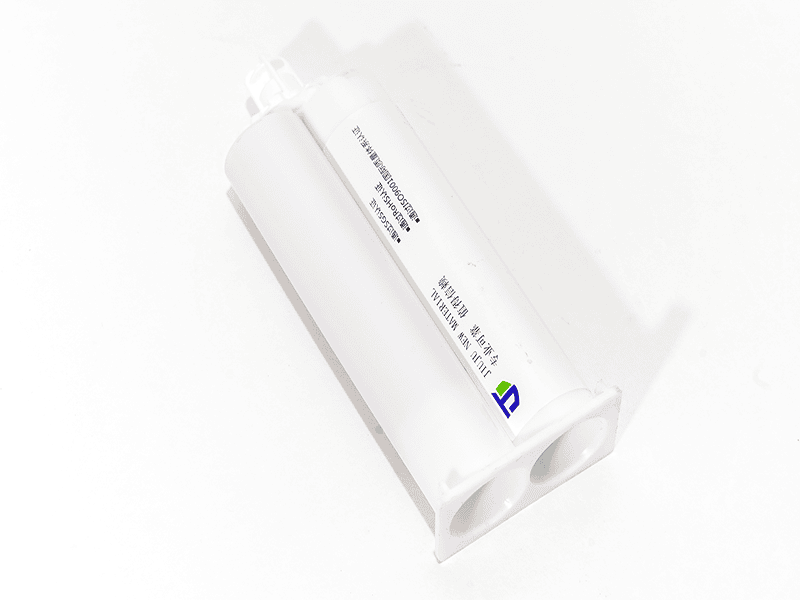
| Property | Value |
|---|---|
| Thermal Conductivity | 3.0 – 6.5 W/m·K |
| Thermal Impedance & BLT | < 0.04 °C·in²/W | Min BLT ~15 µm |
| Dielectric Breakdown Voltage | > 4.0 – 8.0 kV/mm |
| Operating Temp & Reliability | -50°C to +180°C | Anti-Pump-Out (>1,000 hrs) |
| Ideal EV Applications | SiC/IGBT Power Inverters, MCU Chipsets, Fast Chargers |
More in line with the academic scenarios



Extend Battery Cycle Life by up to 25 %: Better heat removal means less stress on cells. Reduce System Weight & Complexity: Thin pads replace bulky cooling assemblies.
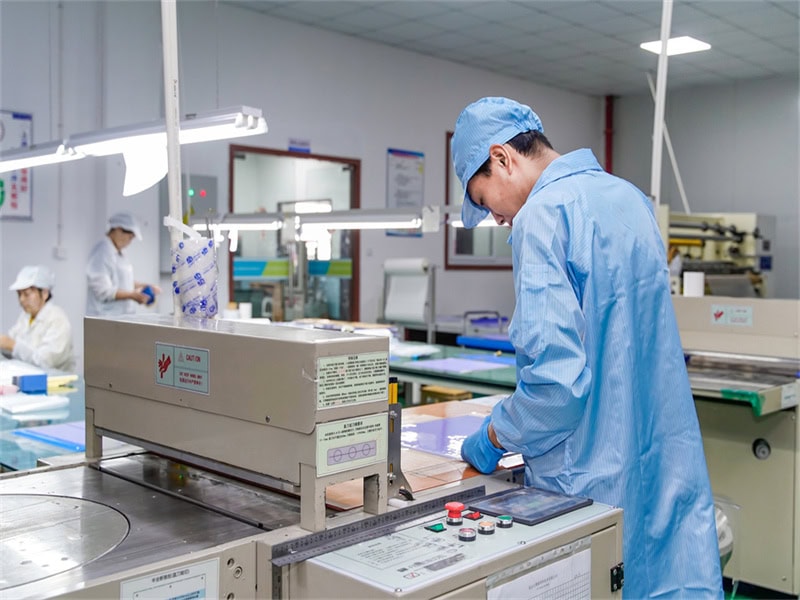
AI processors and accelerators operate at very high power density. Effective thermal management ensures stable performance, prevents throttling, and protects long-term hardware reliability.
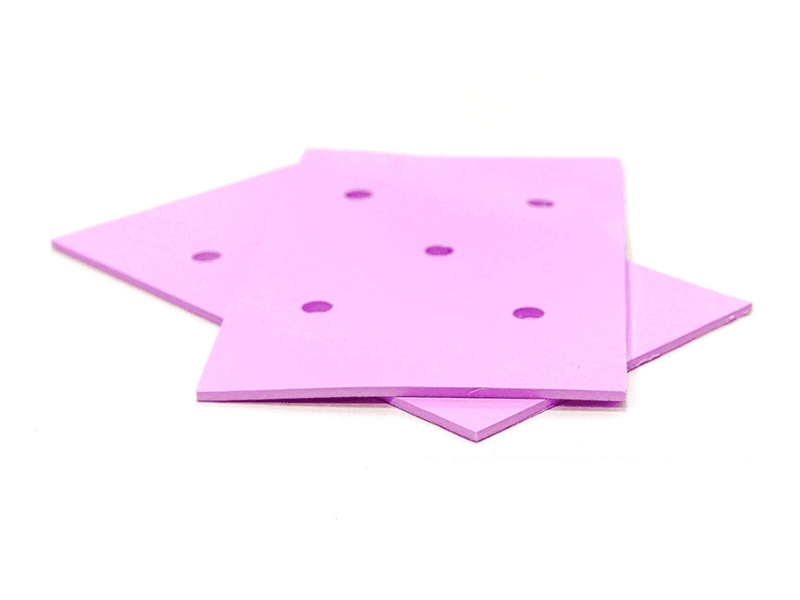
Common solutions include thermal pads for gap filling, thermal gels for uniform interfaces in dense systems, and thermal pastes for direct contact with AI processors.
High-quality thermal materials reduce thermal resistance, enabling sustained clock speeds and consistent AI inference and training performance.