EV Fast Charging Systems
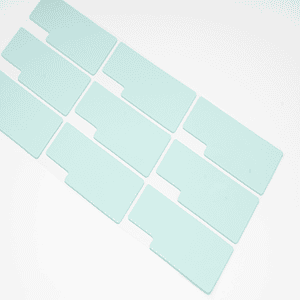
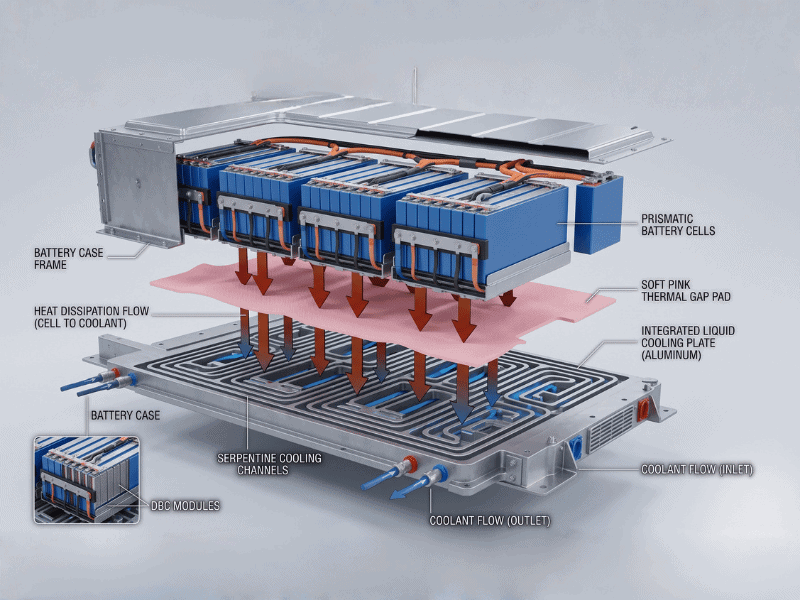
Weather-resistant thermal pads and high-flow dispensable gels engineered for liquid cooling plates and extreme heat dissipation during 800V fast charging.

As electric vehicles transition to 800V architectures and high-throughput autonomous driving platforms, thermal interface materials must overcome severe mechanical tolerances, dielectric breakdown arcing, and optical fogging in sealed sensor housings.
Weather-resistant thermal pads and high-flow dispensable gels engineered for liquid cooling plates and extreme heat dissipation during 800V fast charging.
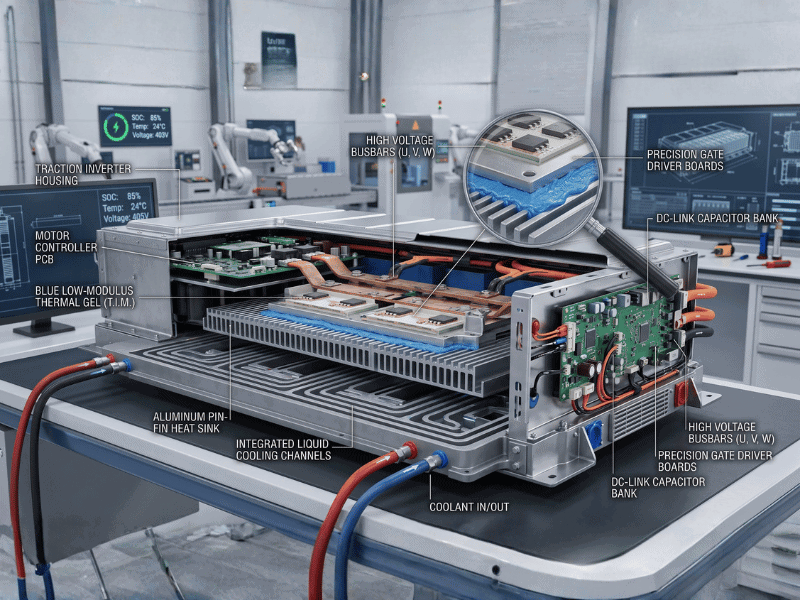
Ultra-low thermal resistance phase change materials and high-conductivity gels designed for high-power SiC/IGBT power modules under severe thermal cycling.
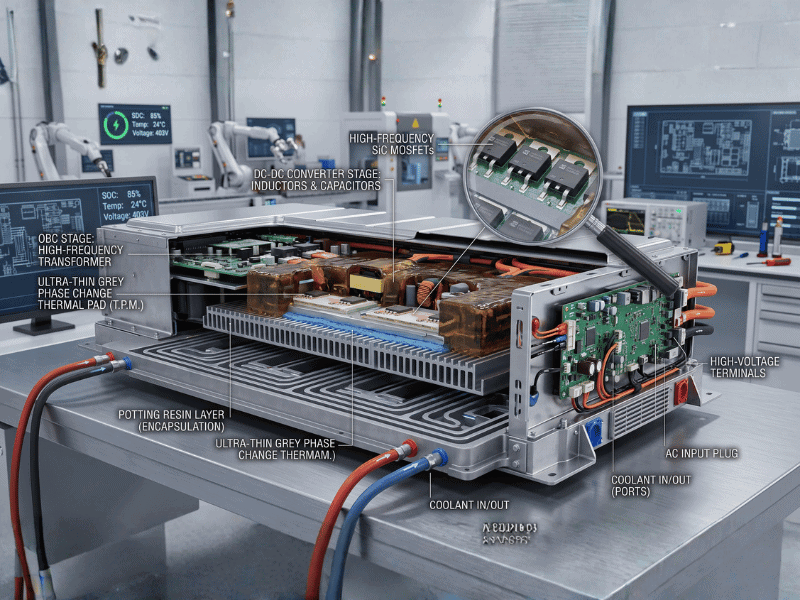
Ultra-soft gap pads and structural potting compounds providing high dielectric breakdown voltage (>8 kV/mm) and tolerance absorption for magnetic components.
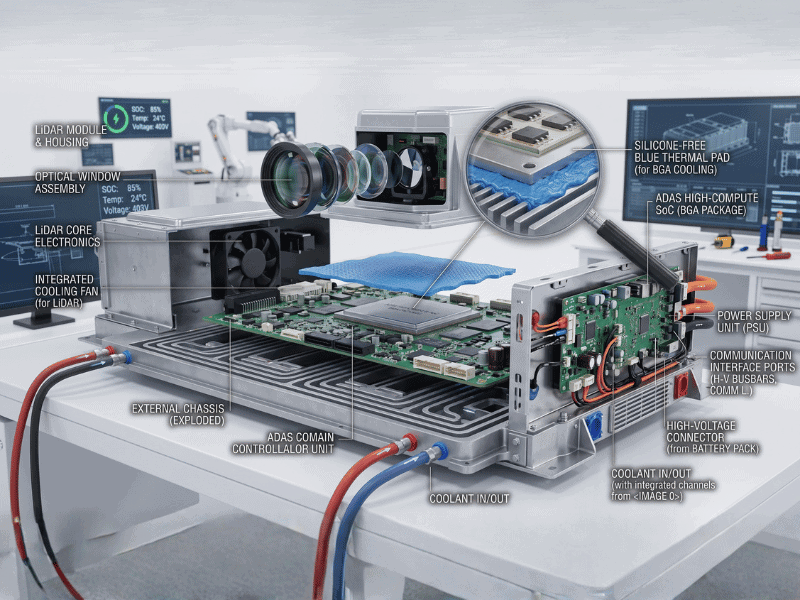
Non-silicone and low-outgassing thermal gels preventing optical lens fogging, with near-zero compression stress to protect delicate micro-soldered PCBs.
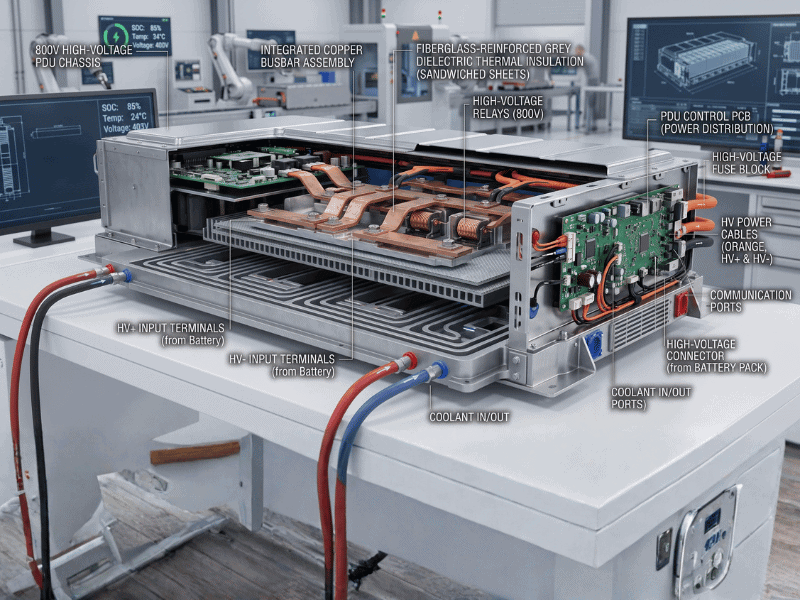
Fiberglass-reinforced, tear-resistant thermal interface pads offering robust physical puncture resistance and continuous high-voltage electrical insulation.
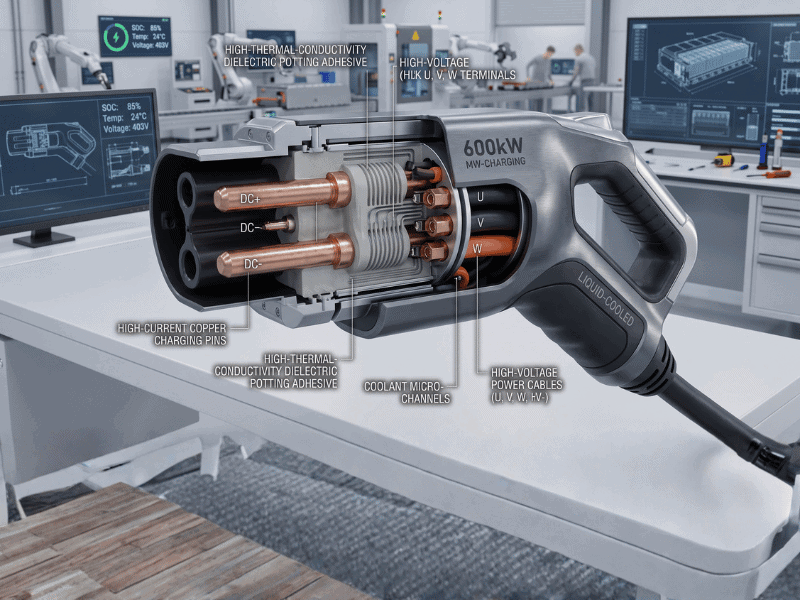
Hydrolysis-resistant dielectric potting resins for 600kW+ liquid-cooled charging plugs and power terminals.
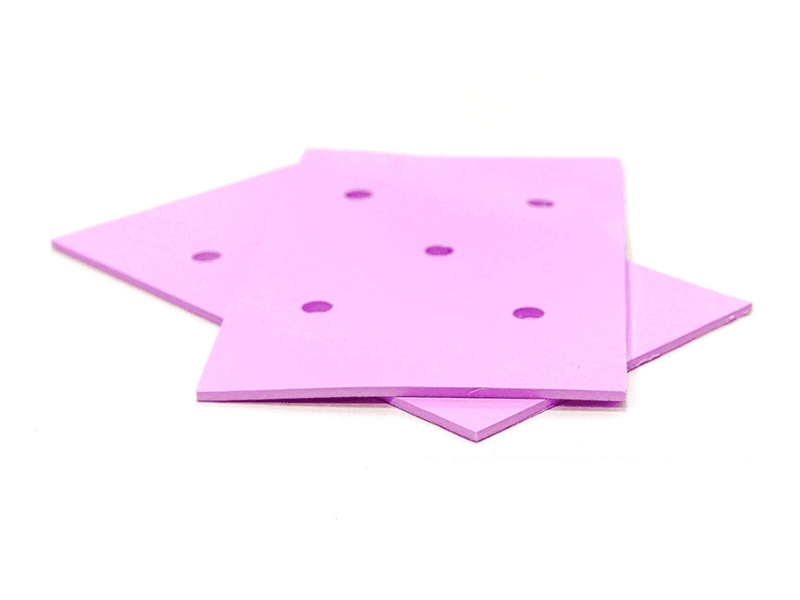
Engineered for irregular tolerance absorption, high-voltage electrical insulation, and UL 94 V-0 safety compliance across EV battery packs and power electronics.
| Property | Value |
|---|---|
| Thermal Conductivity | 1.5 – 8.0 W/m·K |
| Dielectric Breakdown Voltage | > 6.0 – 10.0 kV/mm |
| Hardness & Deflection | 0.5–5 mm |
| Shore 00 20 – 50 (High Compressibility) | -50°C to +200°C | UL 94 V-0 |
| Ideal EV Applications | OBC, DC-DC, High-Voltage PDU, Battery Packs |

Designed for high-heat-flux SiC/IGBT power modules, providing minimum bond line thickness, ultra-low contact resistance, and long-term anti-pump-out stability.
| Property | Value |
|---|---|
| Thermal Conductivity | 2.0 – 6.5 W/m·K |
| Dispensing Flow Rate | High Thixotropic / >40 g/min |
| Outgassing (Siloxane) | Ultra-low Outgassing / Non-Silicone Available |
| Operating Temp & Reliability | -50°C to +180°C | Anti-Slumping |
| Ideal EV Applications | ADAS Cameras, LiDAR, ECUs, Sensor Modules |
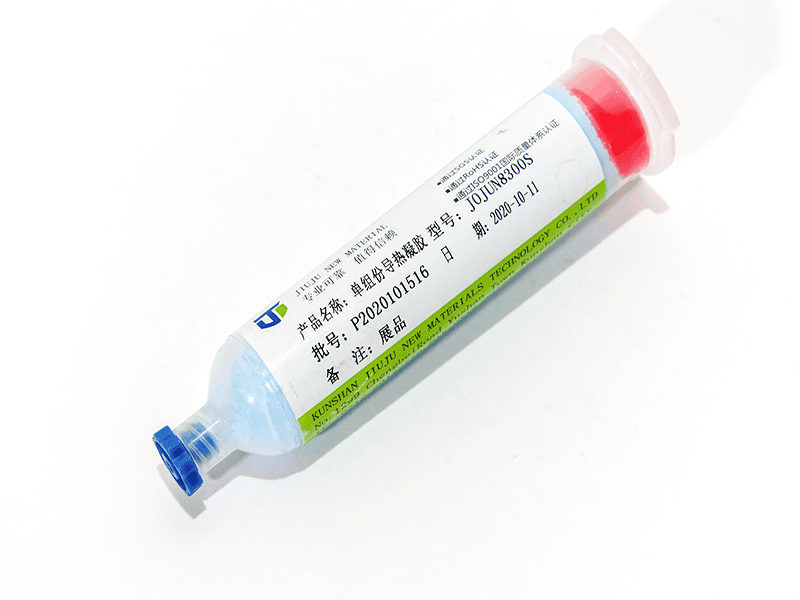
High-thixotropic, one/two-part pre-cured dispensable gels designed for high-speed automated lines, near-zero assembly stress, and ultra-low siloxane outgassing.
| Property | Value |
|---|---|
| Thermal Conductivity | 3.0 – 6.5 W/m·K |
| Thermal Impedance & BLT | < 0.04 °C·in²/W | Min BLT ~15 µm |
| Dielectric Breakdown Voltage | > 4.0 – 8.0 kV/mm |
| Operating Temp & Reliability | -50°C to +180°C | Anti-Pump-Out (>1,000 hrs) |
| Ideal EV Applications | SiC/IGBT Power Inverters, MCU Chipsets, Fast Chargers |
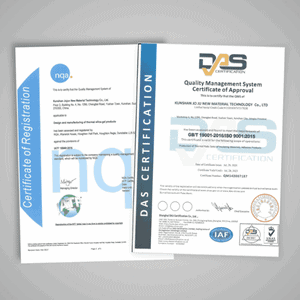
Rigorously tested to international ASTM and ISO standards—ensuring zero electrical breakdown, UL 94 V-0 flame safety, and long-term reliability for 800V EV platforms.
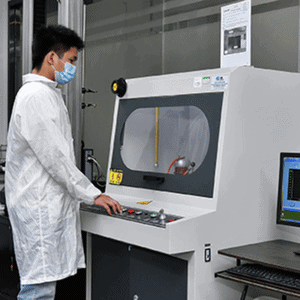
We deliver integrated manufacturing support engineered for EV production lines:
Precision Die-Cutting: Complex shapes with tolerances within ±0.1mm.
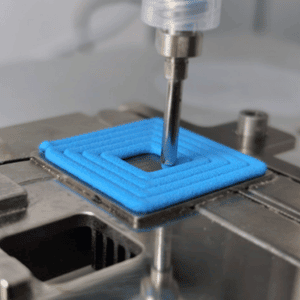
Dispensing Support: Custom rheology matching for slump-free automated lines.
Rapid Prototyping: Standard sample turnarounds in 24–48 hours.
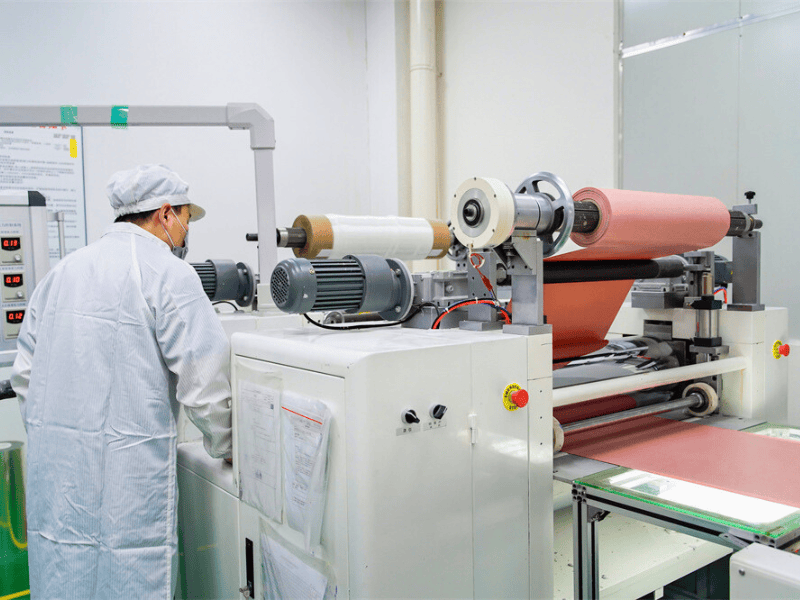
Our EV thermal interface materials are manufactured under the IATF 16949 quality management system and fully comply with UL 94 V-0 flame-retardant standards and RoHS/REACH directives. All formulations undergo rigorous in-house reliability testing, including 1,000-hour thermal shock cycling (-40°C to +150°C), double 85 high-humidity aging (85°C / 85% RH), and ASTM D149 dielectric breakdown testing to ensure continuous safety in 800V architectures.
For sealed optical sensors (LiDAR, ADAS cameras, and radar), we offer ultra-low volatile thermal gels and 100% silicone-free thermal putties. These materials undergo GC-MS testing to ensure low D3–D10 siloxane emissions, eliminating the risk of optical lens fogging and contact point poisoning while maintaining ultra-low assembly stress on delicate micro-solder joints.
Our automotive-grade thermal gap pads deliver dielectric breakdown ratings ranging from >6.0 kV/mm to over 10.0 kV/mm according to ASTM D149. For high-voltage PDU and busbar applications, we offer fiberglass-reinforced options that provide superior mechanical tear and puncture resistance during assembly, preventing electrical breakdown under extreme vibration.
Yes. We engineer customized thixotropic and rheological properties to match various robotic dispensing systems (such as Nordson and Scheugenpflug). Our single-part and two-part dispensable thermal gels achieve high flow rates (>40 g/min) for cycle time reduction, exhibit zero slumping on vertical surfaces, and provide long-term anti-pump-out stability during operational thermal cycles.