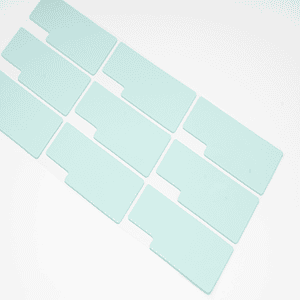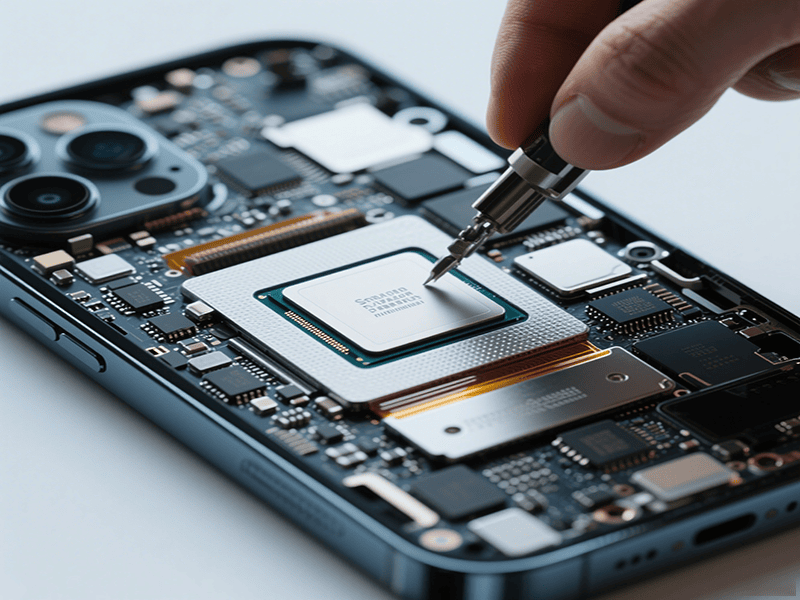
Smartphone Thermal Management
Ultra-thin grades engineered for tight z-height and high power density.

High Heat Density: Compact devices generate excessive heat, risking performance throttling.
Limited Space: Slim designs leave little room for traditional cooling solutions.
Long-Term Reliability: Repeated thermal cycles degrade conventional pads and pastes.
Ultra-thin grades engineered for tight z-height and high power density.

High-conductivity pads that route heat to chassis and heat spreaders to reduce fan duty cycles, lower noise, and extend battery life — with formulations optimized for long-term mechanical stability under thermal cycling.

High-performance, compressible pads for large power spikes and localized hotspots. Formulations prioritize thermal conductivity and resilient compression set for steady performance during long play sessions.

Soft, electrically insulating pads that provide reliable thermal contact in small enclosures — ideal for hubs, routers, and IoT modules where space and safety matter.
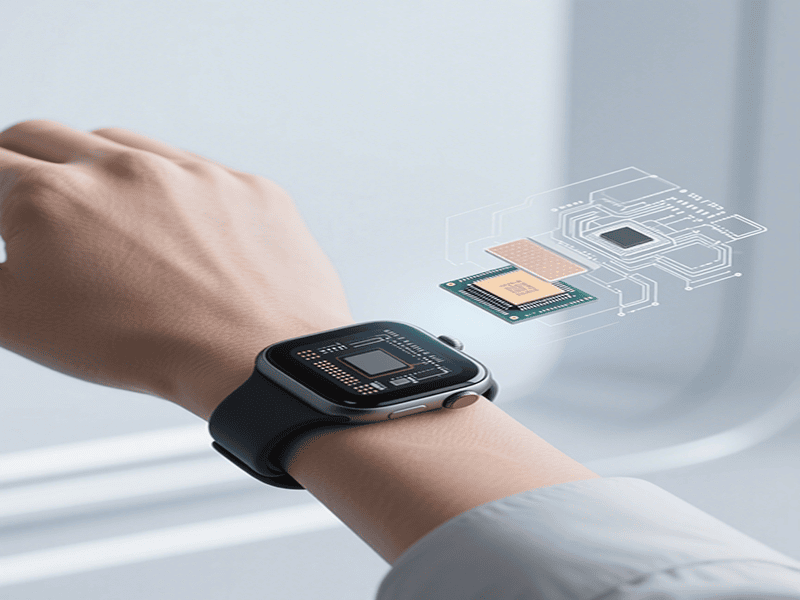
Lightweight, flexible materials that balance thermal spread with tactile comfort — designed for low-profile assemblies and strict weight limits.
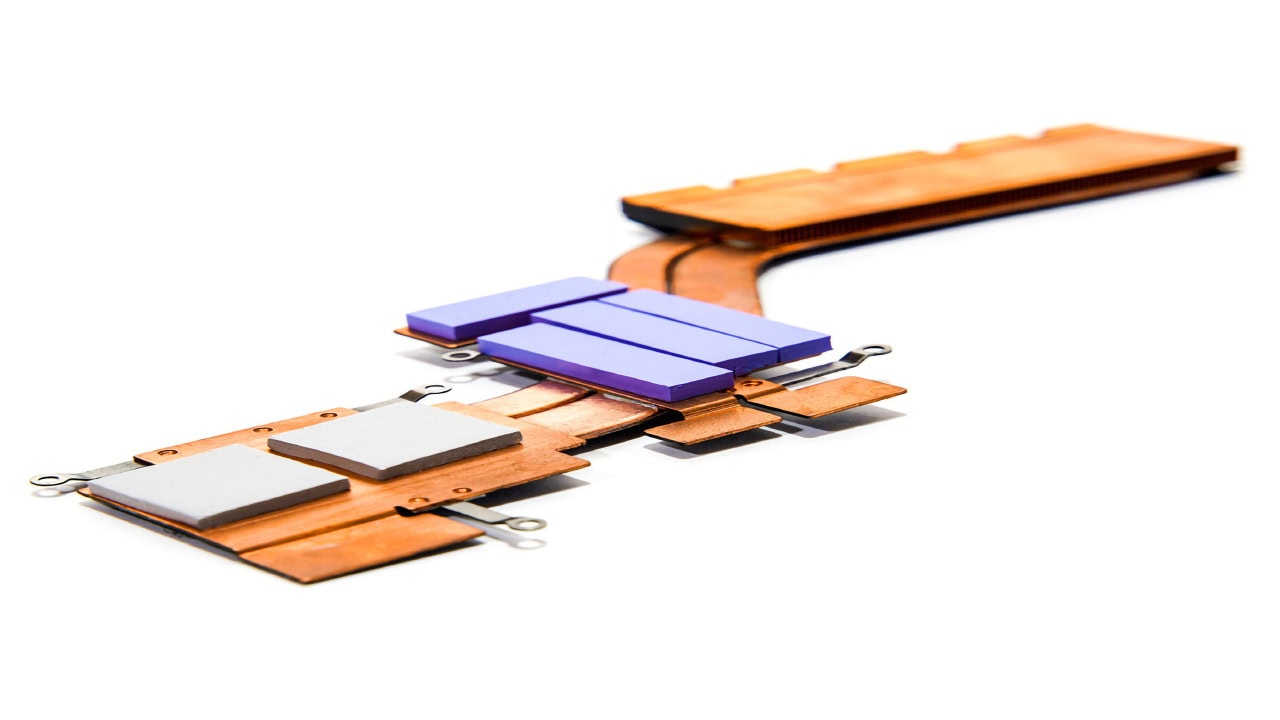
| Property | Value |
|---|---|
| Thermal Conductivity | 1.5 – 8.0 W/m·K |
| Dielectric Breakdown Voltage | > 6.0 – 10.0 kV/mm |
| Hardness & Deflection | 0.5–5 mm |
| Shore 00 20 – 50 (High Compressibility) | -50°C to +200°C | UL 94 V-0 |
| Ideal EV Applications | OBC, DC-DC, High-Voltage PDU, Battery Packs |
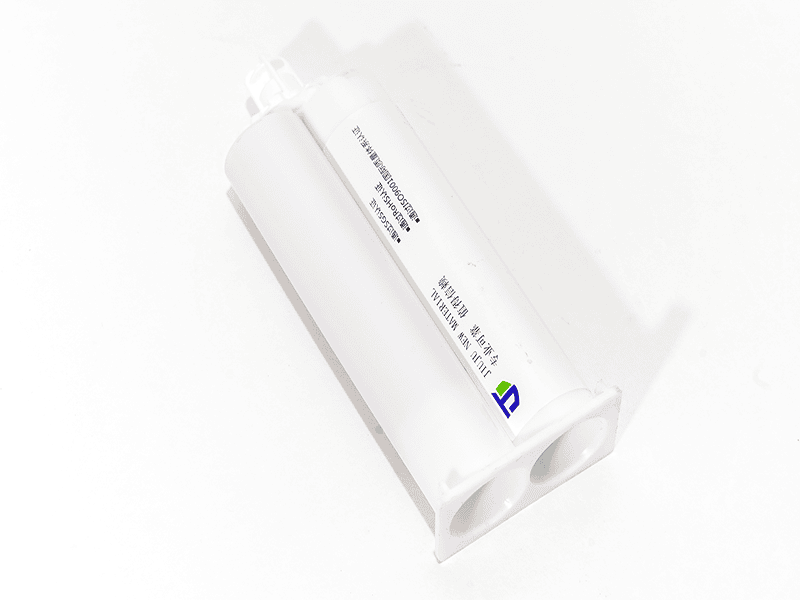
| Property | Value |
|---|---|
| Thermal Conductivity | 2.0 – 6.5 W/m·K |
| Dispensing Flow Rate | High Thixotropic / >40 g/min |
| Outgassing (Siloxane) | Ultra-low Outgassing / Non-Silicone Available |
| Operating Temp & Reliability | -50°C to +180°C | Anti-Slumping |
| Ideal EV Applications | ADAS Cameras, LiDAR, ECUs, Sensor Modules |
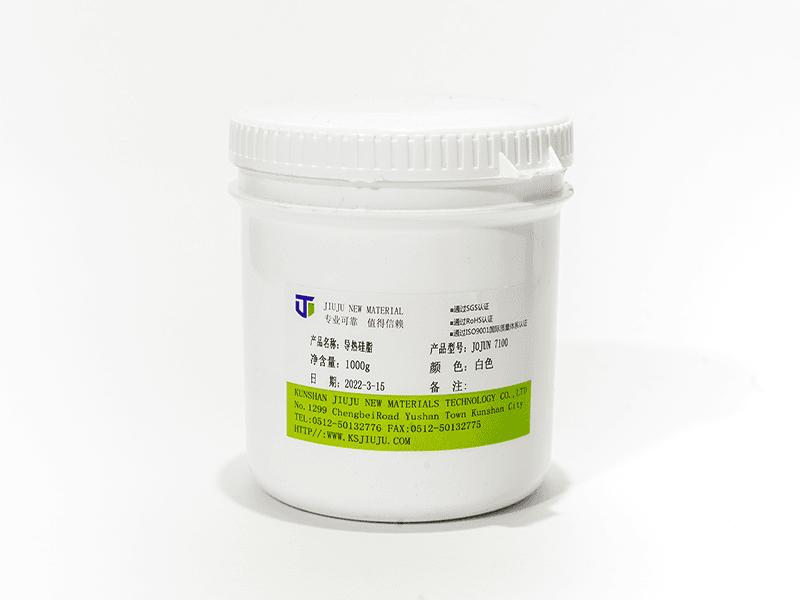
| Property | Value |
|---|---|
| Thermal Conductivity | 3.0 – 6.5 W/m·K |
| Thermal Impedance & BLT | < 0.04 °C·in²/W | Min BLT ~15 µm |
| Dielectric Breakdown Voltage | > 4.0 – 8.0 kV/mm |
| Operating Temp & Reliability | -50°C to +180°C | Anti-Pump-Out (>1,000 hrs) |
| Ideal EV Applications | SiC/IGBT Power Inverters, MCU Chipsets, Fast Chargers |
More in line with the academic scenarios



Designed for Compact Electronics: Materials optimized for thin, lightweight, and high-power consumer devices.
Stable Thermal Performance: Reliable heat dissipation reduces throttling and supports long device lifetime.
Manufacturing Friendly: Consistent quality supports high-volume, automated electronics production.
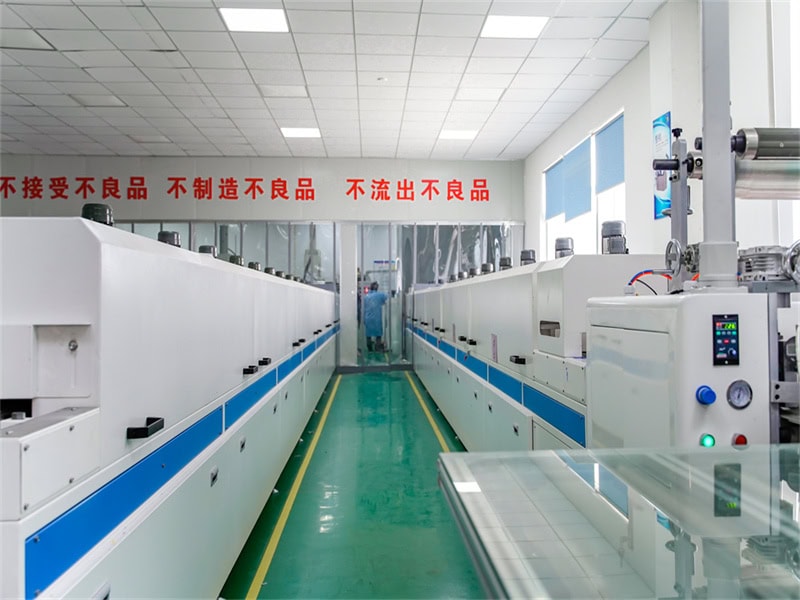

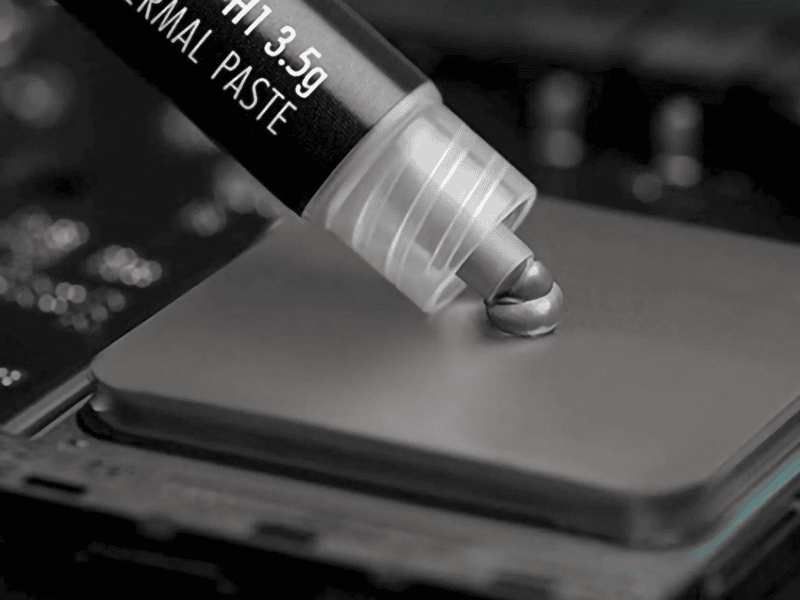

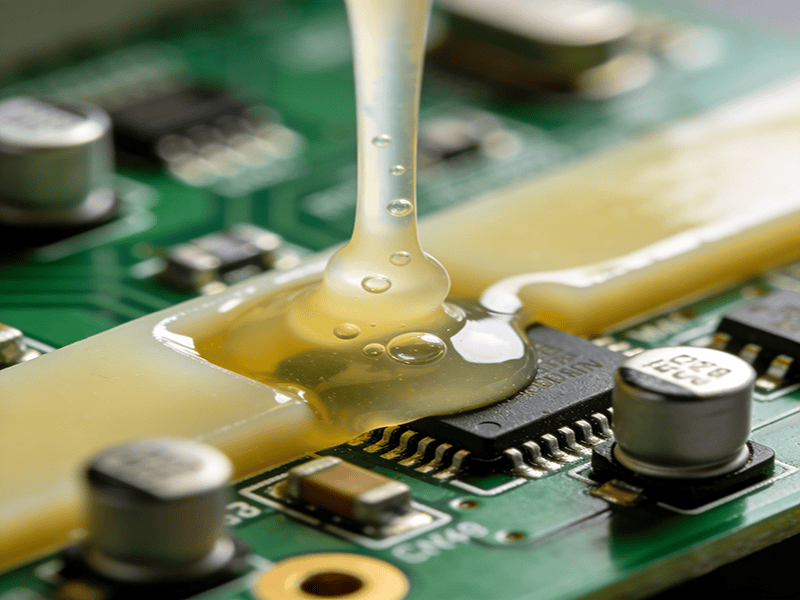
Thermal pads fill microscopic air gaps and provide a reliable, clean thermal path from ICs and batteries to spreaders or housings — essential for temperature control and device longevity.
Smartphones, laptops, tablets, consoles, smart home devices, and wearables — anywhere thin profile and predictable assembly are priorities.
Pads are cleaner, easier to automate, and suited to mass production and fixed gaps. Pastes can offer slightly higher contact at very thin gaps but are messier and harder to control in high-volume lines.
Yes — conductivity, thickness, hardness, and adhesives can be tailored for your assembly and thermal target.