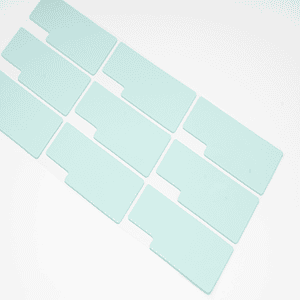
High-Density CPU & GPU Hotspots
Modern CPUs and GPUs generate extreme heat under continuous workloads. Efficient thermal interfaces help maintain stable performance and prevent thermal throttling in high-density server environments.

Extreme Heat Load: CPUs, GPUs, and accelerators produce continuous high thermal output.
Uptime Requirements: Thermal failures directly impact system stability and service availability.
Long-Term Degradation: Prolonged high temperatures accelerate TIM aging and performance loss.
Modern CPUs and GPUs generate extreme heat under continuous workloads. Efficient thermal interfaces help maintain stable performance and prevent thermal throttling in high-density server environments.

Power supply units and power stages operate continuously at high load. Reliable thermal solutions help control component temperatures and support long-term system stability.

Memory modules and VRMs experience sustained thermal stress in compact server layouts. Proper heat dissipation reduces performance degradation and improves overall system reliability.
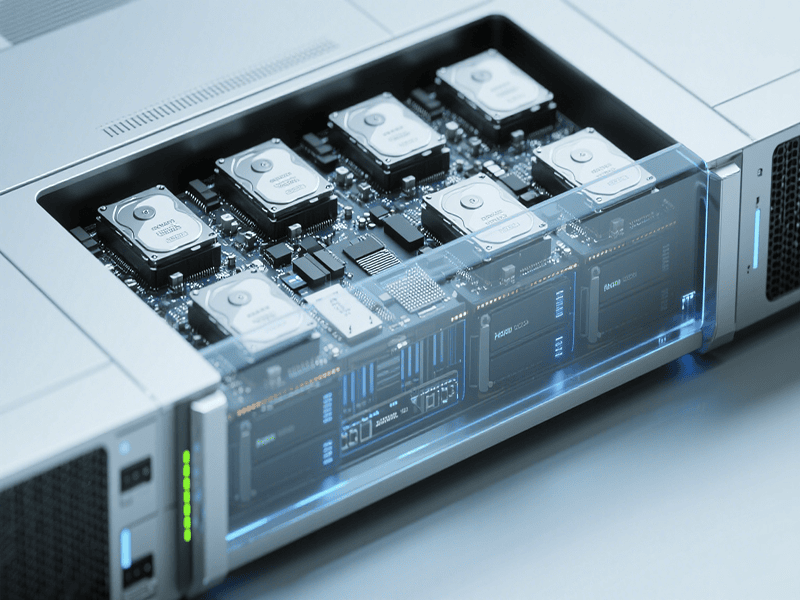
SSDs and accelerator cards generate localized heat during intensive data processing. Effective thermal materials help manage heat buildup and support consistent system performance.
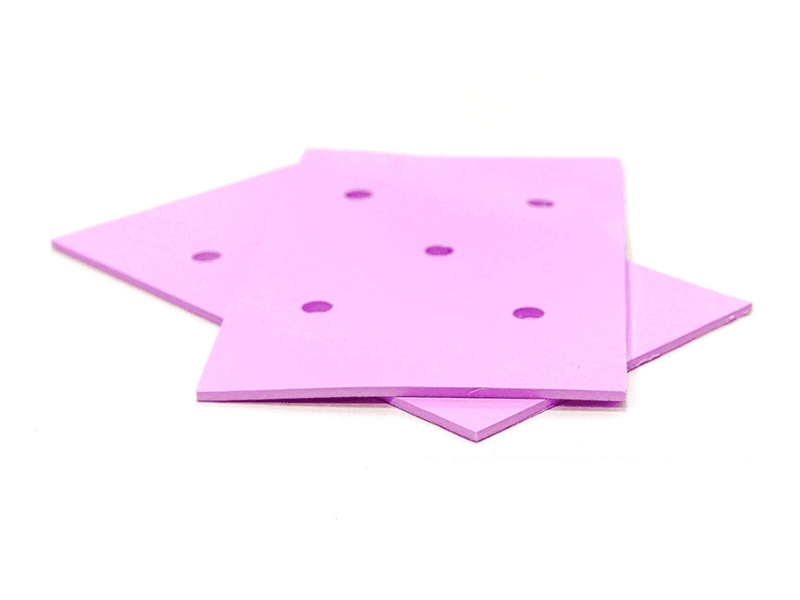
| Property | Value |
|---|---|
| Thermal Conductivity | 1.5 – 8.0 W/m·K |
| Dielectric Breakdown Voltage | > 6.0 – 10.0 kV/mm |
| Hardness & Deflection | 0.5–5 mm |
| Shore 00 20 – 50 (High Compressibility) | -50°C to +200°C | UL 94 V-0 |
| Ideal EV Applications | OBC, DC-DC, High-Voltage PDU, Battery Packs |
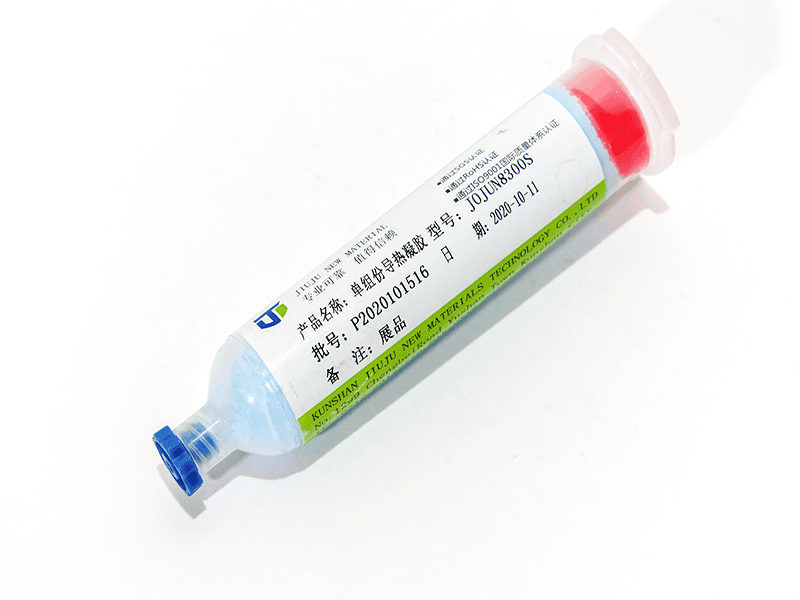
| Property | Value |
|---|---|
| Thermal Conductivity | 2.0 – 6.5 W/m·K |
| Dispensing Flow Rate | High Thixotropic / >40 g/min |
| Outgassing (Siloxane) | Ultra-low Outgassing / Non-Silicone Available |
| Operating Temp & Reliability | -50°C to +180°C | Anti-Slumping |
| Ideal EV Applications | ADAS Cameras, LiDAR, ECUs, Sensor Modules |
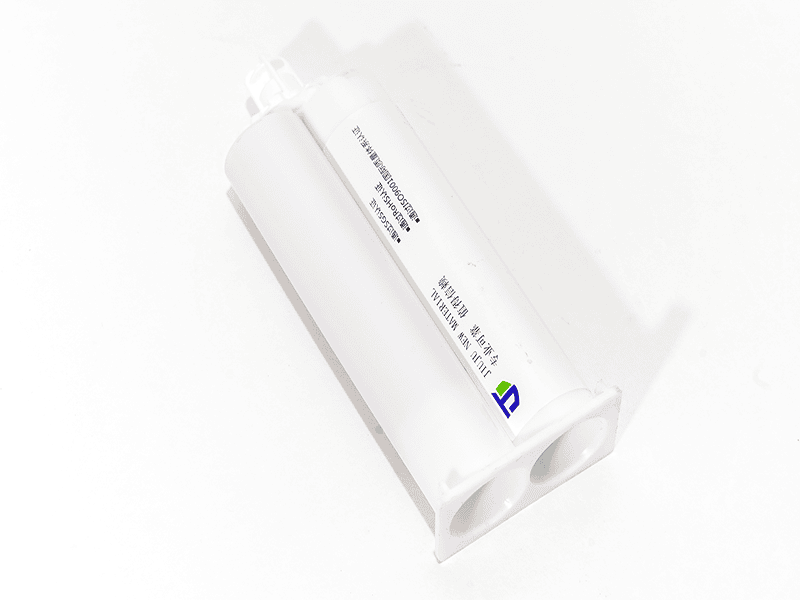
| Property | Value |
|---|---|
| Thermal Conductivity | 3.0 – 6.5 W/m·K |
| Thermal Impedance & BLT | < 0.04 °C·in²/W | Min BLT ~15 µm |
| Dielectric Breakdown Voltage | > 4.0 – 8.0 kV/mm |
| Operating Temp & Reliability | -50°C to +180°C | Anti-Pump-Out (>1,000 hrs) |
| Ideal EV Applications | SiC/IGBT Power Inverters, MCU Chipsets, Fast Chargers |
More in line with the academic scenarios



High Thermal Efficiency: Supports effective cooling for CPUs, GPUs, and high-density server architectures.
Built for 24/7 Operation: Materials maintain performance under continuous high thermal load.
Production-Proven: Trusted in high-volume server manufacturing and data center deployments.
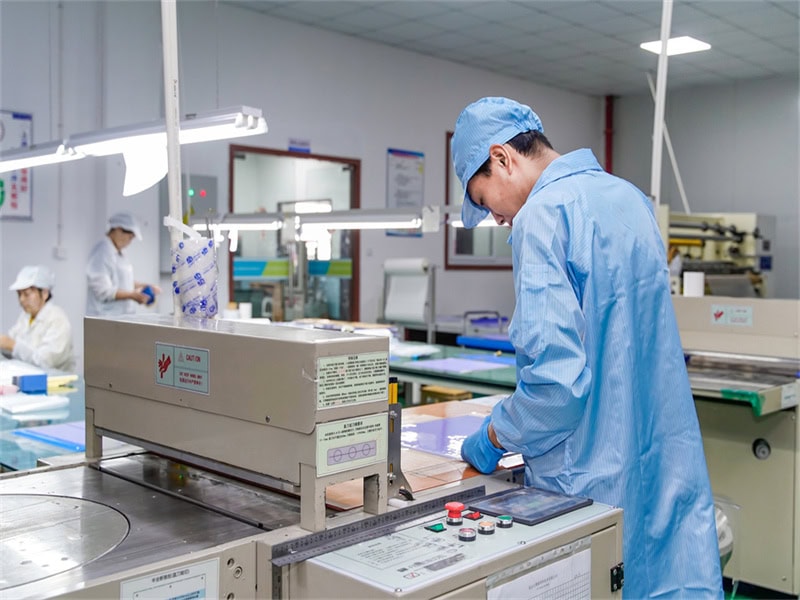

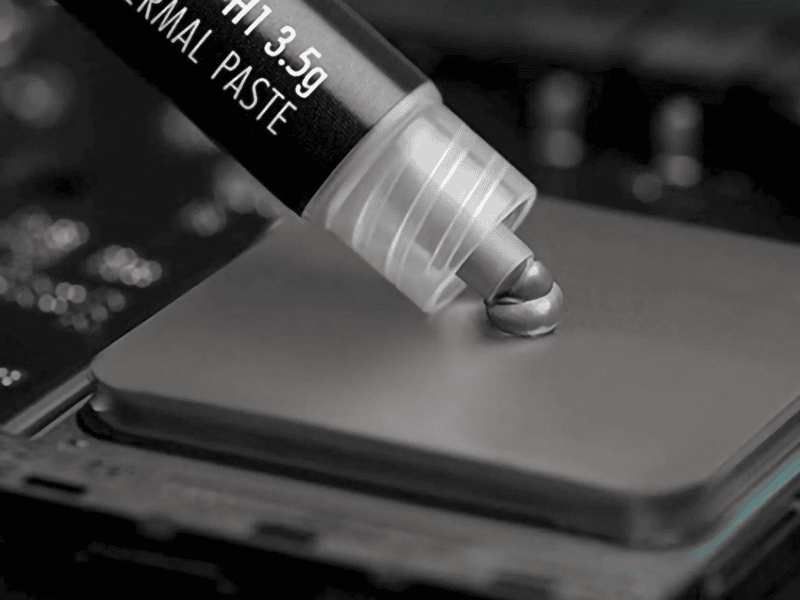
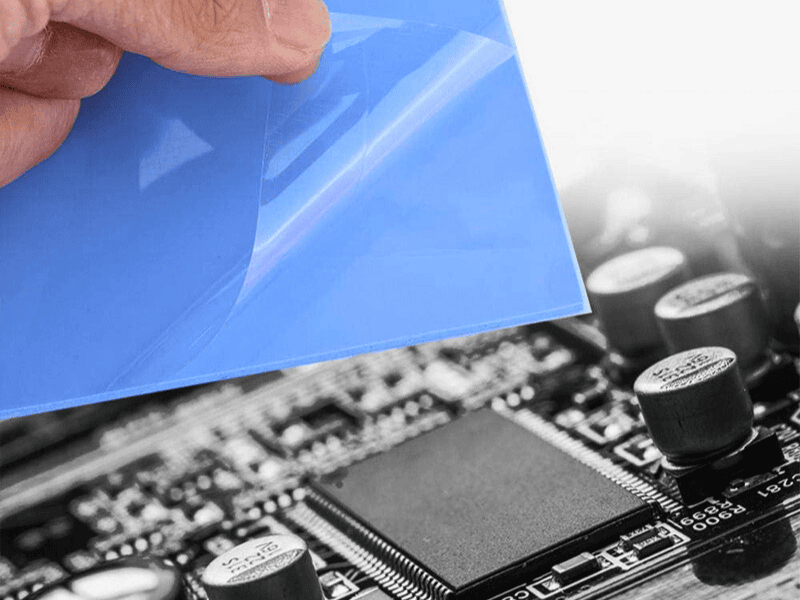
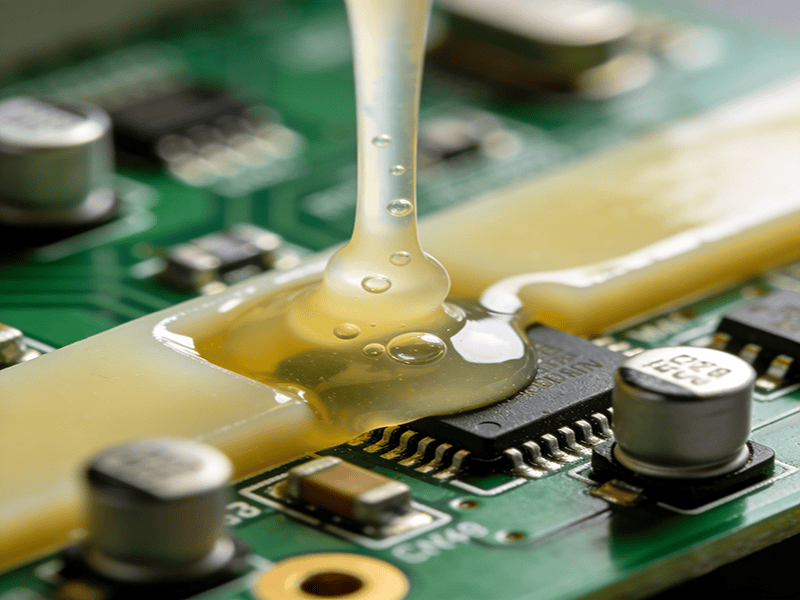
For cleaner installation, reliable electrical insulation, and consistent long-term performance without drying or pumping out.
It depends on your component gap and heatsink pressure. Softer pads suit uneven surfaces; firmer ones work under high pressure.
Yes. They’re made to resist drying, oil bleeding, and degradation—even under continuous thermal cycling.
By keeping cell temperatures uniform and below critical thresholds, thermal pads reduce degradation rates, prevent thermal runaway, and can extend cycle life by up to 25 %, all while enhancing overall pack reliability.