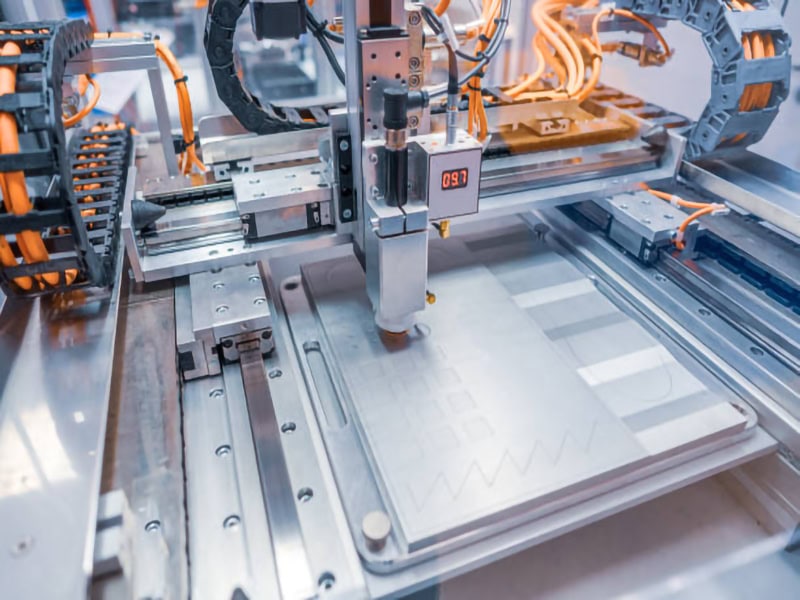
Prismatic EV Battery Module
Thermal pad enhances cooling, safety, and lifespan of prismatic battery modules.

Heat Accumulation: Battery modules generate significant heat during charge and discharge cycles.
Temperature Uniformity: Uneven temperatures reduce battery efficiency and lifespan.
Safety Risks: Inadequate thermal management increases the risk of thermal runaway.
Thermal pad enhances cooling, safety, and lifespan of prismatic battery modules.

Polymer pad reduces hotspots and improves heat transfer in cylindrical battery packs.
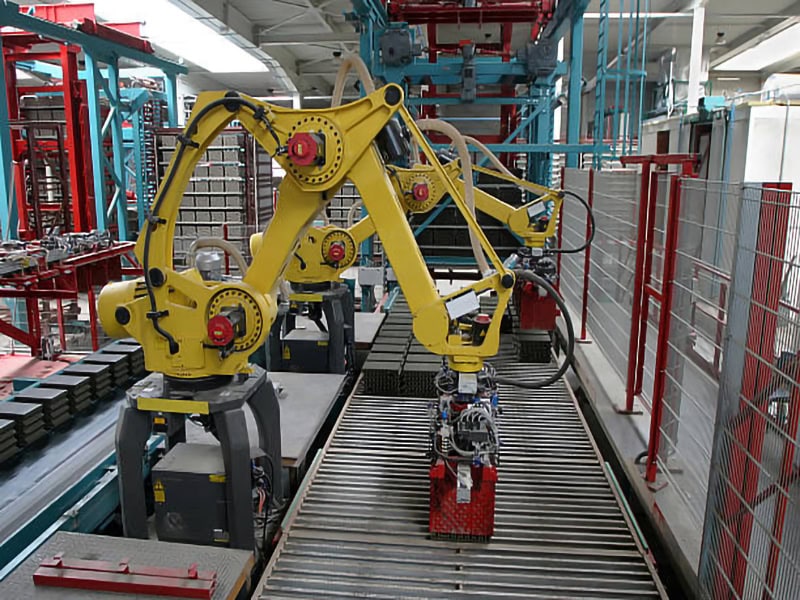
Soft thermal interface ensures efficient, stable cooling for pouch-cell battery designs.
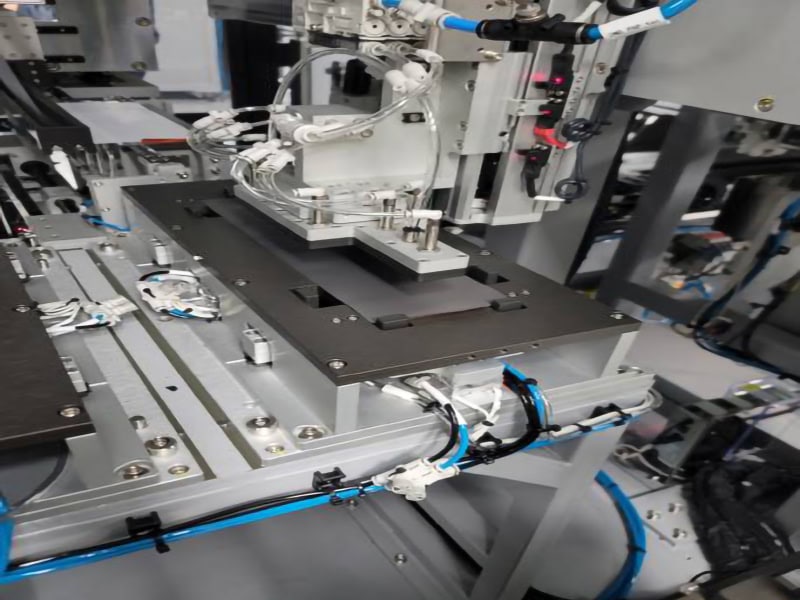
High-k thermal pad supports safe, efficient heat dissipation in solid-state batteries.

Improve ESS cooling and system performance with reliable thermal interface pads.

| Property | Value |
|---|---|
| Thermal Conductivity | 1.5 – 8.0 W/m·K |
| Dielectric Breakdown Voltage | > 6.0 – 10.0 kV/mm |
| Hardness & Deflection | 0.5–5 mm |
| Shore 00 20 – 50 (High Compressibility) | -50°C to +200°C | UL 94 V-0 |
| Ideal EV Applications | OBC, DC-DC, High-Voltage PDU, Battery Packs |
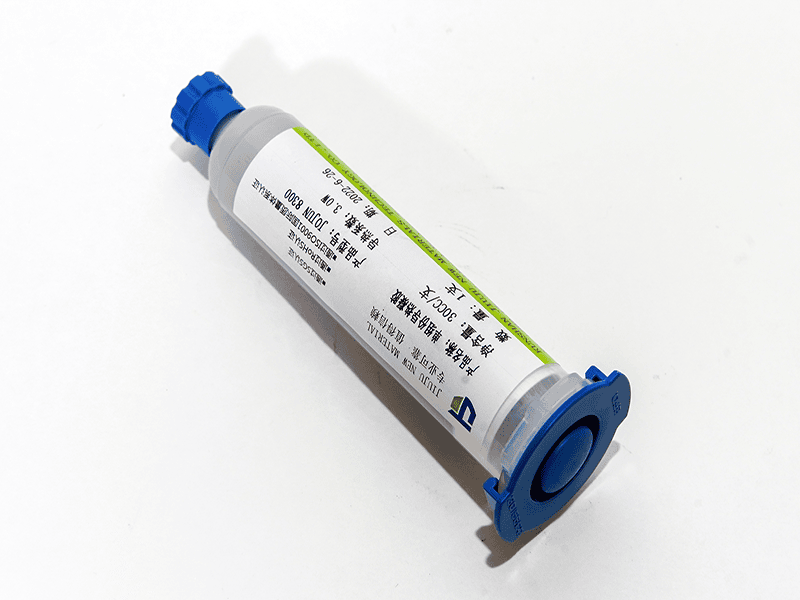
| Property | Value |
|---|---|
| Thermal Conductivity | 2.0 – 6.5 W/m·K |
| Dispensing Flow Rate | High Thixotropic / >40 g/min |
| Outgassing (Siloxane) | Ultra-low Outgassing / Non-Silicone Available |
| Operating Temp & Reliability | -50°C to +180°C | Anti-Slumping |
| Ideal EV Applications | ADAS Cameras, LiDAR, ECUs, Sensor Modules |
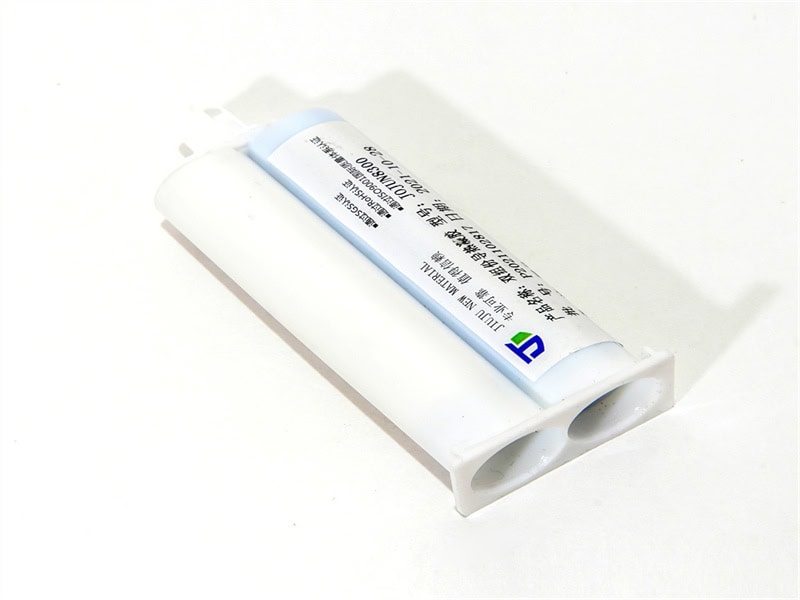
| Property | Value |
|---|---|
| Thermal Conductivity | 3.0 – 6.5 W/m·K |
| Thermal Impedance & BLT | < 0.04 °C·in²/W | Min BLT ~15 µm |
| Dielectric Breakdown Voltage | > 4.0 – 8.0 kV/mm |
| Operating Temp & Reliability | -50°C to +180°C | Anti-Pump-Out (>1,000 hrs) |
| Ideal EV Applications | SiC/IGBT Power Inverters, MCU Chipsets, Fast Chargers |
More in line with the academic scenarios



High Thermal Efficiency: Supports effective cooling for CPUs, GPUs, and high-density server architectures.
Built for 24/7 Operation: Materials maintain performance under continuous high thermal load.
Production-Proven: Trusted in high-volume server manufacturing and data center deployments.
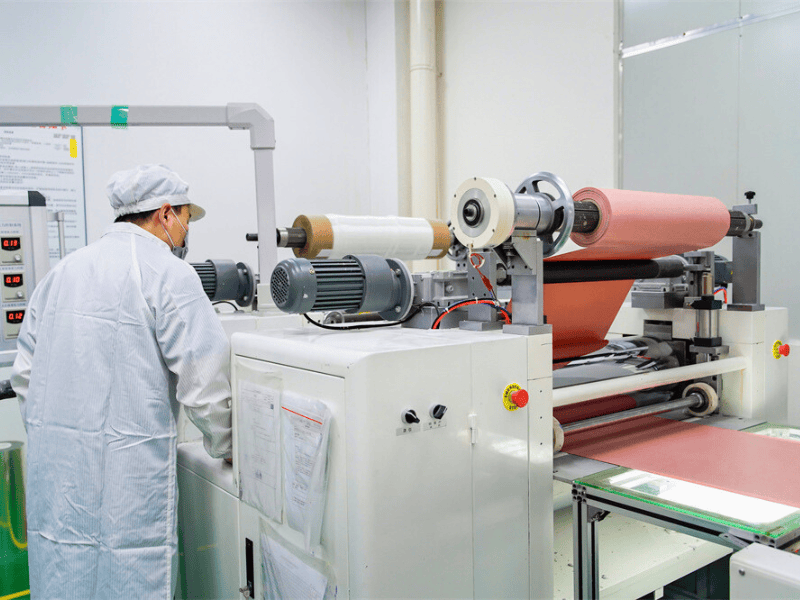

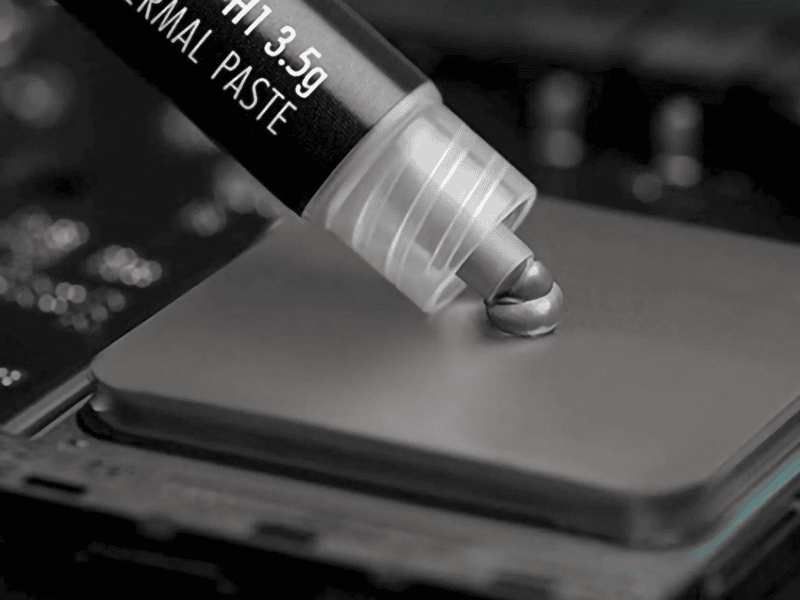
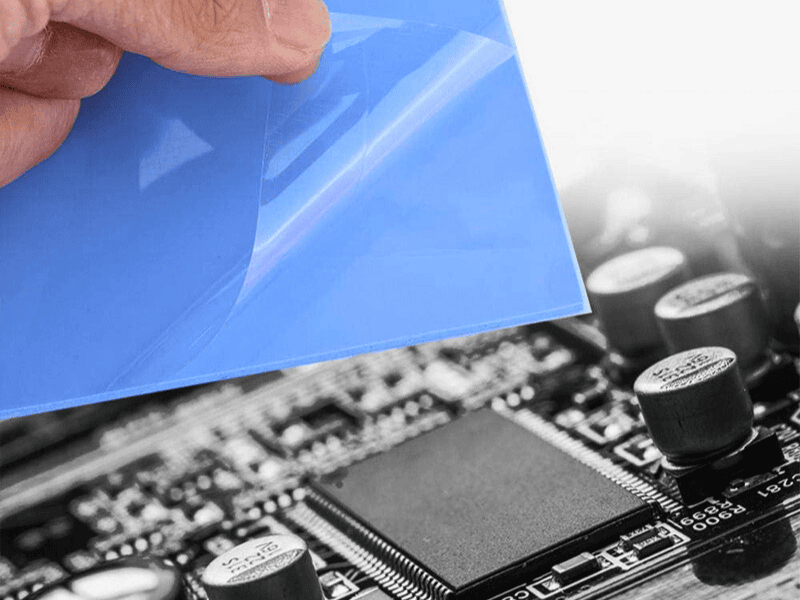
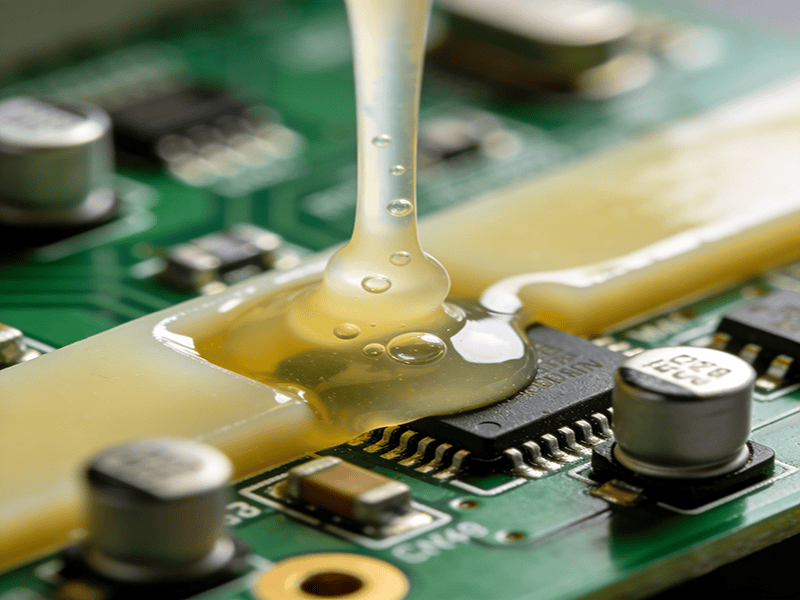
Thermal interface materials (TIMs) are engineered materials placed between components such as battery cells and cooling plates to improve heat transfer and reduce interface resistance. They fill microscopic air gaps and help maintain optimal operating temperatures in EV battery packs and power electronics. Different TIM types include pads, gels, pastes, adhesives, and phase change materials, each suited for specific battery thermal management and cooling needs.
Common thermal interface materials for ESS include thermal pads, thermal gels, and thermal pastes, each used in different areas such as battery modules, cooling plates, and power electronics depending on gap size, heat load, and assembly requirements.
High-quality thermal materials improve heat transfer efficiency and temperature consistency across cells, reducing hot spots that can accelerate aging or increase the risk of thermal runaway in energy storage batteries.
When selecting thermal interface materials for ESS, key factors include thermal conductivity, operating temperature range, long-term stability, electrical insulation, and compatibility with high-volume manufacturing and system integration.