

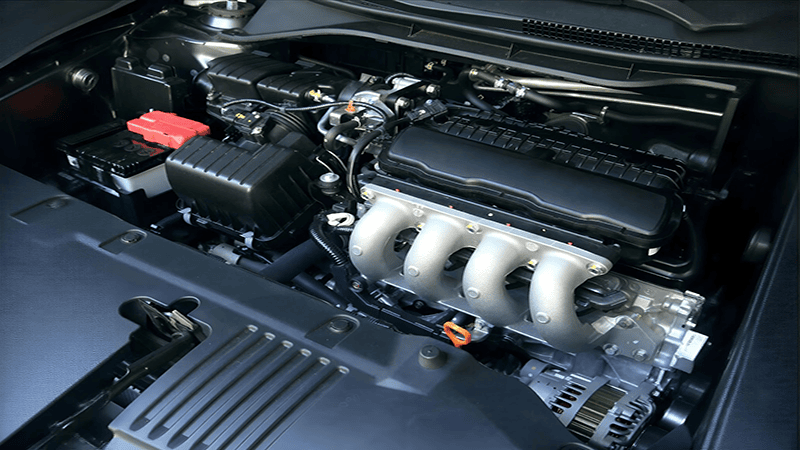
Have you opened the bonnet of your car and felt totally lost among a maze of tubes, wires, and components? Worry not; you are not alone! Most of us know little about the complex machinery of a car.
It might not seem like a big problem. But it is important to have an idea of a car’s basic mechanism
The car radiator is a crucial component of a car’s engine cooling system. Without it, a car’s engine would overheat.
If you want to understand more about the car radiator this article is for you. So let’s dive into the fundamentals of a car radiator, how it works, and much more.
What is a Car Radiator?
A car radiator is a heat exchanger that cools down the engine. It is a crucial component of a vehicle’s cooling system that collects heat from the engine to prevent it from overheating.
The car’s engine is where combustion takes place in a car. Combustion carried out in the engine leads to a rise in the temperature as long as the engine is in use.
If a car is driven for a long period the engine’s temperature will become high. An efficient cooling system is important to keep the engine’s temperature controlled.
That’s where the car radiator comes into play. It is a component that transfers the heat from the car engine to the outside air.
There is water present in the radiator which serves as the coolant. It runs through channels installed around the car engine.
The coolant absorbs the heat present in the car’s engine and transports it back to the radiator. The coolant then returns to the radiator, and its absorbed heat is dissipated into the air outside.
The Main Parts of a Radiator

Some key parts make up the car radiator. Each component plays a key role in the cooling process of the engine. They include:
- Core: The core is the largest section of the radiator. It is made of thin metal fins and tubes that help to transport heat from the coolant to the outside air. This is the part where the hot coolant releases heat and gets cooled again to continue the process.
- Inlet and outlet tanks: The tanks are located at the top and bottom of the radiator. Their main function is to hold the coolant. They contain the connections for the coolant to move in and out of the radiator.
- Pressure cap: The pressure cap is located on the top of the radiator. It is responsible for sealing the cooling system to maintain a certain pressure level. The boiling point of the coolant in the radiator is raised to prevent it from boiling over.
- Thermostat: The thermostat is a valve located between the radiator and the engine. It is responsible for regulating the flow of the coolant. It only opens to allow coolant flow when the engine reaches a certain temperature
- Radiator hoses: Radiator hoses are the channels through which coolant moves to and from the car engine. They are necessary to connect the radiator and engine to the outlet and inlet.
- Fans: Fans are mounted to help pull air through the radiator core of the vehicle. It is responsible for cooling the coolant effectively. They are also responsible for dissipating heat from the coolant.
How does a Car Radiator Work?
A Car’s engine provides energy for movement through the burning of fuel. The movement and burning of fuel generate a high amount of heat in the engine.
It is important to discharge this heat created from the engine to prevent overheating or damage. A radiator is designed to remove excess heat from the engine.
Once the engine needs to be cooled the thermostat opens up. This allows the coolant to travel from the radiator to the engine.
The coolant absorbs the excess heat and moves back to the radiator. Once it gets to the radiator, a network of thin metal fins releases the coolant’s heat to the outside air.
When the car is in motion cool air flows through the car’s grille. When the car isn’t moving the fan blows air to reduce the heat of the coolant.
Additionally, the fan draws cool air over the radiator fins. This improves the heat exchange process.
Once the heated coolant cools down, it moves back to the engine again to absorb the generated heat. This continuous cycle is crucial to maintain an ideal operating temperature.
Signs of a Failing Radiator
Over time, various parts of the cooling system can begin to fail. This is due to its constant usage. Here are a few signs that a car radiator is faulty:
- Excessive vibration of the radiator due to loose or worn-out mounting.
- Overheating engine.
- Coolant leakage.
- During operation, the car pulls to one side all the time.
- Irregular wear of the car tires.
Maintenance of a Radiator
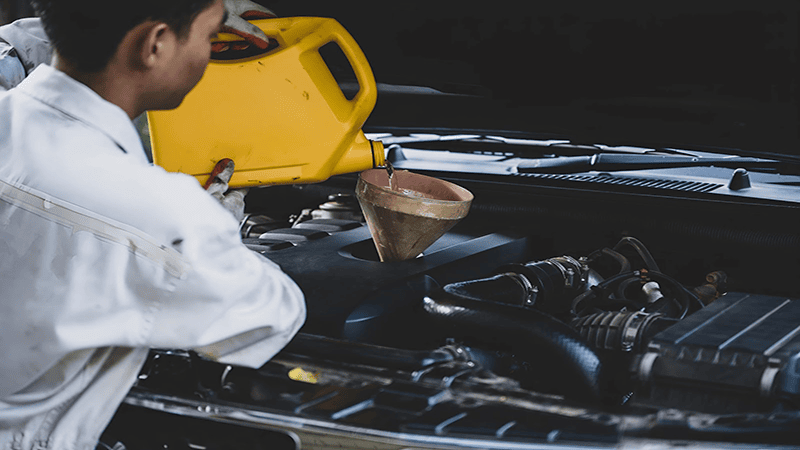
Regular maintenance is recommended to maximize the lifespan of a radiator. Here are some tips for maintaining a car radiator:
- Inspect connections and clamps: visually check radiator gaskets, welds, and hoses for any sign of leakage. Immediately replace worn-out parts to prevent catastrophic failure. In addition, old gaskets and hoses should be replaced.
- Check fins: carefully, clean dirt, bugs, and debris from the fins on the backside of the radiator core. This is crucial to ensure the radiator’s optimal performance. Avoid damaging or bending the fins during cleaning. For ease, you can use compressed air and brush attachment to remove tough dirt.
- Ensure the radiator is tightly closed: you have to ensure that the radiator is properly closed. That way you will be sure that there won’t be leakage during operation.
- Inspect the fan operation: Turn on your car and allow it to run at idle. Monitor the temperature gauge. The cooling fan should turn on once the engine’s temperature reaches 210 to 220°F. This inspection ensures the fan can draw enough air through the radiator core. If fault is detected make sure you replace the damaged component immediately.
Importance of a Radiator

A radiator is vital to the overall state of a vehicle. There are various reasons why a healthy radiator is so important and why it has so much impact on a vehicle’s performance:
Prevention of Damage to the Engine
Suppose your car engine gets very hot. It can severely damage your car. The metal parts can crack causing the engine to lose its effectiveness.
A functioning radiator helps to keep the engine in check. It serves as a protection shield by regulating the engine’s temperature.
Fuel Efficiency impact
The radiator doesn’t just perform cooling operations. It plays a key role in fuel consumption.
A functional radiator ensures optimal cooling efficiency. Which means that the car’s engine works at the ideal temperature. This, in turn, helps to enhance the fuel consumption.
Passenger Safety
Overheating is dangerous for passengers. It can cause severe damage to the car’s engine which includes damaged gaskets and cracked engine blocks. A car radiator helps to avoid these dangerous events and ultimately protects you.
Car’s Life Extension
Keeping your car’s engine cool can significantly extend its life. By maintaining a safe and consistent temperature, your radiator can help keep your car running for a long time.
Where to Get the Best Car Radiator?
As a business owner when considering buying radiators. You want to ensure that you are buying the best quality. We perfectly understand you.
At JiuJu, we offer high-quality radiators at an affordable price. Every product you get from us is durable and highly efficient.
Additionally, we offer technical expertise and support. We also provide in-depth guidance in the selection of the right radiator models for your business. Visit our website to get an instant quote now.
Conclusion

In conclusion, a car radiator plays a critical role in regulating the engine temperature. This helps to prevent catastrophic overheating.
It is a fundamental part of the car’s cooling system. By dissipation of heat, the radiator can ensure continuous operation.
Understanding how radiators work allows you to ensure your radiators are applied properly. Knowledge of the importance of radiators and how to maintain them is advantageous for business owners.
This helps to ensure the longevity of your product by avoiding breakdowns. Checking for leaks, inspecting coolant levels, and ensuring adequate airflow to the car radiator are simple tasks you should prioritize.
Proactive maintenance keeps you one step ahead of damage. At JiuJu, we offer advanced car radiators. These car radiators are designed to improve engine performance and ensure optimal heat dissipation.
With over 20 years of experience, JiuJu offers expert product selections and innovative solutions backed by R&D expertise, top certification, and high-end manufacturing experience.
When you partner with us for high-performance radiators, you can be confident that your company is in capable hands. Visit our website today to learn how our solutions can help you take your business to the next level.
FAQs
1. How Often Should I Flush Or Replace My Radiator Coolant?
Depending on your car, check the manual first. For maintenance purposes, it’s generally recommended to flush the radiator every 30,000 miles or 2 years (whichever comes first) to keep the engine running smoothly. Modern coolants with advanced formulas may extend this interval to 5 years or 100,000 miles .
2. What Common Causes of Engine Overheating Can Be Related To The Radiator?
If your engine overheats due to radiator-related issues, potential problems include:
- A faulty thermostat that fails to regulate coolant flow.
- A malfunctioning water pump that can’t circulate coolant effectively.
- A leaking or clogged radiator restricting heat dissipation.
- A non-functional or blocked cooling fan.
- Worn-out hoses that affect system integrity.
3. What Maintenance Should I Do Regularly To Keep My Radiator Running Properly?
- Inspect hose connections, welds, and clamps closely for any signs of leaks—regular checks help prevent major issues.
- Clean clogged radiator fins gently to avoid bending them, as damaged fins reduce heat transfer efficiency.
- Check the radiator cap to ensure it maintains proper system pressure and isn’t worn out.