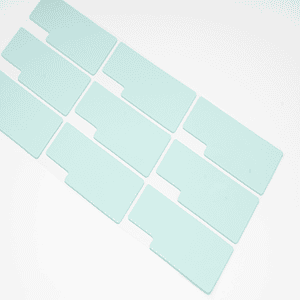
Ultra-High Thermal Conductivity
Delivers superior heat spreading across devices, ensuring stable operation and extended component lifespan.


Ultra-thin, lightweight, and highly conductive graphite sheets designed for next-generation thermal management in smartphones, displays, and automotive electronics.
Delivers superior heat spreading across devices, ensuring stable operation and extended component lifespan.

Thin and bendable graphite sheets provide excellent thermal performance without adding weight or bulk.
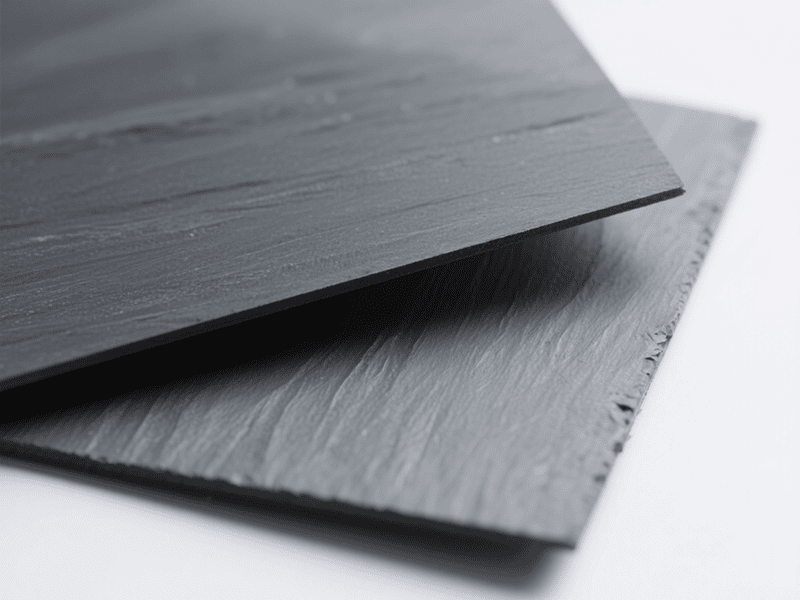
Ideal for smartphones, tablets, LED displays, automotive electronics, and other compact high-power devices.
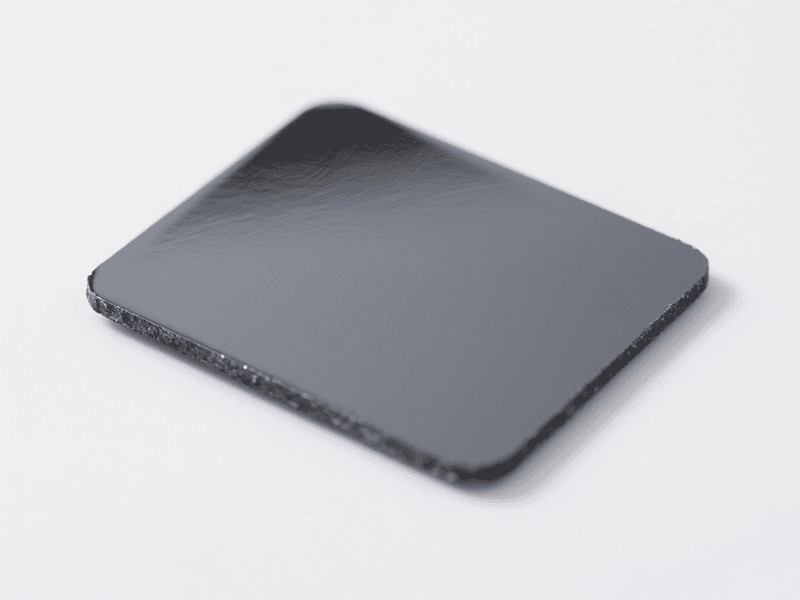
Performs reliably under wide temperature ranges, maintaining conductivity and mechanical strength.
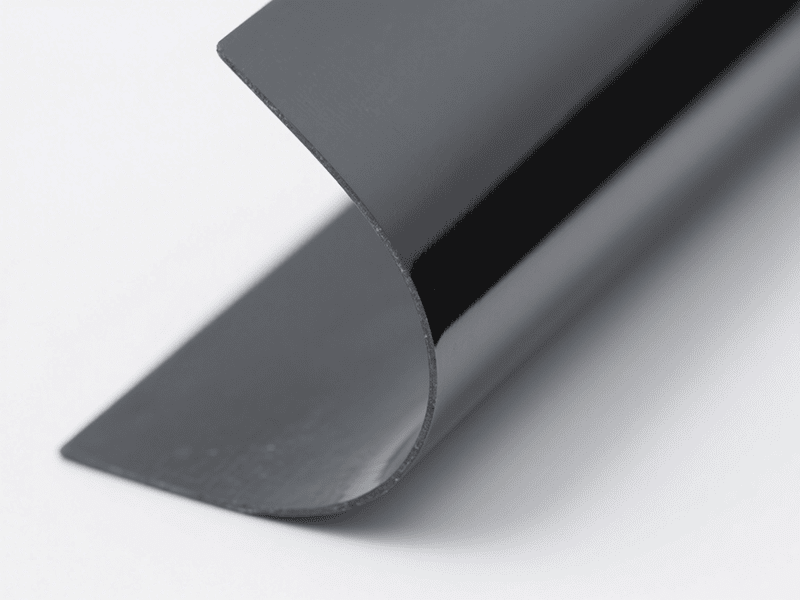
Available in different thicknesses, shapes, and specifications to meet specific design requirements.

Silicone-free thermal pad with high thermal conductivity and ultra-soft flexibility. Provides clean, reliable heat transfer and electrical insulation—ideal as a thermal paste alternative.
Outstanding thermal conductive materials address your issues.
We produce adhesives and thermally conductive materials for industries like automotive, new energy, electronics, medical, and aerospace.
As a national high-tech enterprise, all products come with a 5-year warranty
ISO9001, ISO4001, UL, and IATF6949 certified
Service-oriented manufacturing company, quickly responding to customer needs
we show our products and technologies to the world, and at the same time provide a convenient channel for our customers to understand and purchase our products.


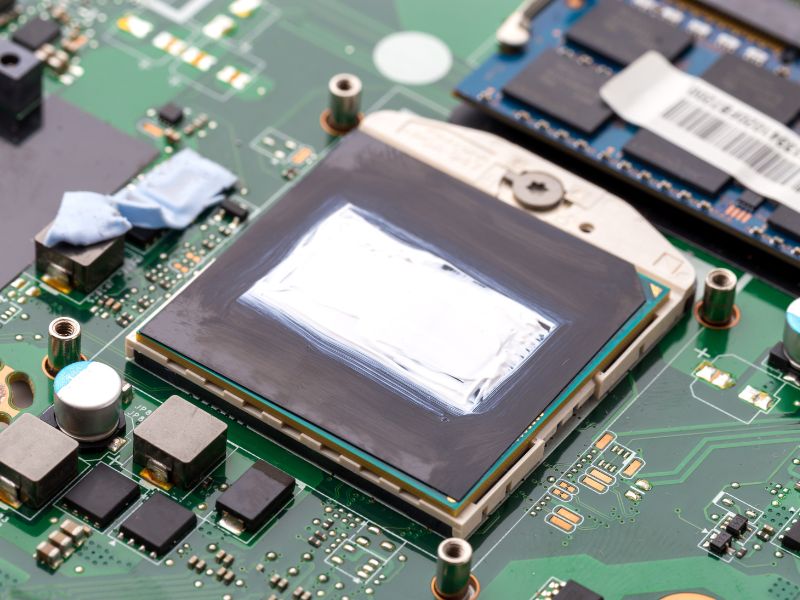

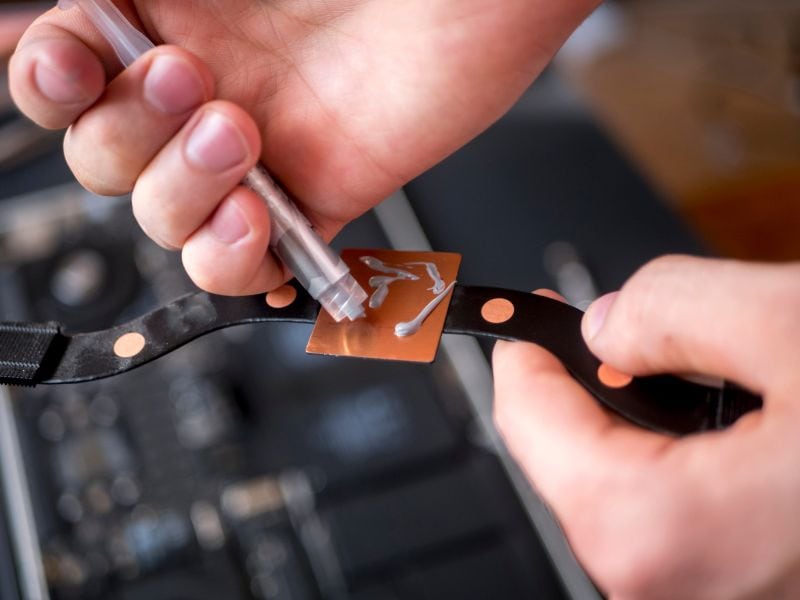
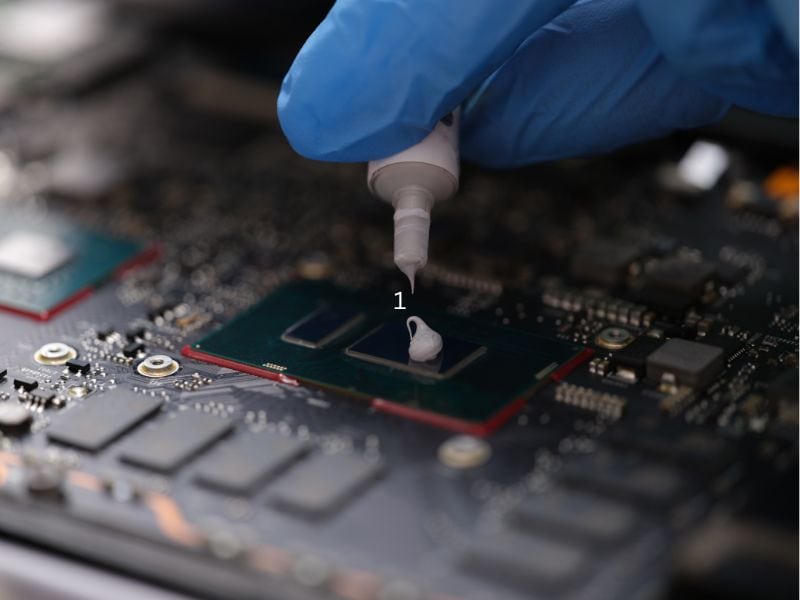
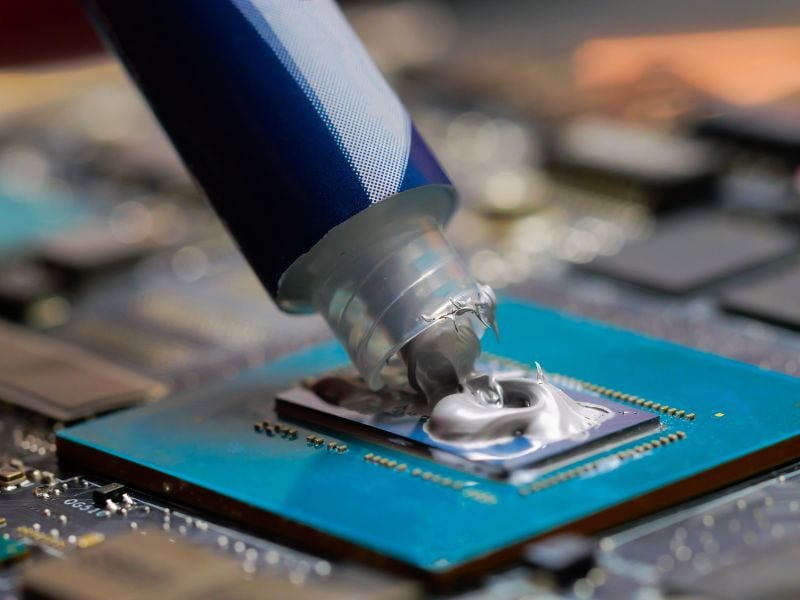


Our thermal pads are developed using advanced polymer thermal material modification technology, enabling higher thermal conductivity, improved mechanical resilience, and tailored performance for demanding energy storage and EV applications.
Proprietary polymer modification technology — enhances inherent thermal conductivity while maintaining softness and processability.
Tailored Performance — adjust hardness, elasticity, and conductivity for different ESS and EV use cases.
Durability & Stability — polymer-engineered pads resist thermal cycling, vibration, and aging.

Discover what our clients have to say


Ensure surfaces are clean and oil-free, peel off both protective films, apply firm, even pressure during installation, and avoid over-compression to maintain optimal performance.
Thermal pads offer mess-free application, consistent thickness, and reliable electrical insulation, making them ideal for uneven surfaces or gap-filling, while paste excels in microscopic imperfections for maximum conductivity.
Match thickness to your component gap (measured in mm), and choose conductivity (6-15 W/mK for gaming/OC) based on heat load – higher TDP chips require ≥8 W/mK for efficient heat dissipation.
Standard silicone-based pads are non-conductive and electrically insulating, but metal-filled (e.g., some high-end graphene) or carbon-based pads may pose risks – always verify the pad’s dielectric strength specification for sensitive circuits.