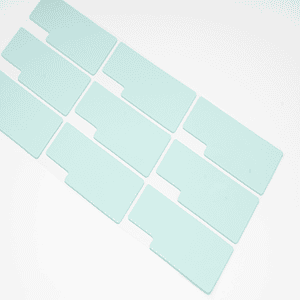
Adhesives are special substances. People use them to join things together. They are used for bonding materials. These materials can be very different. You can glue metal to metal. You can bond plastics to wood. You can glue many materials this way. The goal is to create a strong bond.
What are Adhesives?
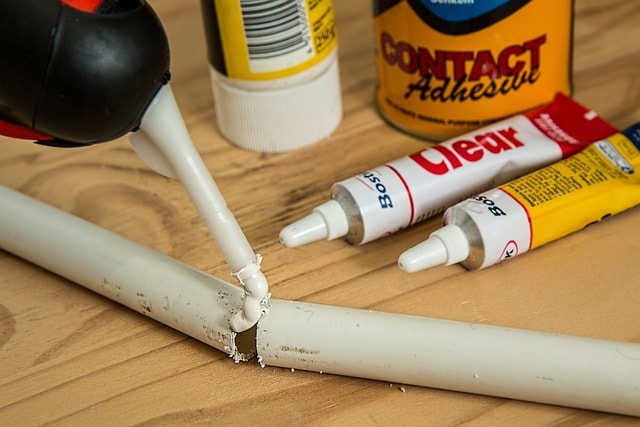
Adhesives are glue. Glue is a simple type of adhesive. An adhesive makes two surfaces stick. It creates a connection between them. This connection is called a bond. The process is called adhesion. It holds things firmly in place. Adhesives come in many forms. Some are liquid. Some are pastes. Some are films.
There are different ways to join materials. Screws or nails are mechanical fasteners. Welding uses heat. Adhesives offer many benefits. They often provide high strength. The adhesion can be very strong. They can also be flexible. This is useful in some jobs. They can resist moisture. Some are completely waterproof. They can resist impact. If something hits the joined part, the bond holds.
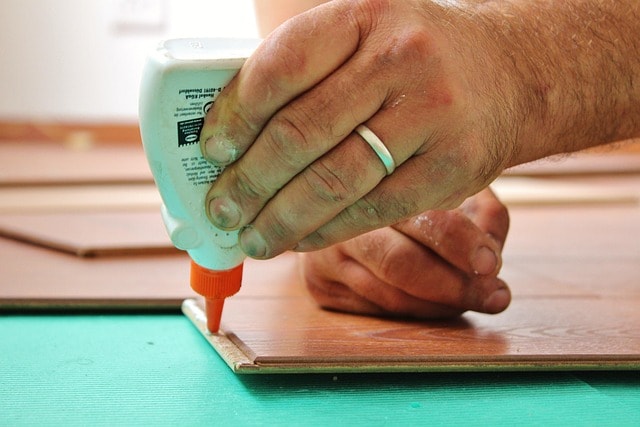
Glue bonds floors or walls. Furniture makers use adhesives. They glue wood parts together. Manufacturing uses adhesives widely. They are used in cars. They are used in electronics. They are used in medical devices.
Types of Adhesives
Adhesives are not all the same. They work in different ways. Knowing the types helps you choose.
Polyurethane Hot Melt Adhesives
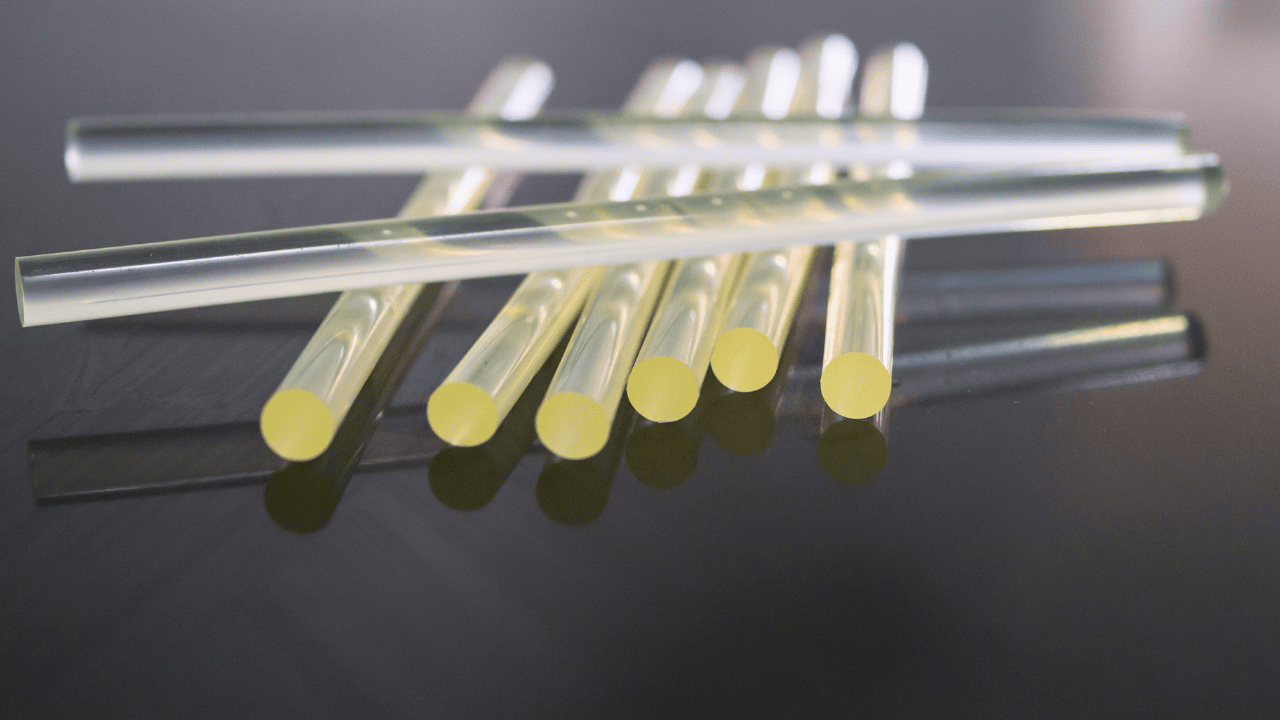
Polyurethane hot melt adhesives are a popular choice. They start like regular hot melt. They are applied hot. They cool fast to give initial strength. But they have an extra step. They react with ambient moisture in the air. This reaction is a final cure. It gives better performance. Moreover, it often provides more flexibility. It also gives better water resistance.
Other Options in Structural Adhesives
Structural adhesives are very strong. They are designed for tough jobs. They provide very high strength. They can carry heavy loads. They resist stress well. They resist pressure. They are used where the bond must be very reliable. Cars use them in their frames. Airplanes use them. They join metal parts.
Quick Bonds with Super Glue
Super glue is known for speed. It is also called cyanoacrylate. It dries very, very fast. Moreover, it bonds plastics quickly. It bonds metals fast. It cures many other materials too. It works by reacting with tiny amounts of moisture on the surfaces. You usually use just a small drop. It often comes in a small tube. The tube has a small tip for applying the glue.
Solvent-Free waterproof glue Adhesives
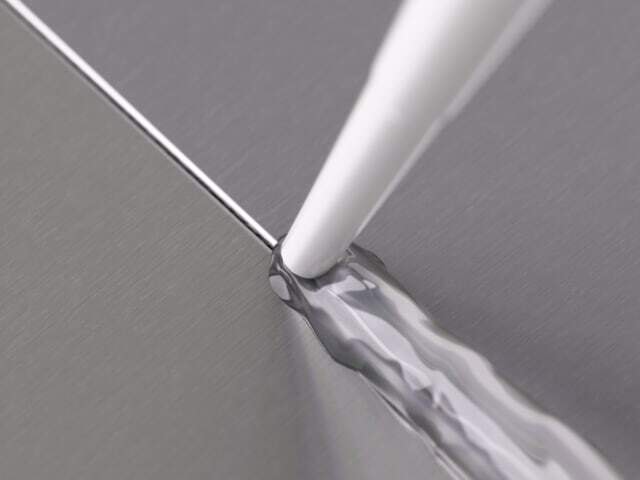
Some adhesives contain solvents. Solvents can have strong smells. They can release fumes. Solvent-free adhesives do not have solvents. They are made with different ingredients. This makes them safer to use. They release fewer harmful fumes.
Benefits of Using Solvent Free Adhesives
Choosing solvent-free adhesives has many advantages. They are a good option for many projects.
| Feature | Solvent-Free Adhesives |
| Health & Air Quality | Less toxicity; fewer VOCs (volatile organic compounds) released; cleaner indoor air; better for health. |
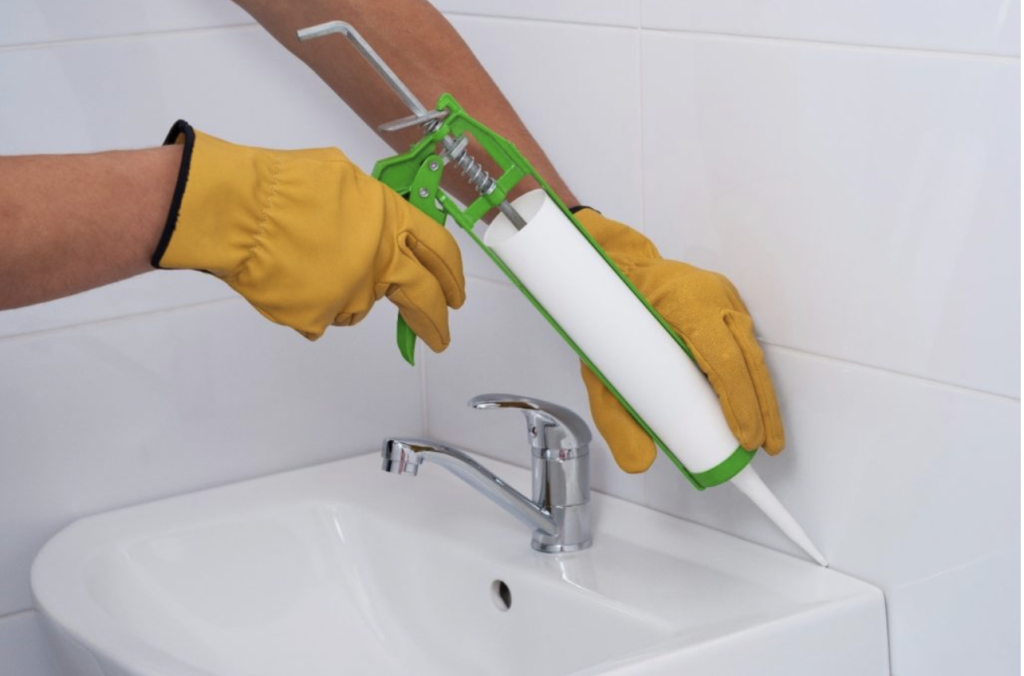
| Application | Often less odor; can be applied with standard tools (e.g., tube, cartridge with caulk gun). |
| Cleanup | Can be easier, some water-based types clean with water. |
| Material Bonding | Bonds plastics, glass, metals, wood, ceramics well; versatile; safe for bonding dissimilar materials. |
| Safety Priority | A popular choice where safety is a high priority. |
Better for Health and Air
Solvent-free adhesives have less toxicity. This means they are less harmful to people. They do not release many VOCs. VOCs are volatile organic compounds. They are chemicals that go into the air. They can be bad to breathe. Solvent-free glues make the air cleaner. This is important when working indoors. It is better for your health.
Solvent-free adhesives can be easier to use. They often have less odor. They can be applied with standard tools. A tube or a cartridge with a caulk gun works for some. Cleanup can also be easier. Some water-based types clean up with just water.
Bonding Materials Safely
You can use solvent-free adhesives on many materials. They bond plastics and glass well. They work on metals. They are good for wood. They can also bond glass or ceramics. They are versatile. Using them lets you bond different materials together safely. They are a popular choice for applications where safety is a high priority.
Water Resistant Glue Bonding
Sometimes a bond needs to resist water. Water can weaken many glues. Water resistant bonding is very important in these cases.
Water can damage bonds. It can cause materials like wood to swell. It can cause other materials to break down. If a bonded item gets wet often, the bond must hold. You need an adhesive that can handle moisture. You need one that can handle water.
Adhesives That Resist Water
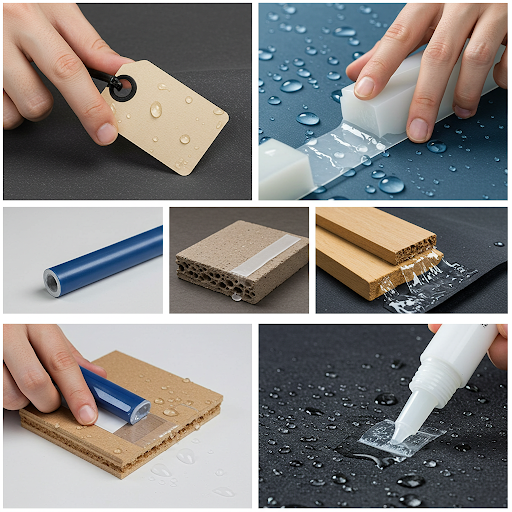
Certain adhesives are made to resist water. Polyurethane hot melt adhesives are good at this. Structural adhesives are also often water resistant. These adhesives have special properties. Their chemical structure resists water. Their cure process makes them strong even when wet.
Many applications need water resistance. Marine uses are a key example. Boats are always around water. Adhesives in boats must be waterproof glue. Outdoor furniture like wood gets rained on. It needs bonds that resist water and humidity.
Not all “water resistant” means the same thing. Some glues handle splashes. Others can be submerged in water. Standards exist to define levels. Look for descriptions like water resistant or waterproof glue. For tough jobs, check if the adhesive meets industry tests. These tests show how well the bond holds up to moisture and water over days of exposure.
Choosing the Right Adhesive
Picking the right adhesive is very important. It makes sure your adhesion will work. It needs careful thought.
Understanding Material Needs
The type of materials matters a lot. Some materials are porous, like wood. Others are non-porous, like metal or glass. Some surfaces are smooth. Some are rough. Adhesives stick differently to different surfaces. You need an adhesive made for the materials you use. For example, some glues cure plastics very well. Others bond metal or ceramics best. Surface preparation is key. Surfaces must be clean. Remove dirt and dust. This helps the adhesive get good adhesion.
Environmental Demands on Adhesives
Where will the bonded item be? Will it be hot or cold? Will glue be in humid air or wet? Will it see sunlight (UV rays)? These environmental factors affect the adhesive. Some adhesives fail in high heat. Others get brittle in the cold. Ambient moisture can affect cure time for some glues. The environment puts stress on the bond. Find an adhesive that can handle the conditions.
Strength, Flexibility, and Impact
How strong does the bond need to be? Will it hold weight? Will it face pressure or pull? Will it need impact resistance? High strength adhesives like structural ones are for heavy loads. Some bonds need to be flexible. This is important if the materials will move or bend. Other bonds can be brittle. Super glue is often brittle.
Don’t guess when choosing. Research different types. Look at hot melt adhesives. Study structural adhesives. Read about super glue options. Read reviews from other customers. They share their experience. Look at product data sheets. These give technical details. Talk to people who know about adhesives. Experts can give good advice. Find resources like videos or images showing the adhesive in use.
Price and Application
Think about practical things too. What is the price of the adhesive? Can you easily buy it? Is it locally available? Or do you need to buy online and add to a cart? How easy is it to apply? Does it come in a simple tube? Or does it need cartridges and a special tool like a hot melt gun? Think about the time needed for the adhesive to cure or dry. Consider cleanup. All these things affect the work. Find the options that fit your project best.
Application and Usage of Hot Melt
Hot melt adhesives need specific steps to use them right. The process is usually fast.
Preparing Surfaces
Just like with any adhesive, clean surfaces are important. The surfaces should be free from dirt, dust, oil, or grease. This allows the melted adhesive to make good contact. Good contact means good adhesion. Prepare your surfaces before you start heating the glue. Consider the final design and how the adhesive will fit.
Once the hot, liquid adhesive is between the surfaces, it starts to cool. Heat transfers into the materials and the air. As the temperature drops, the adhesive changes back to a solid state. This solid state is the strong bond. The bond strength develops quickly as it cools. Think about the performance of the product after it dry solidifies.
When installing items, ensure a clear understanding of the adhesive’s properties. It’s wise to test a small area first. You’ll want to spread the adhesive evenly to achieve optimal strength. Imagine the final image of your project with securely bonded items.
Consider how well the product will fit its purpose. Add all necessary items to your cart! The adhesive will dry to a clear finish, ensuring no visual distractions. The strength of the bond is crucial for long-lasting performance. Before fully installing, always test the bond. Properly spread adhesive ensures a strong bond, enhancing the final image and overall performance of the product.
Safety Precautions and Considerations
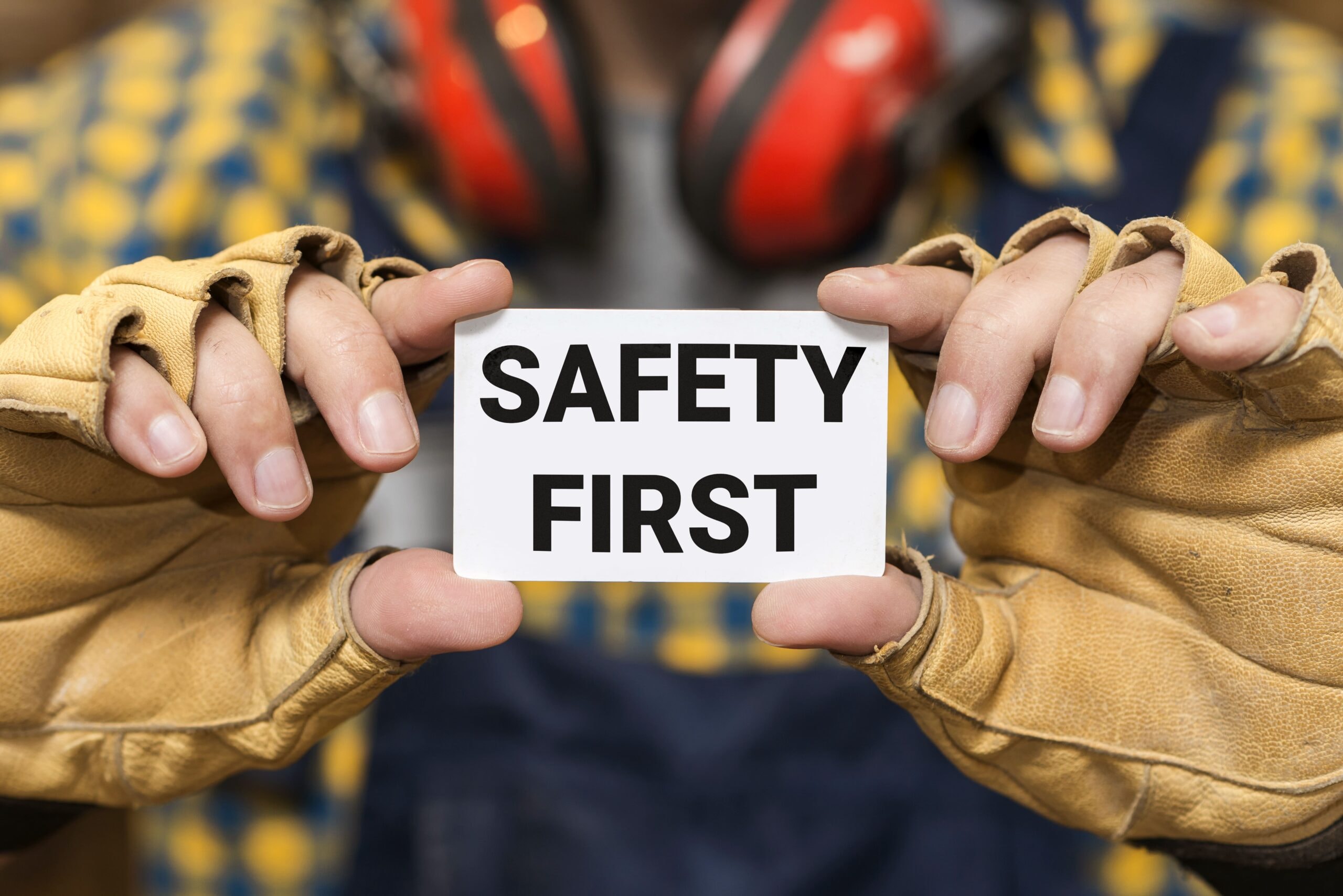
Working with any adhesive needs care. It is very important to be safe. Follow simple rules to prevent problems.
Always Use Protective Gear
Protect your body when using adhesives. Wear gloves to keep glue off your skin. Different glues need different gloves. Check the product label. Wear safety glasses or goggles. This protects your eyes from splashes or fumes. Some jobs might need a face shield. Wearing the right gear helps prevent injury.
Ensure Good Ventilation
Many adhesives give off fumes. These fumes can be harmful to breathe. Work in a place with good air flow. Open windows and doors. Use fans to move air. If you are working with strong fumes, you might need more help. A respirator mask can filter the air you breathe. Good ventilation keeps the air clean. It protects your lungs and prevents dizziness.
What to Do in Case of Contact
If you get adhesive on your skin, clean it off quickly. Follow the instructions for that specific glue. Some clean with soap and water. Others need a special cleaner. If you get adhesive in your eyes, rinse them with water right away. Rinse for many minutes. Get medical help if needed. If someone swallows adhesive, call for medical help right away.
Proper Storage and Handling
Store adhesives correctly. Keep them in a cool, dry place if the instructions say so. Keep the cap on tubes tightly. This prevents the glue from drying out. It also prevents spills. Keep adhesives away from children and pets. Handle containers carefully to avoid dropping them. Maintain your tools. Clean hot melt guns after use. Keep the tip clear of old glue.
Conclusion and Recommendations
Adhesives are very useful. They are a great way to bond materials. They offer high strength. They provide flexibility. They can join many different things together.
You should consider application first. Jiuju will help you to guide through what materials are you bonding? What kind of environment will the bond be in? How much strength or flexibility do you need? Research different types like hot melt adhesives, structural adhesives, and super glue.