Picking the correct tape for a construction or industrial-grade project can guarantee effective sticking, reliability, and performance. Due to their materials and design, different types of adhesive tapes offer unique benefits. In this guide, you will learn how cloth-based tape compares with other industrial adhesives so that you can make an informed decision on which will benefit your tasks the most. So, keep learning!

Figure no 1 Cloth-based tape
1) What is Cloth-Based Tape?
Cloth-based tape consists of cloth fibers that are covered with strong adhesive tape. The design offers a unique combination of flexibility, durability, and resistance to wear and tear.
- Key Features Of Cloth-Based Tape
- Powerful Bond: Provides adhesion to rough and uneven surfaces without loss in performance.
- Flexibility: Easily adheres to curved and strangely shaped surfaces.
- Tearing Strength: Holds well under tension. This makes it particularly useful for fastening heavy materials.

Figure no 2 Tape strength
- Weather Resistance: Cloth-based tape works in different weather conditions such as humid, cold, or high temperatures.
- Simple to Use: There are no special skills or equipment required for application; it can simply be torn off and put on.
- Application of Cloth Based Tape
- Repairs and Construction: For sealing, bundling, and securing loose tools or equipment.
- Automotive: For temporary fixes of tools and securing wires.
- Electrical Works: Acts as an insulator and holds cables in place.
- Packaging and Shipping: Excellent sealing capabilities for heavy boxes.
- Carpentry and Metal Works: Keeps loose materials in place during the project.
2) Other Types of Adhesive Tapes Used
In addition to cloth-based tape, there are other types of adhesive tapes meant for heavy industrial work. Each type has unique characteristics which make them suitable for a particular job.
i) Duct Tape
Duct tape is a strong versatile adhesive. It is coated with polyethylene, making it resistant to moisture. It can stick on practically anything. The tape duct is an excellent choice for emergency repairs, sealing leaks on pipes or air ducts, and bundling materials together. Additionally, its ability to endure harsh conditions makes it a preferred option for fast solutions.

Figure no 3 Duct tape
ii) Vinyl Tape
This tape is made from versatile plastic vinyl that has an adhesive layer on its underside. It is used often in electrical as well as safety works. Since it can withstand water and various chemicals, it is ideal for places that are prone to liquid spills. It is helpful for identification and labeling because it is available in different colors.
iii) Foam Tape
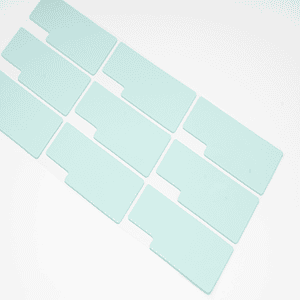
Foam tape is made of soft material to provide an extra grip and absorb impact. It sticks on rough edges easily and is effective at sealing gaps, mounting light fixtures and parts, and even dampening vibrating machines. It is great for applications that need protection from some sort of collision because of the cushioning features.

Figure no 4 Foam tape
iv) Double-Sided Tape
Double-sided tape has no visible center, meaning adhesive strips that stick to two areas does not show. So, this allows two surfaces to be bonded together seamlessly. It is often used for hanging signs, light decorations, and joining panels. In most cases where the final look has to be neat, this tape is great.
v) Aluminum Foil Tape
Aluminum foil tape comprises a thin layer of foil with an adhesive that heats up, providing lasting protection. It is exceptionally resilient and can stand more heat, making it suitable tape for HVAC duct sealing, electrical insulation, and other surfaces that are prone to moisture and heat. It is also advantageous for use in devices sensitive to temperature changes because of its reflective nature.
3) How to Choose Appropriate Tape for Heavy-Duty Tasks
Each task comes with its unique needs, and the type of tape required will depend on other factors as well. Below are some considerations worth noting when deciding.

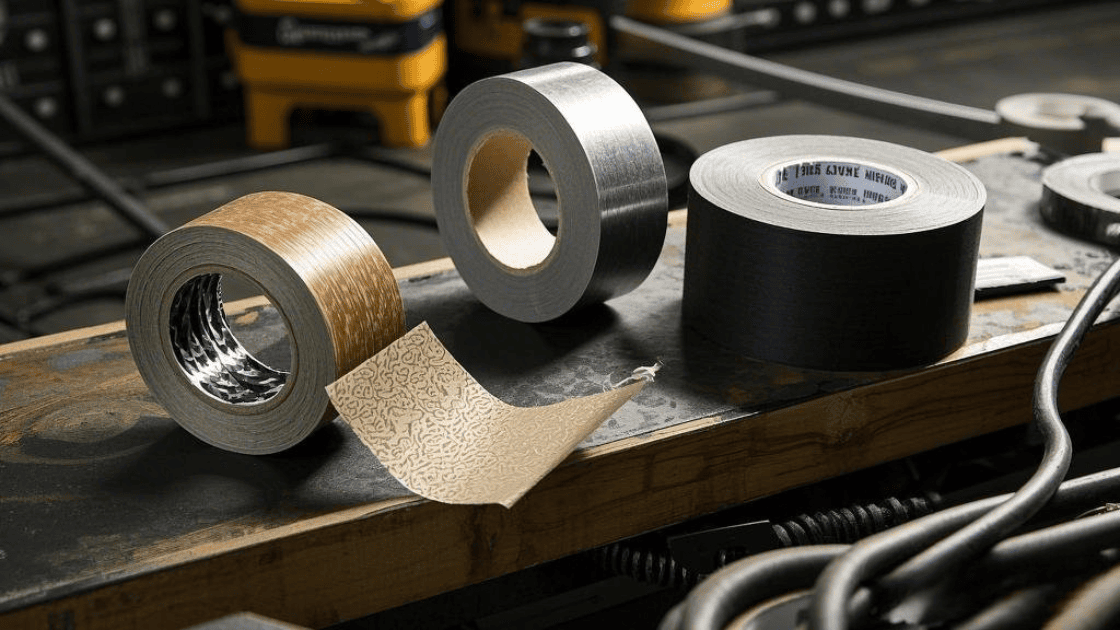
Figure no 5 Choose the right tape for your application
- Adhesion Strength: The tape should offer a reconnect bond that is difficult to break when force is applied. Duct tape and cloth tape work best when holding rigid surfaces because they ensure high adhesion strength.
- Surface Compatibility: Different surfaces require specific tapes. Vinyl tapes are preferred in works involving smooth surfaces, whereas cloth-based tapes are ideal for rough and textured materials.
- Weather and Temperature Resistance: If the application is to be used outdoors, then choose one that can resist rain, hot, and cold weather. Aluminum foil tape is the best option in cases of very high temperatures.
- Flexibility and Toughness: Flexible cloth tape and vinyl tape works best on rough surfaces like curves or any irregular surfaces.
- Residue and Easy Clean Removal: Some tapes are known to leave behind a sticky residue that is quite annoying and difficult to eliminate. Double-sided tape and foam tape are easy to remove without any added effort.
4) Cloth-Based Tape vs. Other Adhesives
| Feature | Cloth-Based Tape | Duct Tape | Vinyl Tape | Foam Tape | Double-Sided Tape | Aluminum Foil Tape |
|---|---|---|---|---|---|---|
| Strength | High | High | Moderate | Moderate | High | High |
| Flexibility | High | High | High | Low | Moderate | Low |
| Water Resistance | Moderate | High | High | Low | Moderate | High |
| Temperature Resistance | Moderate | Moderate | High | Moderate | Low | High |
| Adhesion | Strong | Strong | Medium | Medium | Strong | Strong |
| Residue-Free Removal | No | No | Yes | Yes | Yes | No |
| Best Use Case | Heavy-duty repairs | Quick fixes | Electrical work | Sealing gaps | Mounting objects | HVAC applications |
5) Best Practices for Using Cloth-Based Tape in Heavy-Duty Jobs
There are some tips to best use cloth-based tapes in heavy-duty tasks, take a look;
! Surface Cleanliness: The area should be free of dust, grease, and any other dirt particles. Wipe the area down and start a clean surface so the dust particles do not stick, making it easily removable. In addition, applying the tape to a clean surface, allows there to be maximum adhesion.
! Apply Resting Pressure: When placing down the tape, it is important to ensure it is pressed down evenly along its length. This greatly improves the contact surface area for the adhesive ensuring that it is applied well.
! Choosing The Right Tape Width: Pick a tape width that suits the requirements of your tasks. The ideal width should cover all necessary areas as it can more efficiently support and hold.
! Appropriate Storage: Store any unused tape in a cool, dry area to avoid compromising its adhesive properties.
! Stretching During Application: Excessive stretching of the tape when applying it to a surface may compromise the adhesive’s strength making it less effective.
6) Conclusion
Understanding the scope of work is an important factor to consider when selecting heavy-duty adhesive tape. The exceptional strength, flexibility, and durability offered by cloth-based tape make it a preferred choice among many industries. Other tapes like duct tape, vinyl tape, and aluminum foil tape also have their own specialties that certain other industries could benefit from.
If you are looking for high-quality cloth-based tape and other industrial adhesive solutions that are reliable and long-lasting then Jiujutech is the best option ever. Our products are built with demanding heavy-duty tasks in mind, delivering great adhesion strength and long performance life. Visit Jiujutech to browse our products and get the perfect tape that will suit your needs. We are just one click apart!