
Introduction
When we talk particularly about automobile electronics, there are some key problems like high temperature, harsh weather conditions, and a lot of vibrations. As a result, nuts, bolts, and fasteners can become loose over time, that we definitely do not want. So what is the solution?
The best solution is to use adhesives, otherwise called high temperature vibration resistant adhesive that are specially designed for automotive engines that act as sealants. That is what this article talks about- it talks about the 5 best automotive electronics adhesives that cater to automotive industry challenges and how you can procure these for your industrial uses or for reselling purposes in the local market.
Key Selection Criteria
In order to select the right adhesive for your automotive product, first you need to learn about the key selection criteria that make it the most suited adhesive for your automobile.
- Temperature Range
First you need to know the ambient temperature where you will be using the adhesive. Different adhesives are designed to withstand different ambient temperatures and the most common engine bay standard is between -40 degrees Celsius to 200 degrees Celsius. If you are looking for an adhesive beyond this range, then you need to talk to your supplier about that.
- Vibration Resistance
Speak to your adhesive supplier that you need an adhesive in compliance with ISO 16750-3 or SAE J1455 testing because adhesives need to withstand vibrations without getting loose. But if your adhesive meets these standards, then there is a guarantee of quality and applicability in your automotive projects.
- Chemical Resistance
Adhesives have to tolerate chemicals and should not wear or tear down when they come in contact with the chemicals. Some of the most common chemicals that an adhesive will come in contact with in an automotive product are coolants, engine oils, lubricants, or even saline water.
- Substrate Compatibility
Substrate compatibility means that the adhesive should be compatible with the most common materials that are found in the engine assembly. For example, there can be plastic, stainless steel, aluminum, copper, iron, or even silicone. Adhesives should not damage these materials or get damaged from these materials when in continuous contact with them.
- Cure Speed
Automotives are always assembled and during the engine assembly, the adhesive should be able to cure completely in a quick amount of time in order to facilitate speedy assembly of the engine. In general, we should expect a cure speed of about 30 minutes after application to ensure that the vehicles can be assembled in a speedy fashion.
Top 5 Adhesives Review
- Epoxy Resin X-Therm Pro

This is one of the most durable and thermally resistant resin and epoxy for ECU bonding that is perfect for automotives and even aerospace technology. It uses resin technology that cures and becomes hard. It can feel and look like solid rubber or silicone. It can be of different colours.
Best For
- ECU encapsulation.
- Sensor bonding.
Features
- Nominal temperature range: -50 degrees celsius to 220 degrees celsius.
- Can withstand vibrations of more than 10G for more than 100 hours.
- Shear strength: 15+ MPa with copper or aluminum.
Limitations & Disadvantages
- It can take up to 24 hours to cure fully.
- While curing, it generates some heat and this can be dangerous when curing in bulk.
- The mechanical strength can compromise if we bring it down below -50 degrees celsius, causing it to brittle.
- It has a limited compatibility with the chemicals without wear and tear.
- Silicone Sealant FlexiBond 800

This type of sealant is called silicone sealant for wire harness and it uses silicone as a base and has a permanent stability until it stays within the favourable operating conditions. A lot of industries prefer this variant because of its exceptional adhesive properties. As the name suggests, it can assure flexible sealant, which will make the PCBs safe from water hazards as well.
Best For
- Wire harness sealing.
- LED lighting.
Features
- One of the best features is that it remains fully elastic even after fully curing. This means that after a full cure, you can still mould it as you wish without affecting its mechanical or chemical properties.
- This type of sealant can be painted over the surface with a smooth and glossy finish. The paint will not chip or come off in an ugly fashion, which will help you paint your brand, important detail, or simply give an aesthetic appeal.
- It becomes completely waterproof after fully curing, which will let you use it in a moist area as well, such as coolant, oil, saline water, etc.
Limitations & Disadvantages
- If it comes in contact with water during the curing process, the water can weaken the mechanical properties permanently.
- Too high or too low temperatures will destroy the mechanical properties.
- Products offered by some brands may notice a slight shrinkage in the cured sealant after a full cure.
- Polyurethane Adhesive DuraGrip 360

These are among the strong adhesives that offer flexibility, strength, and waterproof sealant after a full cure. This makes them perfect for moist areas, such as PCBs. In the automotive industry, a polyurethane based adhesive is a very popular choice in filling the gaps, sealing the vital parts like PCBs, or even giving a protective layer to the engine parts without worrying about any chemical reactions.
Best For
- EV battery assembly
- Heatsink bonding
Features
- Expected thermal conductivity is 1.2 W/m·K.
- It can cure within 10 minutes after application.
- The bonding will be super strong after a full cure.
- There are different variants in this type of adhesive that will give you fast and slow curing options.
- It has the ability to fill the gaps without chemical reactions.
Limitations & Disadvantages
- The application can be a little messy especially it can become hard to remove if you accidentally spill it on an unwanted area.
- Some variants will need a slightly moist ambience to cure completely, which is why they won’t be feasible in dry areas.
- Cyanoacrylate SuperBond Nano

We can call it a super glue that can cure within seconds fully without requiring any extra pressure. The reason why the automotive industries use this type of glue is that it has incredible bonding feature.
Best For
- Connector/relay quick repairs.
Features
- Cures completely within 5 seconds.
- It is perfectly compatible with metal, plastic, rubber, ceramics, and wood.
- This type of adhesive needs to be activated with the presence of moisture.
Limitations & Disadvantages
- It can crack and brittle over time with vibrations.
- It cannot fill the gaps, hence suited only for tight fitting areas.
- Acrylic Adhesive ThermoLock 950

These are some versatile types of adhesives that are used across industries including automotives.
Best For
- High-temperature motor magnets
Features
- Weather & UV resistance with a fast and controlled curing.
Limitations & Disadvantages
- The surface needs to be prepared before applying this adhesive.
- It has a short life span.
Comparison Chart
| Parameter | Epoxy X-Therm | Silicone FlexiBond | PU DuraGrip | CA SuperBond | Acrylic ThermoLock |
| Temp Range | -50~220°C | -60~200°C | -40~180°C | -30~120°C | -50~300°C |
| Vibration Test | ISO 16750-3 | MIL-STD-810H | DIN 53512 | N/A | SAE J1455 |
| Cure Time | 24 hours | 2 hours | 10 mins | 5 seconds | 30 mins |
| Typical Use | ECU Sealing | Wire Harness | Battery | Connectors | High-Temp Motors |
Application Best Practices
Surface Prep
Before applying any adhesive on the surface, we need to prepare it first. If applying on the plastic surface, we need to plasma-treat that surface. But if it is a metallic surface, then clean it with IPA.
Dispensing Tools
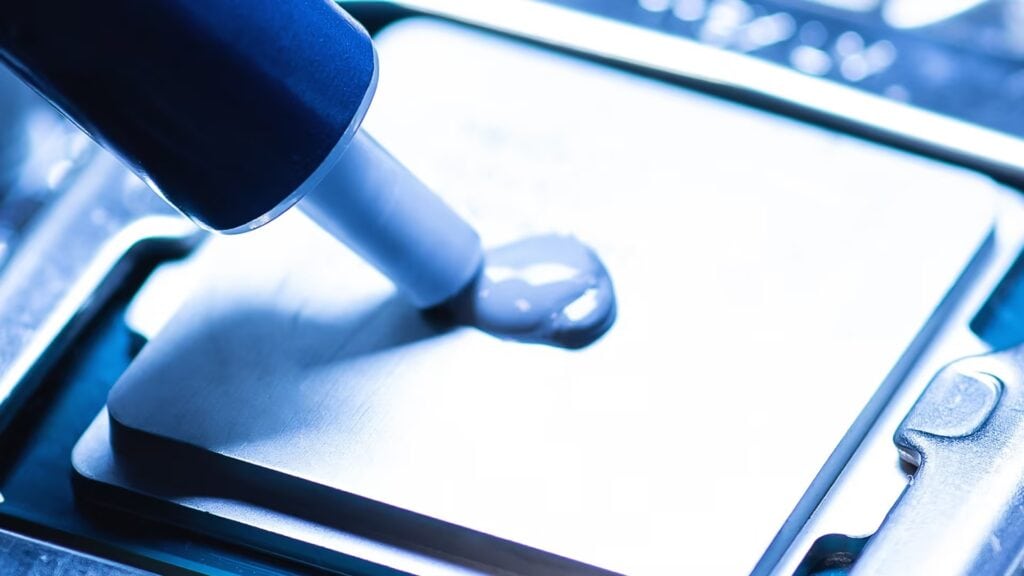
There is always a right way of applying the adhesive on the surface, which is called dispensing. A proper dispenser for an adhesive would be pneumatic syringes or precision nozzles, so that the adhesive is applied only on the valid surface. It also helps in controlling the right amount of adhesive application, avoid spillage, and wastage of the adhesive.
Curing Tips
For epoxy-based adhesives, we can consider thermal curing after the application process. This makes sure that the epoxy adhesive cures nicely without damage and air bubbles in it.
Cost & Procurement Guide
Budget Options
- For small repairs and less requirements, the SuperBond Nano would be an affordable option that will be quick to fix and cure.
- Manufacturers who are looking for bulk production, they should consider X-therm Pro because of discounts on bulk purchases.
Sourcing Channels
- The most feasible sourcing channel would be direct contact with the manufacturer (in case you are looking for factory prices and bulk quantities).
- For moderate and low demand, consider authorised distributors, who will give you low quantity but won’t be able to offer factory prices. You might be able to get a quick delivery with them, though.
Conclusion
When considering adhesives for automotives, there are so many things and factors to look upon and that is why you need a valid and experienced supplier such as Juijutech. When you contact Jiujutech, they will understand your requirements and offer the most feasible solution for your automotive electronics adhesive.
With years of experience and ability to cater to the global market, Jiujutech will make sure that you get the right product at the most affordable price (factory price) in the most economical amount of time. If you are an OEM seller, manufacturer of automotive electronics, or any parts in the automotive sector, then Jiujutech will be able to help you with the procurement of the most valuable and feasible adhesive.