
Modern electronics are at the core of every innovation you can think of today. They power everything, from electric cars to medical gadgets that save lives. They have become stronger, compact, and smarter than ever before. This steady growth, however, comes with a major challenge: vulnerability. Moisture, vibration, thermal shock, and corrosive dust are just some of the harsh realities electrical components face every day.
This is where potting, also known as encapsulation, thermal conductivity serves as one of the best and most sophisticated methods for protecting your electronic devices. By submerging sensitive components in a special potting compound, we create a strong seal or block of protection that keeps sensitive components safe from harsh environments.
What is Potting?
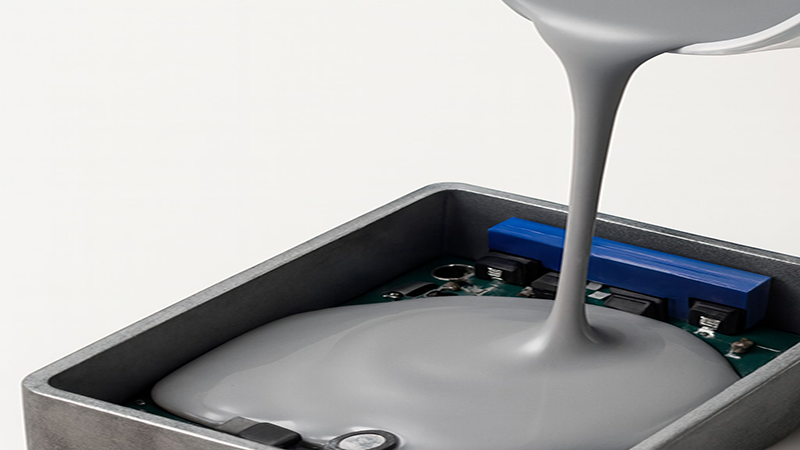
Potting is a containment process you can use to provide maximum protection for electrical components. What does potting entail? This procedure involves inserting an electronic assembly (such as a PCB) into a casing, container, or “pot,” then filling the casing with a solvent insulating material called a potting compound.
This liquid substance (compounds) flows through all of the components, covering all gaps and vacuums. It then undergoes a deep section cure, either at room temperature or heated, to form a solid, void-free protective mass.
You can think of this process as something like the formation of a fossil. The electronic assembly is the delicate organism, while the potting compound is the resin that surrounds it and keeps it in a solid block, protecting it from external pressures and varying temperatures. This introduction of the compounds (resin) into the delicate organism results in a single, well-sealed unit that significantly increases its lifespan and durability.
.
The Core Benefits of Potting Compounds for Electronics: Why is it Essential?
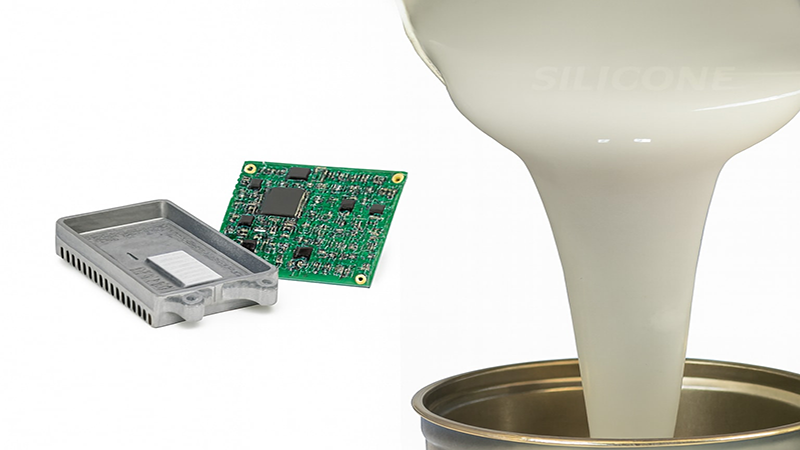
Applying silicone potting compound to electronics is not just an optional finishing step; it is a strategic, crucial, and smart engineering choice with the right potting compound and many benefits.
Potting compounds directly affect the reliability of electronic devices, thereby influencing their longevity, making them more durable. If you want your product to function efficiently outside a clean, climate-controlled environment, potting can be the difference between success and a costly disaster.
The integration of potting solutions into smart electronic engineering can greatly reduce the risk of device failure or shutdown. This factor alone makes potting an important part of modern manufacturing.
Below are the four main ways that potting:
Environmental Protection
This is the most important benefit of potting electronics. Once the potting compound has dried, it provides a solid, impervious barrier that prevents a wide array of environmental threats from penetrating.
Some of the things that potting compounds protects your electronics from include humidity, dust, moisture, salt spray, and numerous other harsh chemicals and acids. This level of impermeable protection with flame retardance is ideal for electronics used in automotive, marine, and other harsh industrial environments.
Mechanical Strength and Vibration Damping
Potting is the perfect way to provide exceptional protection for electronic components from impact, mechanical shock, and, most importantly, long-term vibration. The solid mass of the compound holds the solder joints and component leads in place, preventing them from breaking due to fatigue or physical stress.
Enhanced Electrical Insulation
Most modern electronic systems consist of high component densities and require high operating voltages. Potting compounds are exceptional when it comes to electrical insulation, which means they are not electrically conductive. To make the dielectric strength of an assembly much higher, you can use a potting compound to fill the air gaps between conductors.
Doing this helps to eliminate short circuits, electrical arcing, and crosstalk between high-voltage traces in closed spaces. This ensures power electronics are always safe and reliable.
Improved Temperature resistance
Electricity and heat are not allies; they do not go well together. Every active component of an electronic device generates heat, and if that heat isn’t efficiently managed, it can degrade performance and lead to premature failure of the unit.
Certain specialized thermally conductive potting compounds contain ceramic fillers that allow heat to transfer from the heat-generating, high-temperatures component to the device’s heatsink, even though standard potting compounds are thermal insulators.
Silicone Potting vs. Conformal Coating: Making the Right Protection Choice
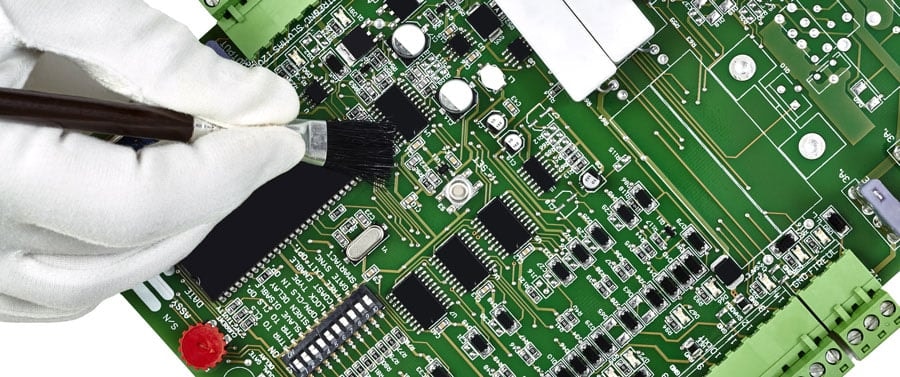
As an engineer, you often face situations where you are torn between using potting and conformal coating as protective mechanisms. Although both methods try to protect electronics, they work in very different ways and offer varying levels of safety. To make the right, cost-effective choice for your product, you must understand the difference between the two.
What is Conformal Coating?
A conformal coating is a very thin polymeric film, usually 25 to 150 microns thick, applied to the surface of a PCB. It “conforms” to the shape of the board and its parts just as the name suggests. The key responsibility of conformal coating is to keep moisture, dust, and light chemical contaminants out of electronic components, while still allowing the barrier to be permeable over long-term exposure. It is a simple approach that doesn’t add much weight or stress to the assembly..
What is Silicone Potting?
As we mentioned earlier, silicone potting is a method for completely encapsulating a component. It employs a three-dimensional defense mechanism to fill the whole inside of a device’s container. The great flexibility and adaptability of silicone potting compounds make them a popular choice for a wide range of applications. Unlike standard silicone potting materials, specialized thermally conductive silicone compounds like those from JIUJU, offer your devices excellent heat dissipation and exceptional resistance to moisture, dust, and chemical agents.
Potting vs. Conformal Coating for Electronic Assemblies – A Head-to-Head Comparison
| Characteristics | Conformal Coating | Silicone Potting |
|---|---|---|
| Level of Protection | Low - Moderate | High to Extreme |
| Weight & Mass | Minimal | Significant |
| Thermal Management | Limited | Excellent |
| Re-workability | Possible | Difficult to Impossible |
| Cost | Lower | High |
A Guide to Potting Material for Electronic Components
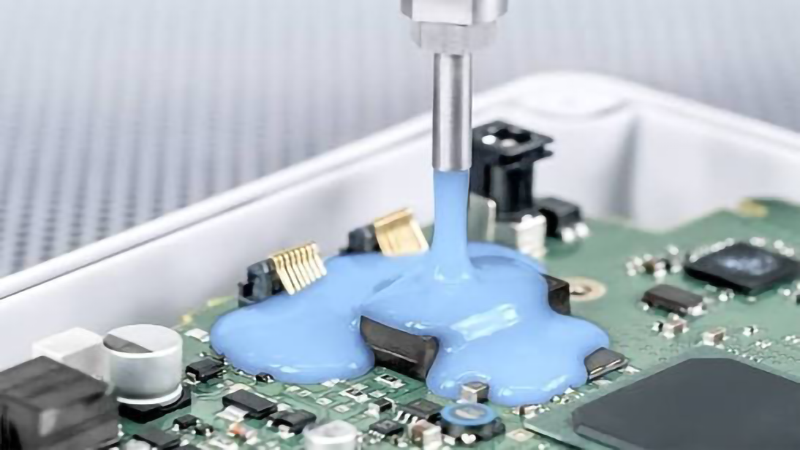
When we talk about potting compounds for electronics, the word “compound” in this context refers to the base chemical composition, which determines how it cures. Epoxies, polyurethanes, and silicones are the three main types of potting materials used in the electronics industry, though there are many other variants and alternatives. It’s important to understand their high strengths and weaknesses before choosing the potting material that’s best for your project.
Epoxies
Epoxy potting materials are particularly known for being very hard, having excellent adhesion to numerous substrates and high chemical and temperature resistance. Once fully cured, they harden into a brittle, tough, long-lasting mass with outstanding structural stability.
Polyurethanes
Polyurethane (or urethane) compounds are popular for providing a good middle ground. These potting compounds bend more easily than epoxies and boast of enhanced abrasion resistance, chemical and environmental resistance. Polyurethanes can be formulated into a wide range of hardness, from soft and rubbery to tough and stiff.
Silicones
For applications that require exceptional stability and flexibility across a wide array of possible temperature ranges, silicone potting compound is the superior choice among the other various fillers. After a deep section cure, the silicone potting compound turns into a soft, rubber-like substance that exerts little to no stress on plastics and components. For this reason, silicone potting compounds are undoubtedly the best choice for encapsulating and protecting fragile electrical assemblies and delicate components from different environmental conditions.
Epoxy vs. Urethane vs. Silicone

| Property | Epoxy | Polyurethane | Silicone |
|---|---|---|---|
| Hardness Range | High (Rigid, Shore D) | Wide Range (Soft to Hard, Shore A/D) | Low (Soft and Flexible, Shore A) |
| Hardness Range | Moderate (-40°C to 150°C) | Moderate (-40°C to 130°C) | Excellent (-60°C to 230°C+) |
| Flexibility | Poor (Exerts high stress) | Good (Absorbs some stress) | Excellent (Provides the best stress relief) |
| Repairability | Very Difficult / Impossible | Difficult | Possible (for soft, clear grades) |
| Cost | Moderate | Low to Moderate | Moderate to High |
Key Considerations for Potting
To achieve a successful potting operation, you need to do more than just choose the right chemistry. For any practical application, it is essential that you take note of these critical process variables:
- Mix Ratio:
Most professional encapsulation compounds comprise two-component systems ( that is, a resin and a hardener). It is very crucial to always stick strictly to the particular mixture and mixing ratio specified by the manufacturer. An imbalanced ratio can result in incomplete polymerization, weak spots, or a final product that falls short of the specified properties.
- Exothermic Reactions:
The chemical reaction that polymerizes many encapsulation compounds (epoxies in particular) generates a lot of heat through a process called exothermic. It is important to select a compound that has a suitable gel time and cure profile. When an exotherm is left uncontrolled, the heat it generates can damage sensitive components.
- Cure Inhibition:
This is the silicone’s inability to cure when it comes in contact with certain contaminants like sulfur and plasticizers. Ensure that substrates and the component housing is clean and can function well with your selected potting compound. Failure to do this will result in a gummy, uncured layer.
Common Use Applications of Silicone Potting Compounds
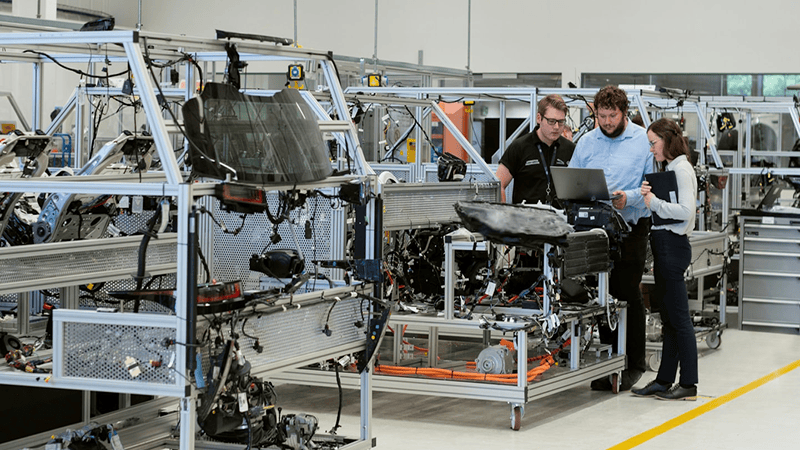
Silicone potting compounds are very useful in many fields and products where reliability is crucial, as they offer numerous unique benefits. Because they help electronics last longer, they are unquestionably an essential part of any high-quality manufacturing process, thanks to their unique properties ..
- Automotive: Potting protects sensors, Engine Control Units (ECUs), and battery management systems for electric vehicles (EVs), It provides robust protection from steady vibration and very high temperatures inside the engine compartment.
- Power Supplies and Converters: Insulate and cool transformers, capacitors, and other high-voltage components.
- LED Lighting: Used to protect outdoor and industrial LED drivers and modules, keeping them dry and dissipating the heat from high-power LEDs.
- Consumer Electronics: silicone potting provides resistance to moisture, critical shock, and harsh environmental conditions, making it ideal for portable and wearable tech.
Conclusion
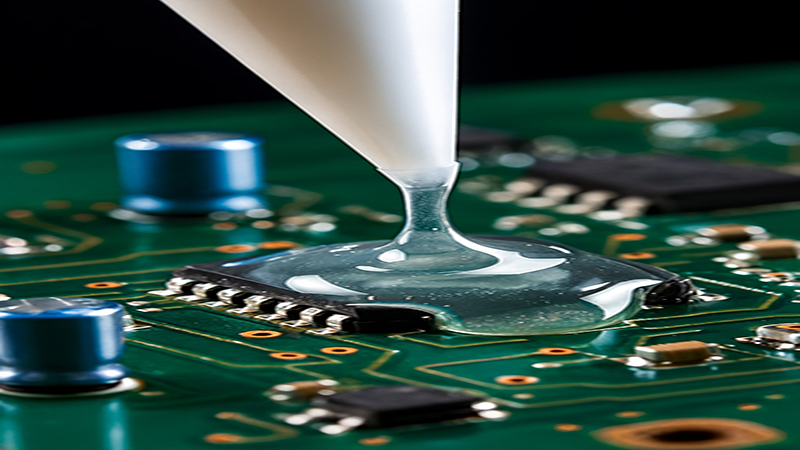
Protecting an electronic product is the final layer you must apply to ensure it is truly solid. Potting is the best way to protect electronics from mechanical and environmental stresses that can cause failure. While epoxy and urethane potting materials have their ideal uses, modern silicone compounds are the unrivaled best choice. Silicone compounds are flexible, can withstand a wide range of temperatures, and are more efficient at managing heat. This is exactly what today’s high-tech electronics demand for suitable protection .
Figuring out the specifications of a compound is one thing; getting a manufacturing partner who can reliably deliver those same specifications in the right potting compound is something else entirely. JIUJU is not a retailer or a distributor; we are the main producer. This eliminates the risks and stress that come with a complex supply chain, giving you, our B2B clients, a direct link to undiluted quality, performance, and expertise.
Partner with a manufacturer who understands the science of protection and can equip you with the right potting compound, customized just for you. Reach out to our material experts at JIUJU now to discuss your challenges, request a flexible quote, and even receive a sample test of a potting compound to safeguard your electronic assemblies.