Heat is one of the biggest threats to both electronic and automotive industries, especially when it comes to the challenge of reduced weight . Because when traditional materials inside electronics get hotter, they can lead to several performances and even safety issues. To solve heat-related problems, companies are now widely switching to composite materials like thermally conductive plastics (TCPs).
Wondering what thermally conductive materials are and how they can help you achieve their top benefits? This is exactly what this guide covers. Here you will also learn about how TCPs work and their common applications. By the end, you will also get to know about its limitations and next-generation material demands.
Understanding Thermally Conductive Plastics
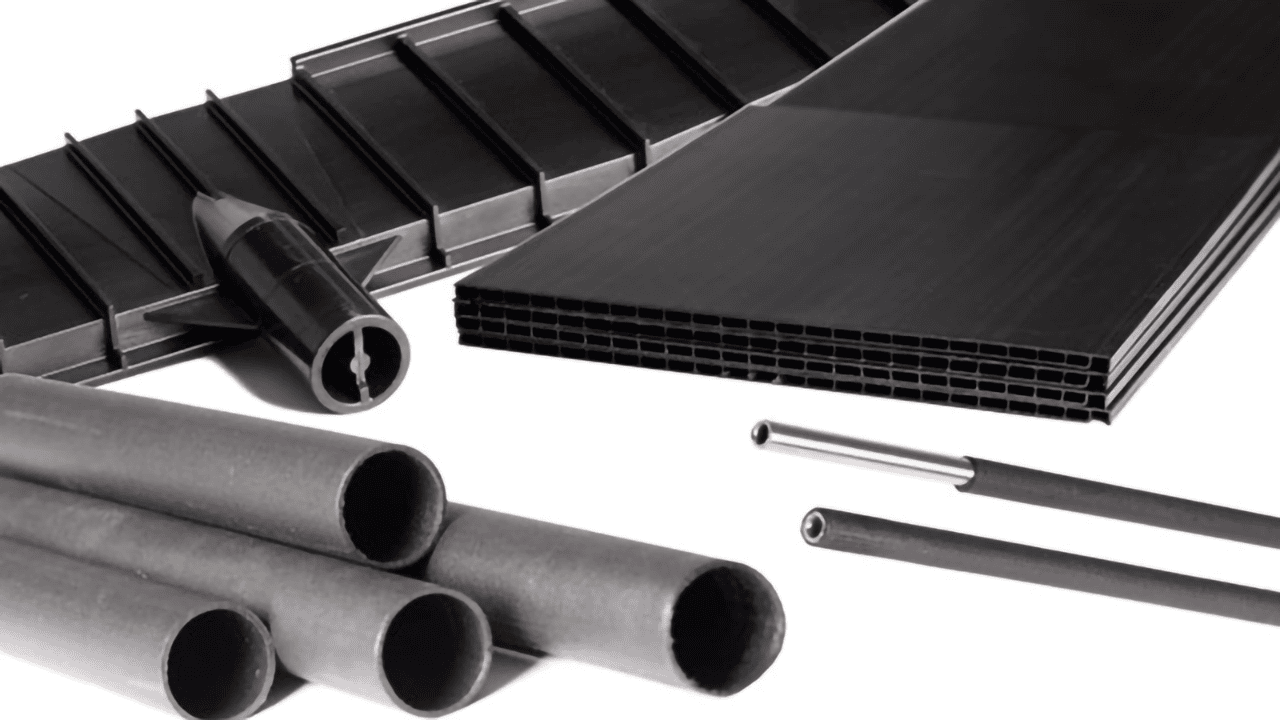
Thermally conductive plastics (TCPs) are a special type of plastic, specifically designed to provide excellent thermal conductivity (the capability of a material to dissipate heat). Similar to metals, TCPs let faster heat transfer through them compared to conventional plastics, but without adding extra weight. And that’s why these materials provide cost advantage compared to traditional thermal materials.
These TCPs are typically created by combining plastic base with thermally conductive polymers. Like carbon fibers, ceramics, graphite, carbon nanotubes, carbon black, or metal. These polymers/ fillers improve both thermal and electrical conductivity and help plastic to dissipate heat while maintaining its stability, light weight, and cooling capabilities.

That is why these materials are widely used in heat-sensitive applications where heat management is critical. Demanding applications include electronic gadgets (like mobile devices), automotive parts (like sensors), advanced driver-assistance systems, and HVAC components (like air conditioners).
However, it is important to note that not all TCPs are electrically conductive plastics (the ability of a material to allow current to flow). While some are both thermally and electrically conductive, many are electrically insulating. Their electrical behavior typically depends on the type of filler used.
Manufacturing Process of Polymer-Based TCPs
By nature, plastic is neither thermally nor electrically conductive. That is why, to create TCPs, proprietary conductive additives (means thermal-conductive fillers) are used. The selection of right thermally conductive fillers typically depends on temperature resistance, electrical conductivity/ insulation, and application requirements.
After filler selection, both polymer base and thermal-based fillers are dispersed and melted for a high degree of thermal conductivity. Afterward, the compound is molded using an injection molding technique at a suitable melting temperature, pressure, and cooling time.

By passing under these injection molding parameters, TCPs reduce hotspot formation (heat buildup in one area), making them ideal for electronic and automotive components. Apart from TCP’s excellent thermal management and faster heat dissipation capability, they also offer significant weight reduction, corrosion resistance, and excellent design freedom properties.
Key Properties of Thermally Conductive Plastics
When it comes to TCPs, high thermal conductivity with fast heat dissipation and strong electrical insulation are the standout properties. But there are several other material characteristics that work together to make TCPs more effective in real applications. Let’s go through them:
- High Thermal Conductivity
Their thermal conductivity typically ranges from 0.8 and 5.0 W/m·K based on the filler concentration and end-use requirement.
- Controlled Electrical Behavior
Based on the filler used, TCPs can be electrically insulating or stay electrically conductive plastics. This way, TCPs stand out as an ideal thermal solution catering to different technical needs.
- Dimensional Stability
Even when TCPs are exposed to high temperatures, they do not rust or corrode, which makes them easily formed into desired shapes . In fact, they consistently maintain their shape in long term.
- Mechanical Strength and Stiffness
When combined with fillers (like metals, ceramics, etc.), they form strong bonding, stiffness, and tensile strength. These properties ultimately make TCPs mechanically more durable in high-temperature and harsh environments.
- Easy to Tailor
TCPs are highly customizable. Using manufacturing process like injection molding, manufacturers can adjust TCP’s thermal and mechanical performance by selecting specific filler type and shape and creating them at certain melt temperature, injection speed, and mold design.
How Thermally Conductive Plastics Works?
TCPs actually work by doing heat transfer through thermal conductive fillers that are added inside the plastic base. Basically, when electronic devices generate heat, fillers in TCPs enable plastic dissipate heat evenly through them. This way, heat quickly moves away from the source. And as a result, heat spreads through the material instead of staying stuck in one spot. This reduces hotspots and keeps the component stable.

Even though these fillers help in fast heat transfer and improve thermal conductivity, whether they are electrically insulating or electrically conductive plastics fully depends on which fillers are used.
For instance, ceramic-based fillers support electric insulation, help protecting sensitive electronics. On the other hand, carbon-based fillers offer electrical conductivity. Means they allow functional integration where both heat and current need to be managed together.
That’s why, before choosing any TCP material, you must ensure that you choose right formulation, which matches both the thermal and electrical conductivity requirements of your application.
Major Benefits of Using Thermally and Electrically Conductive Plastics
- Lightweight Compared to Metals
They are much lighter than metals. This way, they reduce overall weight of electronic devices, automotive parts, and EV components.
- Excellent Heat Dissipation / Thermal Management
Compared to conventional plastics, the fillers in TCPs do faster heat transfer. They pull heat away from hotspots and distribute it evenly. As a result, they prevent device overheating and improve the lifespan.
- Greater Design Freedom
Because TCPs are still plastics, they are extremely easy to mold into any shape, allowing design flexibility and low assembly cost.
- Reduced Part Count / Part Consolidation
One amazing benefit of thermally conductive plastics is the part consolidation. Means they do the job of housing and heat sink into a single part. This not only reduces the number of components but also improves reliability and leads to low costs.
- Corrosion Resistance
On contrary to metals that are prone to corrosion and are also heavy, TCPs stand out. Even when exposed to moisture or chemicals, they don’t rust or corrode, providing long-term cost advantages and functional integration with reduced RF interference.
- Ability to Handle High Voltages in EVs
Based on fillers used, some TCP formulations are thermally conductive but electrically insulating. This way, they provide the ultimate solutions to use in practical applications. Like electric vehicle batteries, power electronics, and light emitting diodes, protecting both the component and the user.

- Enhanced EMI shielding performance
Some TCP formulations (especially manufactured with carbon-based fillers) naturally provide excellent EMI shielding performance. Means they help reduce electromagnetic interference, including issues that can affect wi fi, and protect circuits from this noise so that your device works smoothly.
Demanding Applications of TCPs Across Industries
| Industry | Applications |
|---|---|
| Electronic Components | LED lighting, heat sinks, power modules, connectors, smartphone components, EMI-shielded enclosures |
| Automotive / EVs | Battery packs, inverter housings, advanced driver assistance systems, charging components, under-hood electronics, thermal shields |
| Medical Devices | Diagnostic equipment, monitoring devices, compact thermal-safe housings |
| Lighting | LED modules, thermal frames, lamp housings, COB LED structures |
| Telecommunications | 5G equipment, antenna housings, network modules, RF components |
| Smart Devices | Wearables, laptops, gaming consoles, smart home devices, device casings with integrated heat dissipation |
In all the above heat sensitive applications, as thermally conductive materials and/or electrically conductive plastics, TCPs improve thermal management, reduce the risk of overheating and hotspot formation, protecting sensitive electronics.
Jiujutech Thermally Conductive Materials With Excellent Thermal Conductivity and Electrical Conductivity
While composite materials are becoming an important thermal solution for modern heat management. Still, TCPs cannot be used in many applications. Hence, industries also rely on traditional yet highly effective thermal interface materials (TIM).
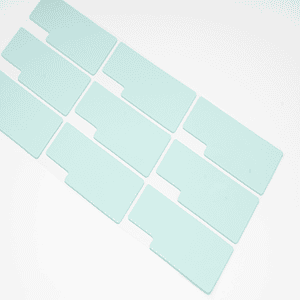
For instance, in some applications, compare to TCPs, thermal pads provide more soft-interface solution for uneven surafces. Also, applications requiring extreme condcutivity level, graphite seets works best. And this is where JiujuTech delivers strong value.

Jiujutech is the trusted thermal management solutions‘ manufacturer and wholesale supplier. We manufacture thermal pads, thermal paste, thermal gel, graphite sheets, and other advanced heat-dissipation materials that can also be used instead of TCPs. Our goal is to deliver high-performance thermal solutions with excellent cooling capabilities that product engineers can use for all applications.
Our materials are designed to support a wide range of industries. Like electronics, automotive, EV battery systems, LED lighting, power modules, and consumer devices. If you’re not sure what thermal solution you should choose for your application, contact Jiujutech today. Our professional team will help you find and choose the right solution for your needs.

The Limitations & Challenges of TCPs You Should Know About
Despite being an excellent thermally conductive composite material, TCPs still have several challenges and limitations that you must consider and be aware of. One main limitation is its high cost. Because TCPs are more expensive than traditional materials.
Another limitation can be their mechanical properties. As TCPs may not be suitable for all applications. Other than that, the development of new TCPs with new fillers or industry-specific regulatory requirements can also limit the use of TCPs in certain applications.
The Next-Generation TCPs Materials
The demand for thermally conductive plastics is increasing day by day worldwide across industries to further improve their properties and heat dissipation capability. In the upcoming years, you can expect TCPs created with advanced fillers (like graphene, carbon nanotubes, and Hexagonal boron nitride).
They are also being designed for new manufacturing methods. Like injection molding and 3D printing, so the material can integrate and fit perfectly to product design. The goal is to address the growing demand, enhance TCPs compatibility with several applications, and further improve thermal conductivity as a less expensive solution, as highlighted by the associate publisher.
Wrap Up:
By 2025, thermally conductive plastics are expected to become a standard heat-management choice due to its benefits. Because as research advances, more industries are adopting high-performance thermal materials for increased thermal management.
FAQs
- What is thermal conductivity of plastics?
Naturally, plastics have poor thermal conductivity. But once combined with thermal conductive fillers, they offer up to 0.8-5.0 W/m·K thermal conductivity.
- What is most thermally insulating plastic?
Typically, polystyrene (PS) and polypropylene (PP) are most common examples of thermally insulating with very low thermal conductivity.
- Is PVC thermally conductive?
No. PVC is basically a common plastic type. That is why it is a not thermally conductive.