Electric cars get all the buzz for their speed, range, and futuristic looks. But ask any engineer what keeps them up at night, and you’ll hear the same word: heat.
Managing the temperature inside those giant battery packs is one of the toughest and least glamorous challenges in the EV revolution.
Why Heat is a Deal-Breaker
Lithium-ion batteries are powerful, but they’re finicky. Push them too hard during fast charging or highway driving, and they warm up fast. Get the cooling wrong, and you risk faster degradation, or in worst cases, the dreaded thermal runaway. The industry has seen enough battery fire headlines to know this isn’t just theory.
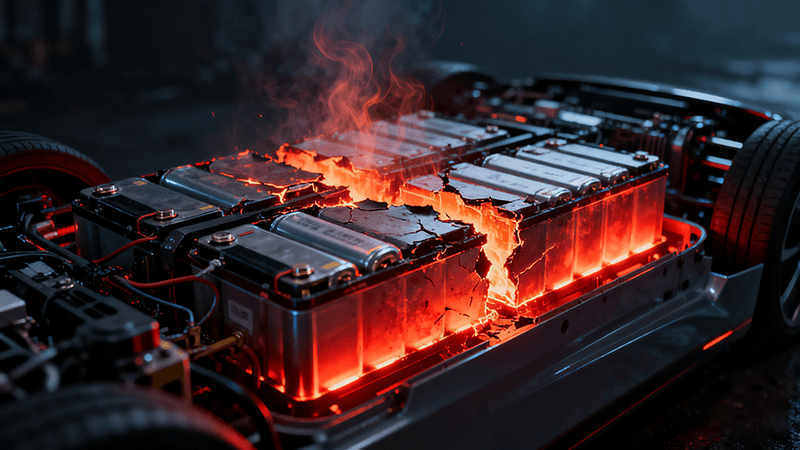
Here’s the catch: cooling systems don’t work in isolation. The quiet, often-overlooked layer making them possible is the class of thermal conductive materials. Without these fillers, pads, and composites, heat transfer stalls, and the pack becomes a ticking time bomb.
The Materials in Play
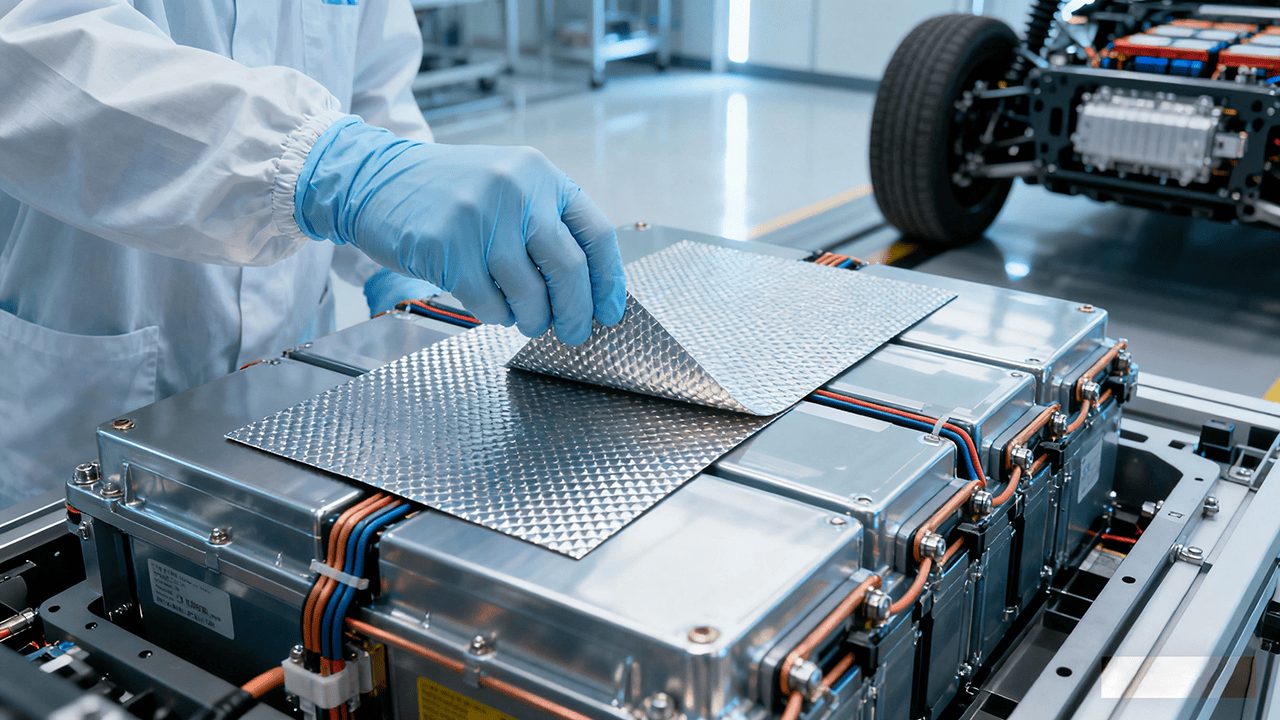
Think of them as the glue between cells, modules, and cooling plates:
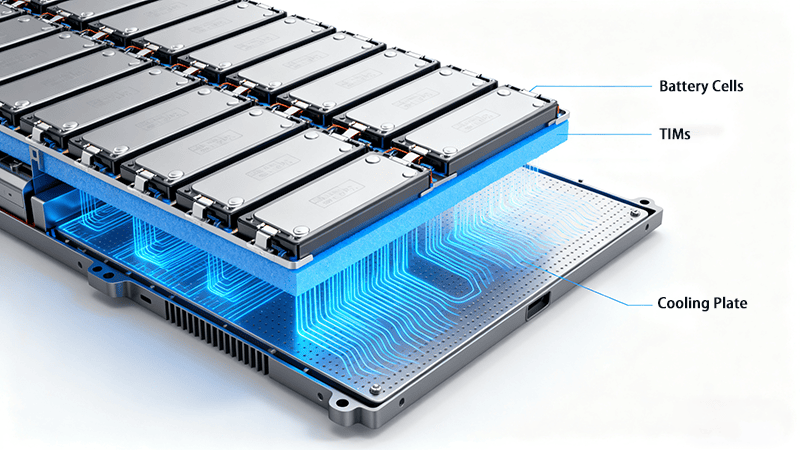
- Thermal Interface Materials (TIMs): Greases, gels, and pads that fill in microscopic air gaps.
- Ceramic composites: They spread heat well but still block electricity. That’s critical as you don’t want a heat conductor that also causes a short circuit.
- Carbon-based materials: Graphene sheets, nanotubes, and similar nanostructures, which researchers love for their extreme conductivity.
No single solution is perfect, so pack designers mix and match depending on weight limits, cost, and performance needs.
Beyond Safety: Performance and Range
Cooling isn’t just about avoiding fires. Temperature directly shapes how far you can drive and how fast you can charge.
A cooler battery means:
- Faster charging sessions without the risk of overheating.
- Longer range since the cells stay in their sweet spot.
- Better overall lifespan, which means fewer expensive replacements.
One Panasonic engineer told Nikkei Asia last year that thermal interface materials are becoming as important as the cells themselves. That might sound like an exaggeration, but it shows how central they’ve become to the EV arms race.
Who’s Pushing the Frontier
Big names such as CATL, LG Energy Solution, Panasonic are all experimenting with new TIMs and composites. Startups are jumping in too, many of them betting on nano-enhanced polymers that can deliver higher conductivity without adding weight.

Even regulators are stepping in. Safety standards in Europe and the U.S. increasingly mention thermal management materials directly, not just cooling systems.
What’s Next
Scientists are already playing with wild ideas. Phase-change materials that soak up heat like ice packs during charging or smart composites that alter conductivity depending on temperature. Imagine a battery pack that self-adjusts, spreading heat only when and where it’s needed. It’s not commercial yet, but labs are publishing papers on it monthly.

Thermal conductive materials rarely make headlines. They don’t look sexy in a product launch, and you won’t see them advertised in EV commercials. Yet without them, the dream of mass-market electric mobility could literally burn out.
So, the next time you see a story about record EV ranges or lightning-fast charging, remember that part of the credit belongs to those quiet, heat-moving layers buried deep in the pack. They’re the hidden insurance policy keeping the EV revolution on the road.
Start ordering thermal conductive materials now
Now that you understand the critical role of thermal management in electronic components, it’s time to take the next step. Implementing the right thermal material solution is key to enhancing the performance, reliability, and lifespan of your products.
Ready to optimize your product’s thermal performance? Our team is here to help. Contact us today to discuss your specific needs and discover how our expertise can benefit your business.