Thermal Interface Materials are always there to control rising temperatures. They assist in transferring heat elements and filling the air gaps efficiently. Moreover, they prevent components from overheating and enhance their lifespan. TIMs are widely used in electronics, PC components, and other industries. They act as a life saviour for our expensive gadgets.
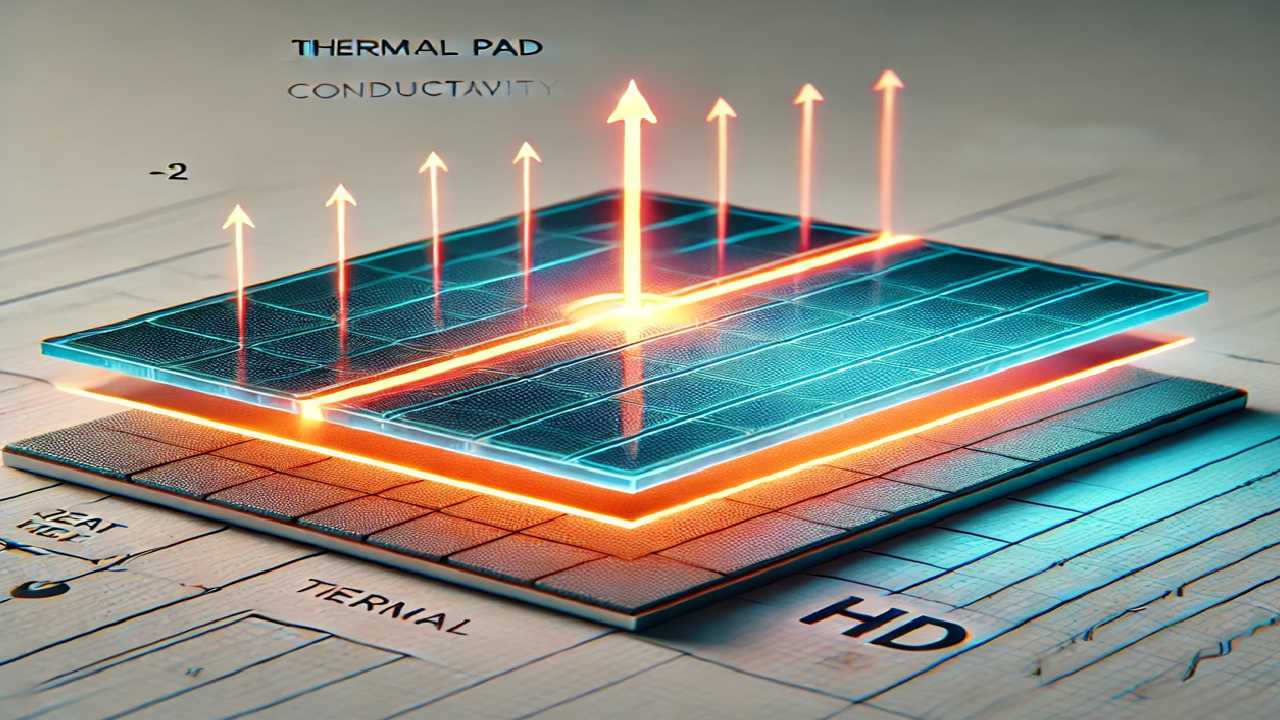
Among these TIMs, thermal pads are the most commonly used across the industry. They are considered reliable, durable, and budget-friendly for most thermal management scenarios. Thermal Pads feature different types based on different thermal conductivity ratios. So today, we will discuss the thermal pads, their types and conductivity ratios in detail.

What is a Thermal Pad?
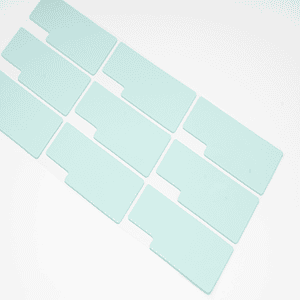
A thermally conductive material made of silicone material along with other conductive fillers. It assists in transferring heat elements from components and fills air gaps efficiently. Thermal pads are commonly used in CPUs, GPUs, and other electronics.
Moreover, thermal pads are soft and flexible ensuring smooth coverage and proper attachment. They are reliable, durable, long-lasting, and easy to apply. Thermal pads have several types, each carries unique cooling features and compatibility.
– Manufacturing Material
- Base Material: Silicone, Polyurethane, and Acrylic.
- Conductive Fillers: Aluminum Oxide, Aluminum Nitride, Boron Nitride, Graphite, Metal.
– Key Features
- Thermal Pad offers thermal conductivity of 1-15 W/mK. (May exceed in some types)
- Thermal Pad offers a wide operating temperature range of -40C to +250 Degrees Celsius.
- Thermal Pad offers anti-vibration & anti-stress capabilities.
- Thermal Pad offers safety against short circuits. (Electrically insulated)
- Thermal Pad is easy to apply & easy to remove.
- Thermal Pad comes in different sizes and shapes.
Thermal Pad Types Thermal Conductivity
a) Silicone-Based Thermal Pads
Definition:
- Silicone-Based Thermal Pads are made of silicone material and other conductive fillers. They are soft, flexible, and the most commonly used type of thermal pads. Silicone pads work efficiently to transfer heat away from components.
Features:
- Silicone-based thermal pads offer a thermal conductivity of 1 to 12 W/mK.
- These pads offer an operating temperature range of -40C to 200 degrees Celsius.
- Silicone pads offer complete electrical insulation which avoids short-circuit damage.
- These pads are reliable, durable, and affordable.
- Silicone pads are soft, flexible, and anti-vibrational.
Suitable for:
- CPUs, GPUs, Consoles, and others.

b) Graphite Thermal Pads
Definition:
- Graphite thermal pads are far famous for offering higher thermal conductivity. These pads act stronger against the heat and transfer it away from components. Graphite pads are made of compressed graphite sheets along with other additives.
Features:
- Graphite thermal pads feature high thermal conductivity of 15 – 60+ W/mK.
- These pads offer an operating temperature range of -50C to 200 degrees Celcius.
- Graphite pads are thin, elastic, and flexible.
- These pads are used for high-end operations.
- Graphite pads are reliable on a long-term basis.
Suitable for:
- VRMs, High-End GPUs, and High-End CPUs.
c) Phase-Change Thermal Pads
Definition:
- Phase-change thermal pads are known for changes in their physical state. These pads remain in default position at room temperature. Similarly, they melt when the temperature exceeds 60 degrees Celcius. Phase change pads also cover the surface gaps efficiently.
Features:
- Phase-change thermal pads offer thermal conductivity of 3 – 10 W/mK.
- These pads feature operating temperatures of -55C to 150 degrees Celcius.
- Phase-change pads are also electrically insulated to avoid short circuits.
- These pads stay in a similar position for a long.
- Phase-change pads cover the microscopic gaps efficiently.
Suitable for:
- Power Electronics, Consoles, and PC/Laptops

d) Ceramic-Based Thermal Pads
Definition:
- Ceramic-based thermal pads are usually made of aluminium oxide, aluminium nitride, and boron nitride. There is no companion of ceramic-based thermal pads for offering durability. Not only that they also have strong abilities to transfer the heat from components.
Features:
- Ceramic-based thermal pads offer thermal conductivity of 3–7 W/mK.
- These pads feature an operating temperature range of -50C to 250 degrees Celcius.
- Ceramic-based thermal pads provide electrical insulation to avoid short circuits.
- These pads don’t contaminate due to environmental impacts.
- Ceramic-based thermal pads feature stability and durability more than other pads.
Suitable for:
- Electronics, Industrial and Medical Equipments.
e) Metal-Based Thermal Pads
Definition:
- Metal-based thermal pads are used for high-end thermal operations. These pads are made of copper, aluminium, and silver materials. Metal pads provide excellent thermal conductivity to dissipate heat and efficiently fill the air gaps.
Features:
- Metal-based thermal pads provide ultra-high thermal conductivity of 10 – 400 W/mK.
- These pads feature an operating temperature range of -50C to 250 degrees Celcius.
- Metal pads usually offer permanent installation with no sudden replacement.
- These pads can be reused without any decrease in performance measurement.
Suitable:
- High-End Gadgets/Devices, Automotive and Electronics Industry.

JiuJu’s Quality Thermal Pads
Quality Thermal Pads is a known title JiuJu owns in the thermal industry. Our thermal pads are used by more than 500 business clients across the globe. We have expertise in manufacturing A+ Thermal Pads providing excellent thermal conductivity.
JiuJu keeps manufacturing standards high and always utilizes upgraded machinery to manufacture thermal interface materials. Not only that, but we also have a skilled workforce, experienced material scientists and the R&D department.
So, businesses can consider JiuJu to purchase quality Thermal Pads without hesitation. We offer wholesale rates and other perks for the ones who prefer bulk buying. Contact our 24/7 customer support team for product counselling and quotation.
Final Verdict
Thermal Pads are undoubtedly a good source of thermal management in various components. They offer high thermal conductivity and efficient filling of microscopic air gaps. Not only that but the thermal pads can last longer without any issues.
One must know the types, thermal conductivity, and compatibility of thermal pads with components. It assists in choosing a suitable thermal pad based on requirements. Some types offer low thermal conductivity like ceramic-based pads suiting moderate level thermal tasks.
Similarly, some types of thermal pads offer high thermal conductivity like metal-based ones that suit high-end thermal management tasks. So, choosing a quality and compatible thermal pad is very important to get the most out of the pads. JiuJu offers one of the finest quality Thermal Pads at Wholesale Rates. Visit the official page to know more.