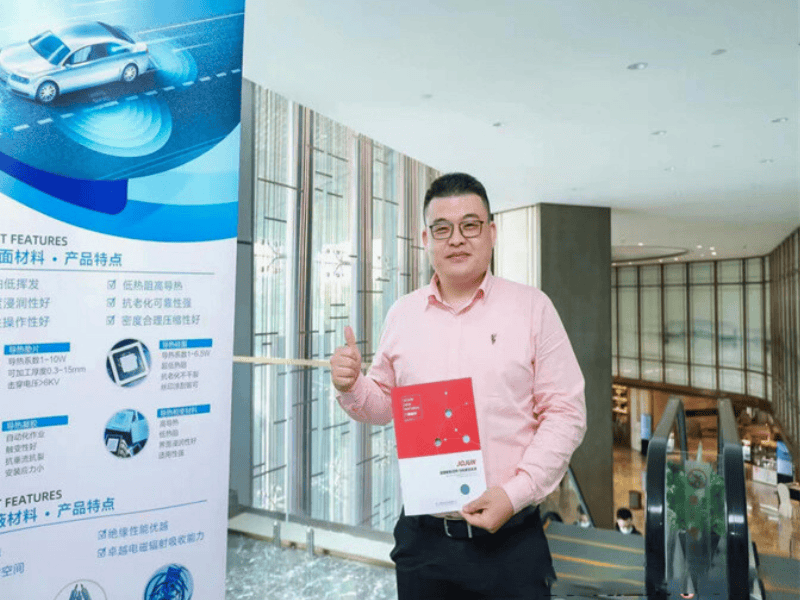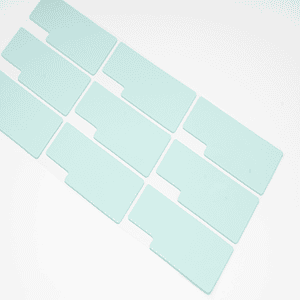

Although “Thermal Gel and Potting Gel” are both thermal interface materials, they include differences in functionalities. Even their names are almost the same as each other. So we opted to choose thermal gel vs thermal potting gel detailed comparison. Where the demand for thermal management solutions has increased, the demand for general information about the products for businesses/users has also increased.
In today’s comparison, we will thoroughly discuss features, differences, advantages/disadvantages, and suitable applications between thermal and potting gel. This comparison guide will help businesses gain a general awareness and a deep understanding of these thermal products. This will help them to choose a suitable thermal product for suitable components. Let’s move toward the core topic now,

Thermal Gel vs Thermal Potting Gel
– Thermal Gel:
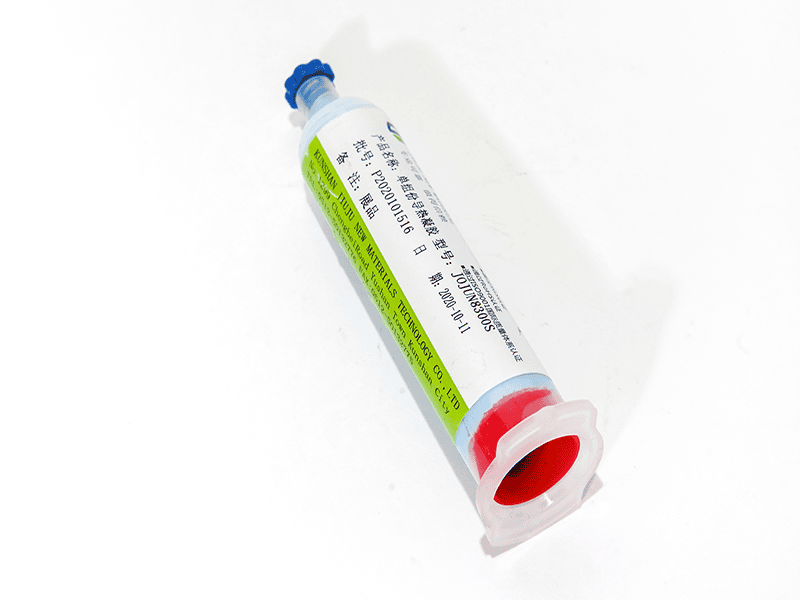
Athermal gel is a soft, gel-like thermal gel thermal interface material that one can use to manage the rising temperature of electronic components. Thermal gel is often silicone-based and contains thermally conductive fillers, such as metal oxides or ceramic powders, to enhance heat transfer between surfaces. It effectively transfers the heat-generating elements between the surfaces, fills the air gaps perfectly, and is considered more advanced than thermal paste. Additionally, thermal gel undergoes a curing process, where it cross-links and forms a stable, durable interface for long-term thermal management.
Key Features:
- It offers thermal conductivity of 1.0 W/mK to 6.0 W/mK.
- It has a more advanced composition than its predecessors.
- Thermal gel formulations often include silicone oil for improved thermal conductivity and flexibility.
- Metal particles or metal oxides are included to further enhance heat transfer.
- It is easy to apply and remove.
- It can be re-used/re-applied when needed.
- It is reliable, durable, and long-lasting.
– Thermal Potting Gel:
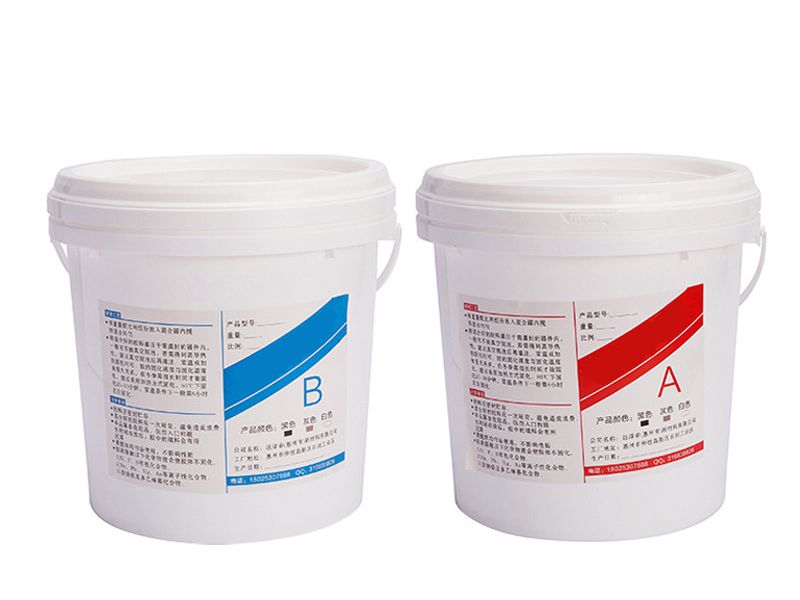
Athermal potting gel is also a heat management solution against rising temps. But it also serves as an encapsulation and protection shield against dust, moisture, water, and fire. Non-silicone formulations of thermal potting gel are available for specific applications, offering alternative material properties. While thermal potting gel is mainly used for encapsulation, thermal putty is another related material designed for gap filling and heat transfer in electronic components. So it serves two features of thermal management and component protection to ensure a longer lifespan.
Key Features:
- It offers thermal conductivity of 0.8 W/mK to 4.0 W/mK.
- It also protects components from dust, moisture, fire, and water.
- Cures in different forms depending upon temperature.
- It is also easy to apply.
- It is also reliable, durable, and long-lasting.
- The correct quantity of potting gel is important for optimal protection and thermal management.
- Thermal potting gel is typically thicker than standard thermal gels or pastes, which aids in encapsulation.
Comparison of Key Features and Thermal Conductivity:
If we analyze the key features of Thermal Gel vs Thermal Potting Gel. Both thermal materials have an edge over each other. The thermal gel offers stronger thermal conductivity than the thermal potting gel. Thermal potting gel delivers less thermal conductivity but stronger protection to components against dust, moisture, and short circuits.
Both thermal gel and potting gel are used to enhance heat transfer between two surfaces, such as a CPU and a heat sink, by filling microscopic gaps. Filling these microscopic gaps is crucial for efficient heat transfer and reducing thermal resistance.
Similarly, the thermal gel is reusable after removal, while the thermal potting gel is not reusable. But again, the thermal potting gel offers a longer lifespan than the thermal gel. Such a comparison concludes that both thermal materials present quality performance and reliability. Preferring a specific one depends upon the requirement of its usage in electronic components.
Applications Compatibility
– Applications of Thermal Gel:
- Thermal Gel is compatible with CPUs, GPUs, and Consoles. It is applied between the CPU (or other heat source) and the heatsink to manage cpu temperature and improve heat transfer.
- Thermal gel serves as a heat sink compound for integrated circuits and chips, ensuring effective thermal management and longevity of electronic devices.
- Precise application of thermal gel is crucial, especially in overclocking scenarios, to ensure optimal thermal conductivity and prevent overheating.
- Screen printing is a common method for applying thermal gel in manufacturing, allowing for consistent and accurate coverage.
- It is used in medical devices like CT-Scan, MRI, and Ultrasound Machines.
- It is also used in Electric Vehicles (Batteries and Lighting Systems).
- The LED lighting system is also equipped with thermal gel for a cooling solution.
– Applications of Thermal Potting Gel:
- Thermal Potting Gel is compatible with electronics like smartphones, tablets, and smartwatches.
- It is also compatible with power modules, inverters, and other sensors.
- It is used in military and aviation equipment.
- It is also used in the medical industry.
- Server machines and telecommunication equipment also use thermal potting gel.
Comparison of Applications:
Both products offer huge compatibility with several components and equipment. Both thermal gel and potting gel are types of thermal compound used for heat dissipation in electronic devices. Some formulations include metal or zinc oxide to enhance thermal conductivity and improve heat transfer between surfaces. A thin application layer is often optimal for effective heat transfer, especially in thin-gap spaces. However, according to figures, the thermal potting gel delivers more variety of compatibility. This is only because of its component’s protection from environmental impacts other than cooling capabilities.
So, we can conclude the comparison here with the fact that thermal gel is used more in common components like PCs, Consoles, and LEDs. The thermal potting gel is used in common and critical components like military/aviation equipment/large data centres.

Lifespan and Maintenance
– Lifespan and Maintenance of Thermal Gel:
Thermal gel stands out for its impressive longevity and minimal maintenance requirements. Unlike traditional thermal grease, which can dry out and lose effectiveness over time, thermal gel offers a non-drying, compressible formulation that maintains excellent thermal conductivity for 5-10 years on average. This stability means that thermal gel continues to deliver reliable thermal performance, even in high temperature and high humidity environments. Its resistance to moisture and temperature fluctuations ensures that it can dissipate heat efficiently, reducing the need for frequent reapplication or replacement. For applications where consistent heat transfer and long-term reliability are essential, thermal gel is a superior choice over standard thermal grease.
– Lifespan and Maintenance of Thermal Potting Gel:
Thermal potting gel, a specialized thermally conductive gel, is engineered to encapsulate and protect electronic components while providing good thermal conductivity. With a typical lifespan of 5-10 years, thermal potting gel is highly resistant to degradation from heat, moisture, and vibration. Its ability to fill microscopic air gaps and maintain a stable interface between components ensures that heat is transferred away from sensitive electronics, minimizing the risk of overheating. The robust nature of thermal potting gel makes it suitable for demanding environments where components are exposed to harsh conditions, and where long-term, maintenance-free operation is a priority.
Comparison of Lifespan and Maintenance:
When comparing thermal gel and thermal potting gel to traditional thermal grease, the difference in longevity and reliability is clear. While thermal grease typically lasts only 1-3 years before requiring replacement, both thermal gel and thermal potting gel offer extended service lives of up to a decade. Their non-drying, compressible properties mean less maintenance and fewer interruptions for reapplication. For users with specific requirements for high thermal conductivity and long-term thermal performance, choosing gel and thermal potting solutions from reputable manufacturers like JiuJu ensures optimal results and peace of mind.
Prices and Availability
– Prices and Availability of Thermal Gel:
Thermal gel is generally positioned as a premium thermal interface material, with prices starting around $10 per gram—higher than most thermal grease options. However, the investment is justified by the gel’s excellent thermal conductivity, longer lifespan, and reduced maintenance needs, making it a cost-effective solution over time. Thermal gel is widely available from reputable manufacturers such as JiuJu, and can be purchased in a range of quantities to suit both small-scale and bulk requirements. Pricing can vary based on the quality, brand, and specific performance characteristics, with high-performance thermal gel designed for demanding applications typically commanding a higher price. Despite the initial cost, the ability of thermal gel to dissipate heat efficiently and deliver reliable thermal performance makes it a popular and practical choice for critical thermal management needs.
Advantages & Disadvantages:
– Advantages of Thermal Gel:
- Thermal Gel features higher thermal conductivity.
- It is a budget-friendly thermal product.
- It is easily available in the market on demand.
- It fills up air gaps efficiently.
– Disadvantages of Thermal Gel:
- It becomes dry over a period.
- It easily catches dust and other particles.
- It does not work well with components producing higher vibrations.
– Advantages of Thermal Potting Gel:
- Thermal Potting Gel offers moderate heat conductivity.
- It protects from environmental factors.
- It also protects components from vibration and shocks.
- It is compatible with a variety of components.
– Disadvantages of Thermal Potting Gel:
- It is a costly option as compared to other thermal products.
- It is difficult to remove and can’t be reapplied.
- It takes more time to cure.
Comparison of Advantages/Disadvantages:
Again the comparison of thermal gel vs thermal potting gel indicates that both perform parallel. One is expensive but offers a longer lifespan, similarly the other features higher thermal conductivity but lacks environmental safety for components.
So we can consider the results tied here, but with a highlighted fact that, if there is a need for thermal conductivity only. The thermal gel would perform better, while in the case of required thermal conductivity plus encapsulation thermal potting gel would perform better.

– Where to Choose Thermal Gel:
- Where one needs only an efficient thermal conductivity.
- Where one needs reusability.
- Where one is considering a low-budget product.
– Where to Choose Thermal Potting Gel:
- Where one needs thermal conductivity plus protection of components.
- Where one needs a thermal product with a higher lifespan.
- Where one needs application on critical components with no risk factors.
Jiuju as Your Thermal Management Partner
Businesses and consumers who are looking for a reputable and quality thermal manufacturer should consider JiuJu, a reputable manufacturer known for its high quality and reliability in thermal interface materials. JiuJu has a renowned reputation in the market and a core speciality in manufacturing products like Thermal Paste, Thermal Pads, Thermal Gel, Thermal Potting Gel, Thermal Tapes, and many other Thermal Adhesives. For guidance on selecting the best thermal pad manufacturer, you can refer to their comprehensive guide.
JiuJu always offers its customers affordable rates, fast/secure delivery, and 24/7 customer support. Not only that, but they also provide pre/post-product counselling. Businesses approaching JiuJu with bulk orders can get the products at wholesale rates. So, JiuJu always welcomes its clients for a successful and long-term collaboration.
If we review the operational activities at JiuJu. There is the use of the latest machinery, tons of monthly productions, an experienced team of manufacturers, and an organized storage/transportation system. The required certifications concerning production and environmental factors are also marked green.
Reach out to JiuJu with your requirements and get quotations for the thermal products.
Summary
Choosing a working option from this comparison of thermal gel vs thermal potting gel depends upon the needs and specifications of one’s components. Both are manufactured focusing on the core needs of users. An appropriate level of knowledge and awareness can help users to adopt a suitable product.
Results are considered tied, as each performs parallel and well in its domain. Moreover, this comparison guide is enough for businesses/consumers to decide which product suits their requirements.
After choosing the product, don’t forget to visit JiuJu’s official page to order your product at afford