If you have ever touched the metal top of a CPU after a long session and wondered how the system keeps itself together, the answer usually comes down to a thin layer of material that helps move heat out of the way. Thermal interface materials sit quietly between a processor, a heatsink, and the nearby components, filling the tiny spaces that ordinary metal surfaces simply cannot manage on their own. Most people start out with thermal paste, although it is far from the only option available.
In this article, we take a slow walk through the alternatives people rely on today, from thermal pads to thermal gel and a few less familiar choices. The goal is simple. By the end, you should feel comfortable deciding which material makes sense for your PC, not just in theory but in everyday use.
What Does Thermal Paste Actually Do?
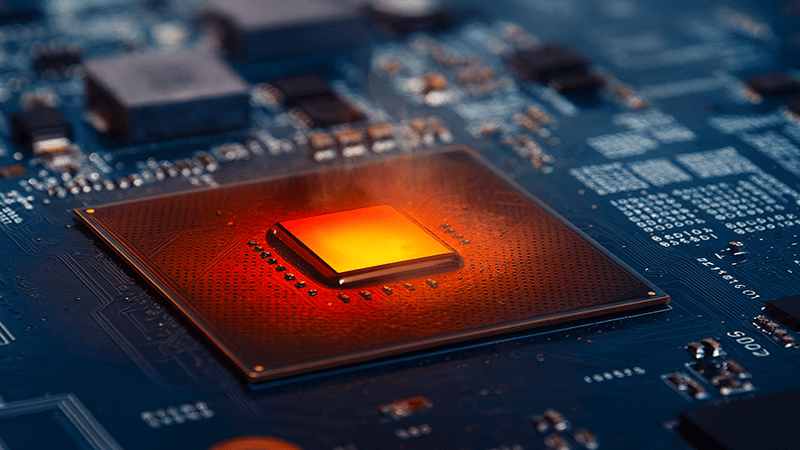
The role of thermal paste becomes clear the moment you look at the contact point between a CPU and its heatsink. A CPU and a heatsink never sit perfectly flat, even if they appear polished. Air slows heat movement, so the processor warms up faster than expected.
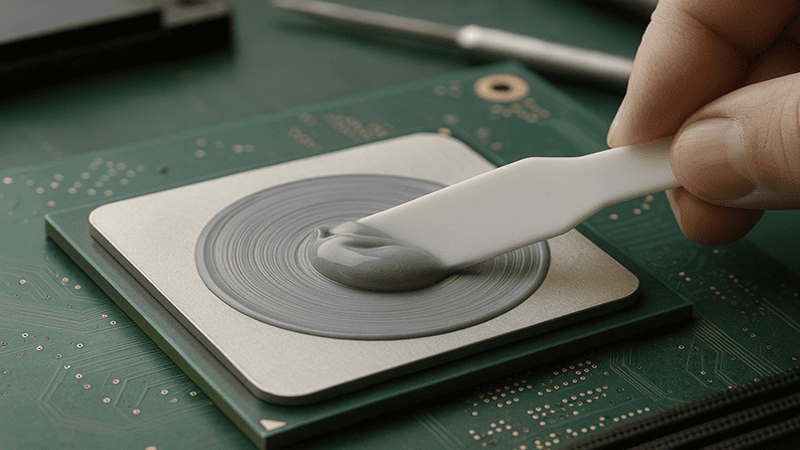
Thermal paste creates a more complete contact layer that helps move heat away from the processor. A proper layer keeps nearby components within safe temperatures, lowering the risk of throttling or sudden spikes. Even a small drip placed correctly can solve minor contact issues that are not obvious at first
People sometimes look for an alternative for reasons that have nothing to do with performance. A tube of thermal paste can dry out on the shelf. It can be a bit messy during installation. Some simply prefer a material they can place once and forget about. Whatever the reason, understanding this basic job makes it easier to choose whatever solution feels right for your own PC.
Understanding Thermal Conductivity in Cooling Materials
Cooling a CPU seems straightforward until you look closely at how heat actually moves through the layers inside a computer. The idea behind thermal conductivity is simple. Every material carries heat at its own pace, and the goal of a cooling setup is to pull that heat away from the processor before nearby components start to struggle. Metal moves heat quickly. Air does not. That contrast shapes everything happening inside a working system.
The real challenge appears where two metal pieces meet. Even a clean surface carries tiny imperfections that are nearly invisible. If too much of the contact area is filled with air, the cooler has to work much harder than it should.
To grasp why this matters, it helps to look at the smaller details that influence heat movement.
Key Factors That Affect Cooling Efficiency
- How smooth the contact surface is on each side
- Whether gaps are fully filled to keep air out
- The mounting pressure between the cooler and the processor
- The ability of the cooler to handle rising temperatures
These checks help you understand what is really limiting your cooling, so you can choose the right material with confidence.
Exploring Thermal Paste Alternatives in 2025
As soon as you consider what else is available beyond traditional paste, you quickly discover that you have a handful of other ways to move heat away from a CPU and into the heatsink. None of these options are complicated, but each has its own personality, shaped by the type of material used and the kind of components it works best with. Some people choose an alternative because they prefer a cleaner setup. Others simply like knowing they can install something once and forget about it for a long stretch.
Instead of treating every option as if it were part of a strict list, it is easier to think of them as different approaches to filling tiny gaps and improving heat transfer inside a computer. A few are soft and flexible, a few arrive in a tube, and one or two hold everything together in a more permanent way.
We’ll walk through each type in a way that mirrors how you would encounter them in real builds, from the simplest sheet-style choices to the more specialized compounds that appear in tighter spaces or older hardware.
Thermal Pads
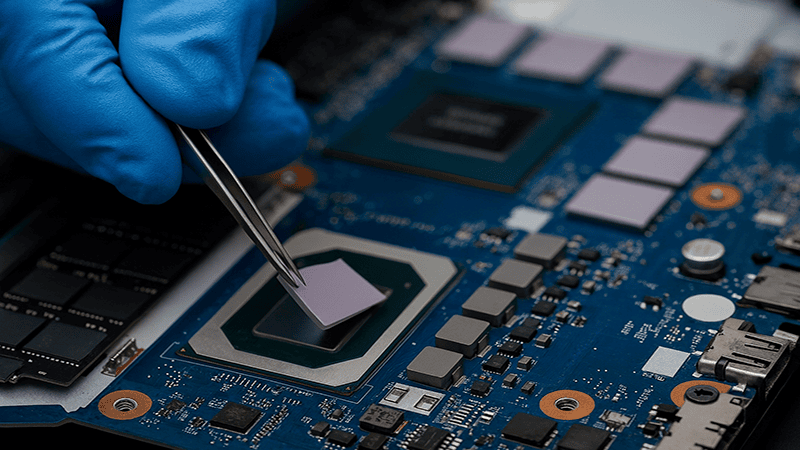
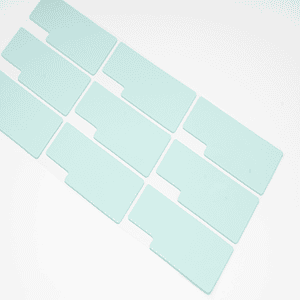
If you have ever opened a laptop or a game console, you have probably seen thermal pads without realizing what they were. They look like simple soft squares, almost like craft material, yet they play a steady role in guiding heat from a CPU, GPU, or memory module into the heatsink. Instead of spreading the way paste does, a pad sits between the two parts and evens out areas where the surfaces don’t fully meet. Once pressure is applied, the pad settles in place and creates a consistent path for heat transfer without making a mess.
Pads appeal to people for practical reasons. They come in different thickness levels, they can be trimmed with a small piece of paper underneath to keep the edges neat, and they stay put even if the system is moved around.
What are The Practical Benefits of Using Pads?
- Easy to position on a wide range of surfaces
- Helpful for spots where pressure is not perfectly even
- A good alternative when you want clean installation
- Often more affordable and widely available as other alternatives
Thermal pads are not a universal solution, but they do a steady, reliable job in everyday systems.
Thermal Gel
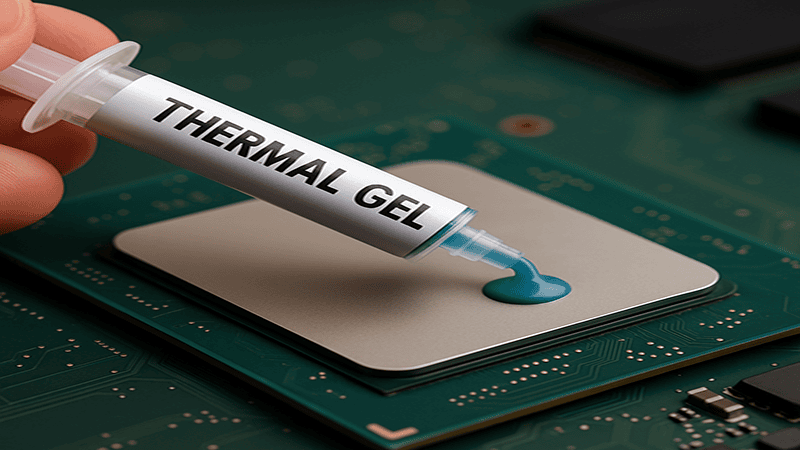
Thermal gel sits in a space that feels familiar to anyone who has handled thermal paste, but the texture and behavior are noticeably different. Instead of relying on firm pressure to spread, the gel arrives in a soft, almost liquid form that flows gently into the small gaps between a CPU and a heatsink. Many people appreciate that this happens with very little mess, especially when working near sensitive components.
Researchers have examined how thermal gels behave under real load, and the results vary by formulation. Most soft gels fall in the 1 to 8 W/m·K range, while higher values (10–12 W/m·K) appear only in more specialized, heavily filled materials. The studies note that thinner gels tend to settle quickly into uneven areas, whereas thicker versions hold their shape better when mounting pressure is inconsistent.
For users who want an alternative that feels predictable during installation and performs steadily under everyday heat, thermal gel remains a practical choice. In many systems, including some servers, tablets, and embedded designs, gel or soft silicone-based grease is used in place of paste because it settles evenly and maintains contact over repeated heat cycles.
Household Items People Sometimes Try as Substitutes
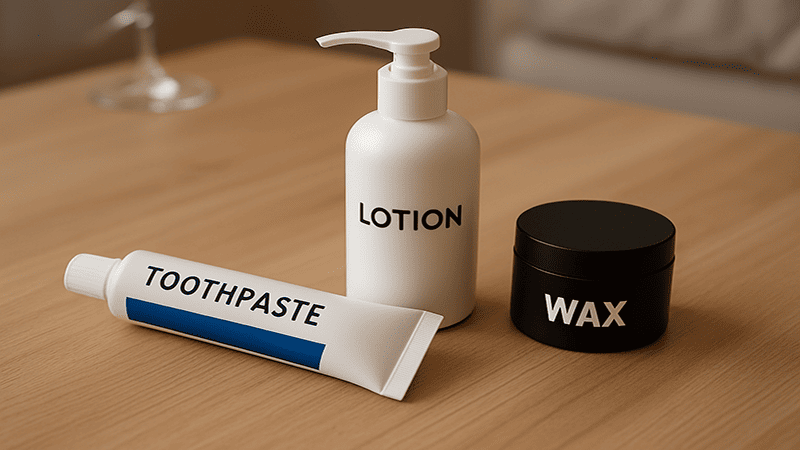
When someone is midway through a repair and realizes the thermal paste is gone, the temptation to improvise becomes very real. Most of what people reach for comes from curiosity or frustration rather than logic, and although some of these ideas appear in online tests, they rarely stay stable once the components warm up. Below are a few of the household other substitutes that get mentioned most often, and why none of them are a good substitute for proper TIMs.
Common Improvised Materials
- Moisturizing cream
It spreads easily, so people assume it might fill small gaps. The problem is its composition. Cream separates under heat, dries out quickly, and can leak onto underlying electronics.
- Hair wax
Wax feels thick and stable at first, but once temperatures rise, wax begins to soften and melt. That creates pockets of air and leaves residue on the surface of two components that should stay clean.
- Toothpaste
Toothpaste looks a little like thermal paste, which explains why people reach for it in a hurry. It spreads easily at first, and its initial thermal conductivity is better than air, so a system may run for a short time. The issue is that it dries very quickly. Within minutes or hours it stiffens, and within a couple of days it turns into a brittle layer that traps air and loses any cooling effect. Tests often reference this fast breakdown, and once it happens, the cost to nearby components can be higher than people expect because the dried layer cracks under heat.
Household substitutes are fine to read about, but they are never a long-term solution. At best they work for a brief course of time before failing completely.
Comparison Table: Thermal Pads vs Thermal Gel vs Thermal Paste vs Silicone Grease
| Material | Thermal Conductivity Range | Advantages | Disadvantages | Durability / Longevity | Best For |
|---|---|---|---|---|---|
| Thermal Paste | About 4 to 12 W/m·K depending on filler and grade | Excellent at filling microscopic gaps, strong overall performance, widely available | Can dry out with long heat cycles, can be messy during application, usually needs to be replaced eventually | Moderate. It slowly loses effectiveness because of heat cycles and pump-out | Standard desktop CPUs, GPUs, and most everyday PC builds |
| Thermal Pads | About 1 to 6 W/m·K | Clean installation, consistent thickness, ideal for uneven or low-pressure mounts, no mess | Lower performance than paste or gel, thickness limits heat flow | High. Pads stay stable for several years | Laptops, VRMs, memory modules, compact systems |
| Thermal Gel | About 1 to 8 W/m·K for soft gels and up to 10 to 12 W/m·K for more specialized versions | Flows into small gaps with ease, reduces trapped air, more stable than paste under repeated heat cycles, easy to apply | Can shift if too much is used, can move slightly under heavy pressure | High. It stays pliable and performs consistently for a long period | Servers, tablets, embedded designs, and surfaces where mounting pressure is uneven |
| Silicone Grease | About 0.7 to 3 W/m·K | Very stable, budget friendly, does not dry quickly, good for large and flat contact areas | Lower thermal performance, more difficult to clean, thicker to spread | Very high. It holds up extremely well over time | Industrial equipment, power supplies, older heatsinks |
Choosing the Right Cooling Material With Support From JiuJu
Cooling challenges rarely look the same from one system to another, and that is why JiuJu focuses on helping users find materials that genuinely match their situation. Some people prefer a good quality thermal paste, while others lean toward pads, gel, or even traditional silicone grease when an older heat sink needs something slightly thicker. In tighter layouts, a more solid compound or familiar grease can make installation cleaner and improve transferring heat between the surface and the cooler.
JiuJu provides a full portfolio of thermal management solutions, including thermal paste and every major thermal paste alternative along with advanced materials designed for durability, performance, and long-term longevity. Our team can review your layout, the mounting pressure, and how your components behave under load, then guide you toward the material that will fill gaps effectively and keep temperatures stable over time.
If you would like scenario-specific guidance or help selecting the right material, you are welcome to contact us anytime.
FAQs
Is toothpaste a good alternative to thermal paste?
No. Toothpaste dries quickly, traps air, and breaks down under heat, which can raise CPU temperatures and leave residue on underlying electronics.
Can I use thermal pads and thermal paste together?
It is not recommended. Pads have a fixed thickness, and mixing them with paste prevents even contact between the surface and the heat sink.
How do I know which thermal paste alternative to choose?
Check the contact pattern on the cooler, watch sensor readings under load, and consider the layout of your components. Pads work well for gaps, gel helps reduce air bubbles, and paste fits most standard setups.