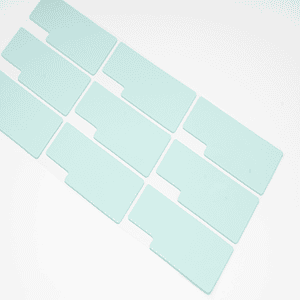

When it comes to thermal pads vs thermal paste, both get the job done, but they are not the same thing, and using the wrong one for your situation can make a real difference.
Think of it like choosing between a bandage and stitches. One is quick and easy, the other takes more effort but holds better under pressure. Which one you need depends on what you are working with and how much time you want to spend on it. That is exactly what we are going to break down for you.

Understanding Thermal Interface
Electronic hardware relies on a thermal interface to move heat away from active parts into heat sinks that can disperse it. This contact layer matters because metal surfaces are never perfectly flat, even after machining.
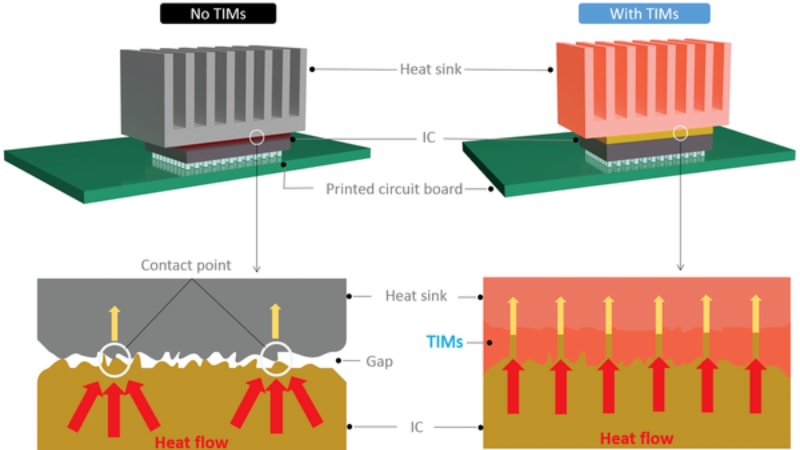
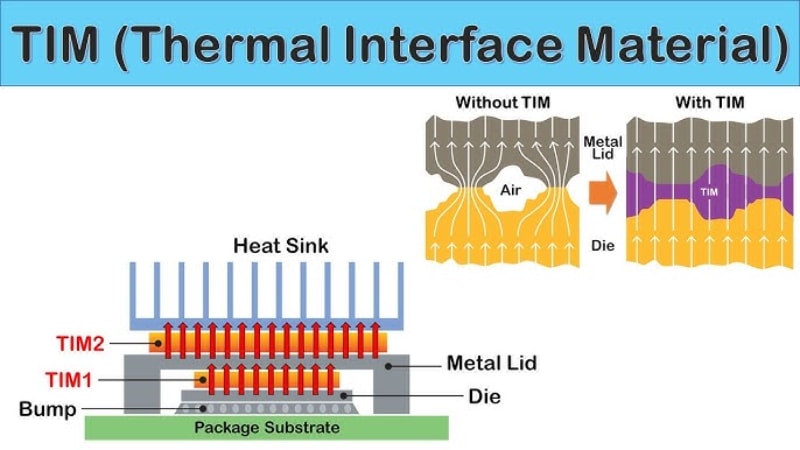
A thermal interface material replaces trapped air with a solid path for heat, allowing higher thermal conductivity across the joint. Poor contact limits heat flow and places added strain on heat sinks over time.
Both pads and paste serve as a thermal interface material, but each behaves differently under pressure and temperature changes. The right thermal interface material depends on the device, the mounting method, and the demands placed on heat sinks during normal use.
Thermal conductivity plays a central role when processors or power components operate close to their design limits. Higher thermal conductivity supports faster heat movement into heat sinks without relying on excessive mounting force. Electrical isolation, thickness tolerance, and installation effort also influence the final choice.
Application quality has a direct effect on results. Too much compound, uneven pressure, or misaligned pads can reduce thermal conductivity instead of improving it. Careful placement of the thermal interface material supports consistent heat transfer and helps avoid overheating during long operating periods.
Thermal Interface Materials
Thermal interface materials sit between hot components and cooling hardware to help move heat away at a steady rate. Their main task is to improve contact where metal surfaces fall short. Air pockets slow heat movement, so a thermally conductive material takes their place and forms a better path into heat sinks.
Many of these materials rely on silicone bases mixed with ceramic fillers or metallic oxides. These blends support strong heat transfer while also offering electrical insulation.
That balance matters in compact electronics where parts sit close together and heat loads stay high. Selecting the right thermally conductive material depends on operating temperature, mounting pressure, and service intervals.
Thermal pads come as solid sheets cut to size. Their fixed thickness helps spread pressure evenly across fragile components. Pads suit applications where consistency matters or where repeated removal could damage parts. They also reduce mess during installation and cleanup.
Thermal paste behaves differently. Unlike thermal paste alternatives that stay solid, paste flows under pressure and fills microscopic gaps. A thin layer usually performs better than excess compound.
Paste works well on uneven surfaces and can handle high heat loads. Some users replace thermal paste during routine maintenance to maintain steady contact over time.
Thermal Conductivity and Performance
Thermal conductivity determines how well a cooling setup performs. It describes how quickly heat moves through a material from one surface to another.
In electronics, that movement decides how fast heat leaves heat generating components and reaches heat sinks designed to release it into the surrounding air. Materials with higher conductivity move heat with less resistance. That difference shows up during heavy workloads, long gaming sessions, or sustained industrial use.
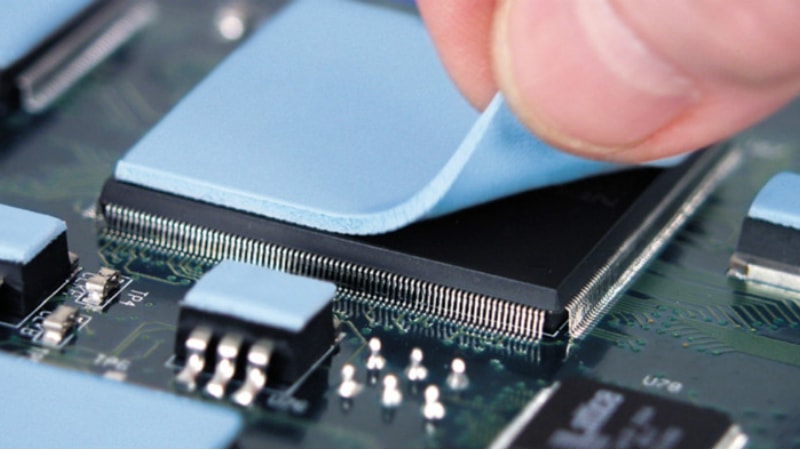
Thermal pads and compounds with stronger heat conductivity allow heat dissipation to happen sooner, which keeps operating temperatures lower and more stable. Lower resistance also reduces hot spots that shorten component lifespan.
Numbers help put things in perspective. Thermal conductivity is measured in watts per meter kelvin. A higher value means heat travels faster through the material.
Even small differences matter once systems run close to their limits. A pad rated at a lower value may work fine for modest devices, while demanding hardware often needs a stronger option to maintain reliable thermal performance.
Conductivity alone does not decide the best choice. Electrical insulation matters when components sit close together. Installation style plays a role too, since some setups favor simple placement over careful spreading. Cost also enters the picture, especially for large scale builds or frequent replacements.
Thermal Pads and Irregular Surfaces
Thermal pads work well when surfaces do not line up perfectly. Many heat sinks and electronic components have minor height differences, slight warping, or uneven mounting areas. Paste can struggle in these cases, especially when pressure varies across the surface.
Pads compress to match those inconsistencies. That compression improves surface contact and reduces air gaps that trap heat. The result is steadier heat flow across the entire contact area instead of isolated hot spots.
Common reasons thermal pads suit uneven surfaces include:
- Fixed thickness options that compensate for height differences between electronic components
- Soft structures that adjust to surface texture without spreading or dripping
- Even pressure distribution that protects fragile chips and solder joints
- Reduced risk of trapped air gaps across larger contact areas
- Cleaner installation compared to compounds on rough or stepped surfaces
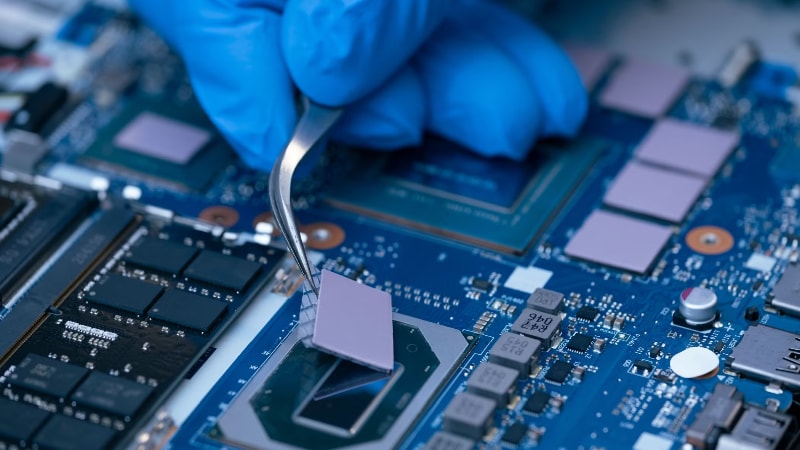
Pads also come in a wide range of thicknesses. Thin versions suit tightly machined parts, while thicker pads handle taller components or recessed heat sinks.
When surfaces vary, pads often deliver better heat transfer through consistent coverage rather than perfect flatness. That reliability makes them a common choice in power electronics, memory modules, and industrial hardware where surface uniformity cannot be guaranteed.
Advantages and Disadvantages of Thermal Pads
Thermal pads remain a common choice in many cooling setups because they simplify installation and reduce handling errors. Still, they come with trade-offs that matter depending on the hardware and operating conditions. A balanced look helps you get what you require from a thermal pad.
Advantages of thermal pads
- Simple placement without spreading, curing, or cleanup during installation
- Consistent thickness that supports even pressure across sensitive components
- Reliable surface contact on uneven or stepped mounting areas
- Lower risk of mess compared to compounds during replacement or inspection
- Useful for grouped electronic components that share a single heat sink
Disadvantages of thermal pads
- Lower thermal conductivity compared to many high grade pastes
- Higher cost per unit, especially for larger pads or specialty materials
- Gradual wear when exposed to repeated heating and cooling cycles
- Limited reuse once compressed, which affects long term service routines
- Reduced performance in tight tolerance setups that demand minimal thermal resistance
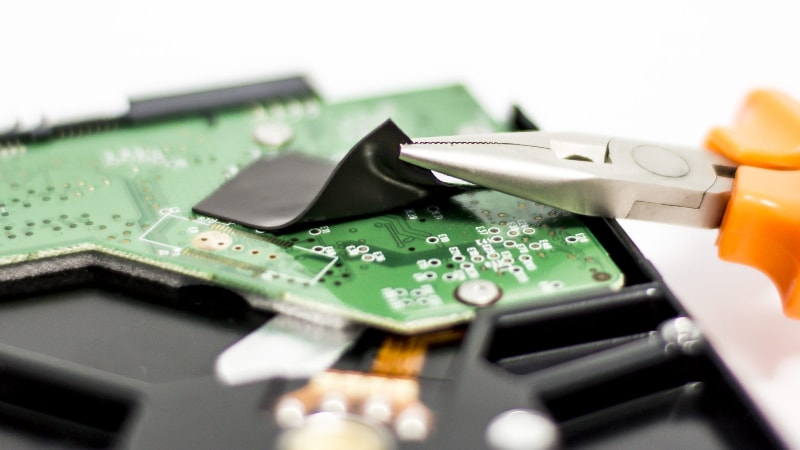
Despite these drawbacks, thermal pads continue to see wide use. Their convenience appeals to system builders, manufacturers, and technicians who value consistency and speed.
Application Mistakes to Avoid
Applying thermal interface materials takes more care than many people expect. Too much thermal paste remains one of the most common problems. Excess material spreads beyond the contact area and can trap heat instead of moving it away. Uneven coverage creates similar trouble, since gaps form where heat builds up and stresses nearby parts.
Surface preparation matters just as much. Old residue, dust, or oils interfere with contact and reduce heat flow.
Cleaning both surfaces with the right solvent and allowing them to dry fully supports better results. Alignment also deserves attention, since shifting a heat sink after placement can break contact and introduce air pockets.
A measured approach leads to stronger outcomes. The right amount, even placement, and proper preparation support stable temperatures during operation. Care at this stage helps avoid overheating issues that often appear long after installation seems finished.
Pads vs Other Thermal Solutions
Thermal pads sit alongside several other thermal interface options, each built for different needs. Thermal paste, thermal tape, and phase change materials all serve as gap fillers. However, their behavior under pressure and heat varies.
Application method, service intervals, and operating limits often guide the final choice, especially in systems exposed to higher temperatures. The following table will help you in this regard.
| Solution | Typical Use | Strengths | Limitations |
|---|---|---|---|
| Thermal pads | Consumer electronics, power modules | Simple installation, fixed thickness, even pressure | Lower performance than paste in tight tolerance setups |
| Thermal paste | CPUs, GPUs, performance systems | Excellent surface coverage, low thermal resistance | Messy application, requires careful spreading |
| Thermal tape | Small devices, lightweight assemblies | Adhesive backing, quick mounting | Limited heat handling, reduced longevity |
| Phase change materials | Industrial and aerospace systems | Stable behavior under heat cycling | Higher cost, specific mounting needs |
Thermal pads stand out for consistency and ease, which explains their widespread use. Other solutions suit cases where heat loads rise, tolerances tighten, or maintenance schedules allow more involved handling.
Custom Thermal Solutions
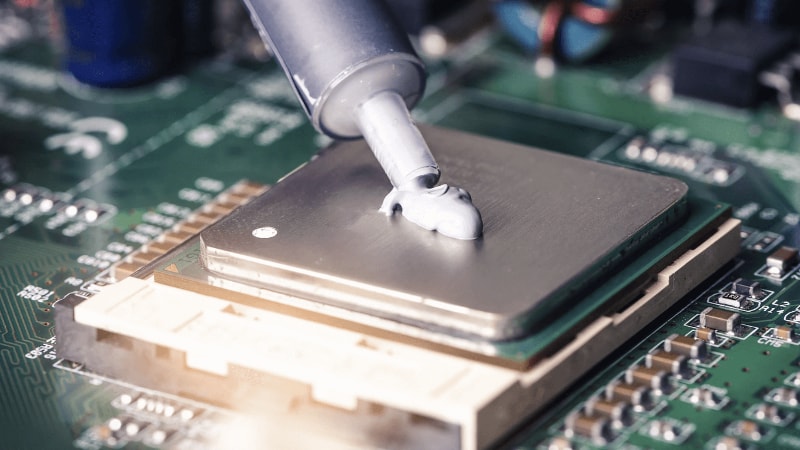
Some projects push beyond off-the-shelf options. Tight packaging, unusual shapes, high power density, or strict safety rules can call for custom thermal solutions built around the exact demands of the system.
Custom solutions allow engineers to balance thermal performance with electrical insulation, installation speed, material thickness, and budget limits. Pads, pastes, gels, or phase change materials can all play a role, depending on how heat must move through the assembly.
Working with an experienced supplier simplifies this process. Providers like JIUJU, known for polymer thermal material modification technology, support custom development across electronics, automotive systems, battery packs, and industrial equipment. Our material range covers wide conductivity values, long service life, and fast turnaround for tailored designs.
Thermal Interface Materials in Practice
Thermal interface materials appear across many industries, from laptops and gaming rigs to industrial power modules and aerospace systems. Here are some key applications and benefits of thermal interface materials:
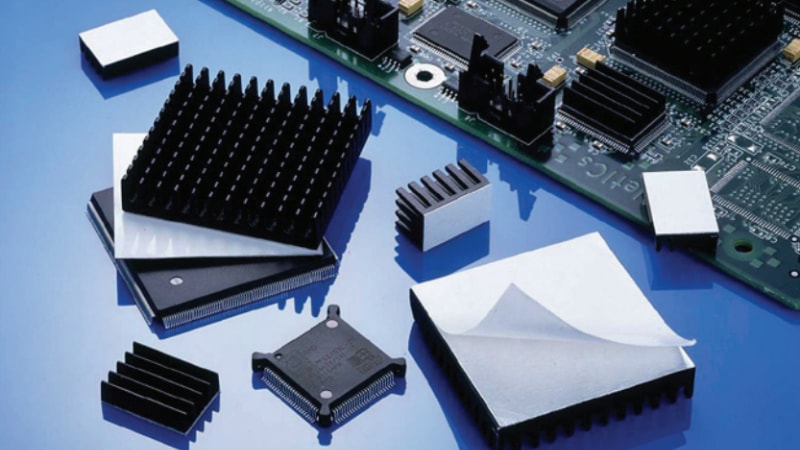
- Fill microscopic imperfections between surfaces, ensuring steady heat flow and reducing hot spots
- Bridge large gaps where standard metal-to-metal contact would leave air pockets, improving thermal conduction
- Maintain lower temperatures for processors, GPUs, and other heat generating components under heavy load
- Support even pressure distribution across sensitive electronic components, preventing mechanical stress
- Enhance heat dissipation in compact or high-density assemblies where airflow alone is insufficient
- Extend the life of devices by preventing overheating and thermal cycling damage
Proper selection and careful application keep thermal interface materials performing as intended. As electronics become smaller, faster, and more powerful, these materials remain essential for maintaining stable operation.
Ready to Choose the Right Thermal Interface Material?
Thermal pads and thermal paste each offer unique benefits for moving heat away from electronic components. Pads provide consistent thickness and even pressure, making them well suited for small chips and uneven surfaces. Paste fills microscopic imperfections, delivering higher thermal performance under heavy load.
The choice depends on component size, heat sink type, and operating conditions. Small chips often gain more from pads because of their uniform coverage, while high performance processors require paste to maintain lower temperatures during intense workloads.
Selecting the right thermal interface material and applying it carefully helps devices run reliability and maintain stable performance over time. Take your time to decide at this stage to extend the life of your electronic components.