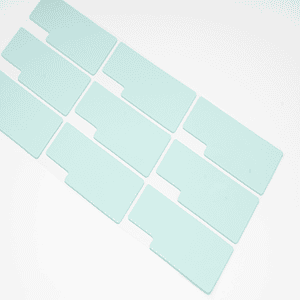

Thermal interface materials manage heat in modern electronics. Devices like processors, power modules, and batteries generate significant heat during operation. A battery thermal interface material helps transfer that heat away from sensitive components, preventing overheating and maintaining stable performance.
These materials fill tiny gaps between surfaces, improving contact and increasing thermal conductivity. Effective heat transfer not only keeps devices running efficiently but also extends their lifespan.
The choice of the right TIM can directly influence device reliability, performance consistency, and long-term durability. It’s important to understand the function of TIMs and how they impact heat dissipation. Let’s explain their role in electronics cooling and performance.
2. Types of Thermal Interface Materials
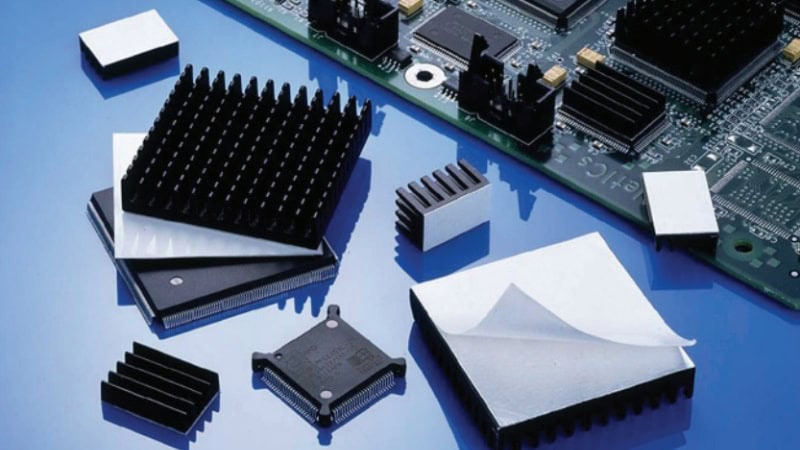
It’s important to choose the right thermal interface materials for effective heat dissipation in electronics. Materials differ in composition, application, and thermal performance, and selecting the correct type can reduce thermal resistance between components and heat sinks.
The common options of thermal interface materials are thermal grease, thermal pads, phase change materials, thermal gap fillers, thermal solder, thermal epoxy adhesives, and pressure-sensitive adhesives. Let’s discuss them in detail.
2.1 Thermal Greases & Pastes
Thermal grease is a soft, paste-like thermal interface applied between a chip and a heat sink. Its main purpose is to fill microscopic air gaps, reducing thermal resistance and improving heat transfer.
Thermal paste works best when components require frequent service or when the surfaces are irregular. It adapts to small surface imperfections and maintains high thermal conductivity under moderate loads. If these are not your requirements, you can opt for thermal paste alternatives.
- Pros: Excellent thermal conductivity, flexible application, easy removal
- Cons: Can pump out over time, requires careful application
2.2 Thermal Gap Fillers
These materials are thicker, softer compounds that fill larger gaps between devices and heat sinks. They often have moderate thermal conductivity and lower thermal resistance than air alone.
Gap fillers are suited for power modules, LED assemblies, and other components where surfaces cannot make perfect contact. They maintain thermal performance under compression and vibration.
2.3 Thermal Epoxy Adhesives
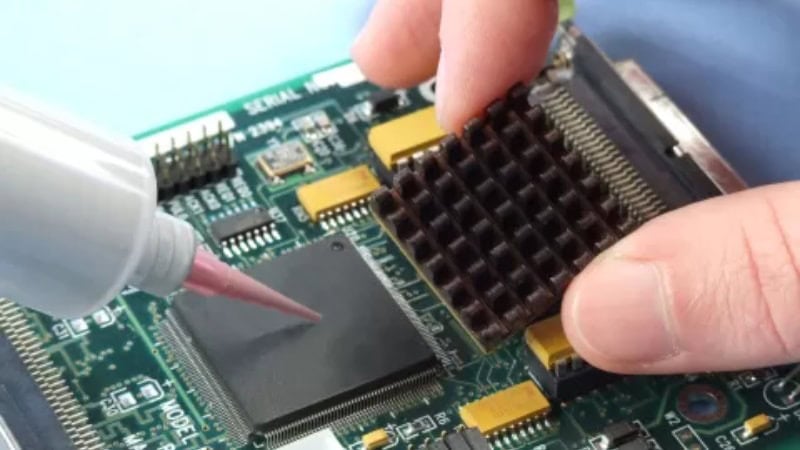
Thermal epoxy adhesives provide strong bonding between electronic components and heat sinks, creating a permanent thermal interface. They offer good thermal conductivity and maintain stable thermal performance even under high operating temperatures. This makes them useful for applications where vibration or movement could otherwise compromise contact.
One tradeoff of thermal epoxies is that the bond is permanent, which can complicate maintenance or replacement of components. Engineers often use them in modules where long-term reliability outweighs the need for disassembly.
2.4 Thermal Solder
Thermal solder is used to join high-power devices directly to heat sinks or copper substrates, forming a solid metallic connection that efficiently moves heat. It provides exceptionally high thermal conductivity and low thermal resistance, which makes it suitable for CPUs, power transistors, and LED assemblies.
Soldered connections handle elevated thermal loads better than softer thermal interfaces and are ideal when heat dissipation is critical. The main limitation is permanent attachment, which requires careful planning during assembly and limits service options.
2.5 Phase Change Materials (PCMs)
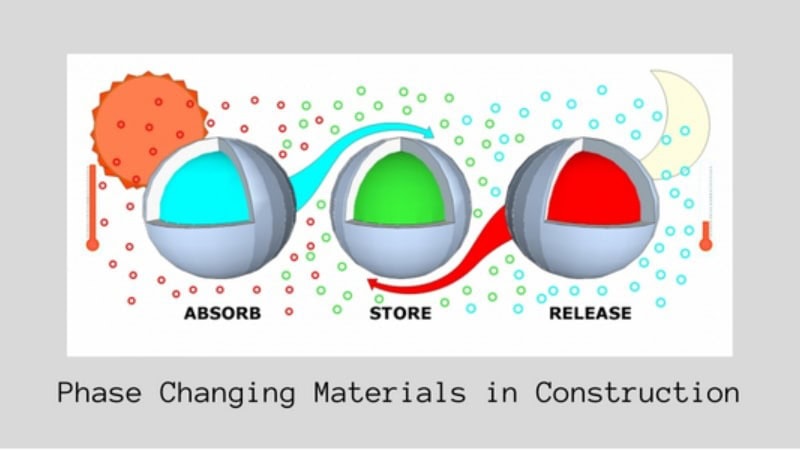
Phase change materials soften when a specific temperature is reached, filling microscopic gaps between a component and a heat sink. This behavior reduces thermal resistance compared with solid pads or air gaps and improves overall heat transfer.
PCMs are particularly effective in systems with fluctuating thermal loads because they adjust to surface irregularities as the device warms. Benefits include:
- Lower thermal resistance than static pads in dynamic conditions
- Better contact with uneven surfaces, improving heat dissipation
- Stable thermal performance over repeated temperature cycles
2.6 Thermal Tapes & Pressure Sensitive Adhesives
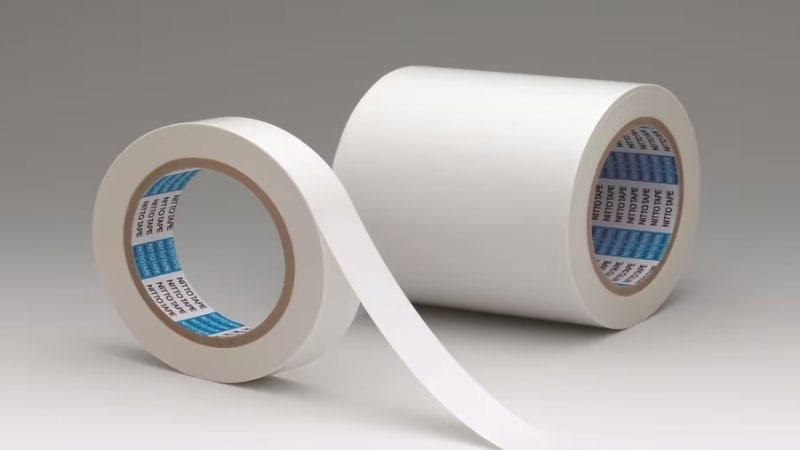
Thermal tapes and pressure-sensitive adhesives provide a simple method to attach components to heat sinks while maintaining moderate thermal conductivity.
They are easy to handle and reduce assembly time, making them suitable for compact devices where mechanical fasteners may not fit. Key features include:
- Consistent thickness for reliable thermal interface
- Conforms to irregular surfaces to improve heat transfer
- Offers moderate thermal performance while simplifying installation
2.7 Thermal Interface Pads
Thermal pads are pre-formed solids that sit between devices and heat sinks, providing a stable thermal interface without mess. They are easy to apply and replace, making them suitable for serviceable electronics.
Compared with thermal grease and gap fillers, pads offer slightly lower thermal conductivity but maintain consistent thickness and lower thermal resistance than air. They work well for components that require repeatable assembly and moderate heat dissipation.
3. Key Performance Metrics for Thermal Interface Materials
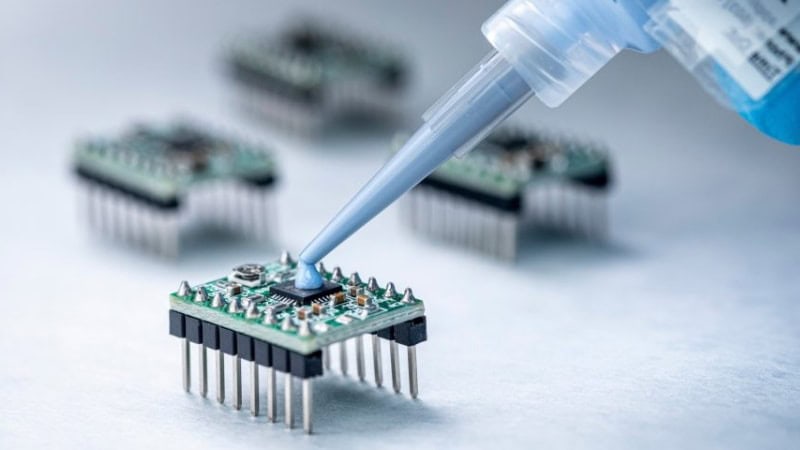
Performance depends on several technical factors that influence heat transfer and component longevity. Engineers consider how materials interact with thermal management systems, the quality of contact with heat sinks, and how properties change over time.
Here are a few key performance metrics to keep in mind:
- Thermal Conductivity (W/mK): It indicates how well a material conducts heat through its body. Higher thermal conductivity allows for faster heat transfer from chips to heat sinks.
- Compressibility, Conformability, and Thickness: Materials must conform to surface irregularities to maximize contact. Thicker layers can fill gaps but may add resistance if compressibility is insufficient.
- Thermal Resistance and Interface Contact Quality: Low thermal resistance is critical for efficient cooling. Microscopic gaps, trapped low thermal conductivity air, and uneven surfaces increase resistance and reduce thermal performance.
- Reliability Over Time: Factors such as pump-out, dry-out, and creep affect long-term performance. A TIM that degrades will reduce heat transfer, impacting thermal management systems and potentially shortening component lifespan.
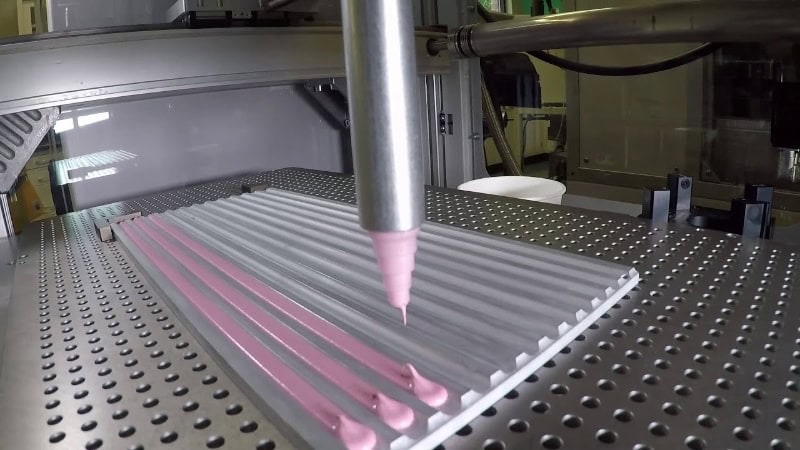
Correctly matched thermal interfaces maintain efficient heat dissipation, protect devices from overheating, and support consistent performance in demanding environments.
4. Assembly, Application & Reliability Best Practices
Correct handling of thermal interface materials during assembly makes a noticeable difference in cooling performance and device durability. Here’s how to prepare the surface for optimal heat transfer.
- Clean component and heat sink surfaces to remove dust, oils, and residues that interfere with contact.
- Inspect for scratches, unevenness, or warping that could reduce effectiveness.
- Flatten minor surface imperfections when possible to improve material conformity.
4.1 Application Techniques for Greases, Pads, and Epoxies
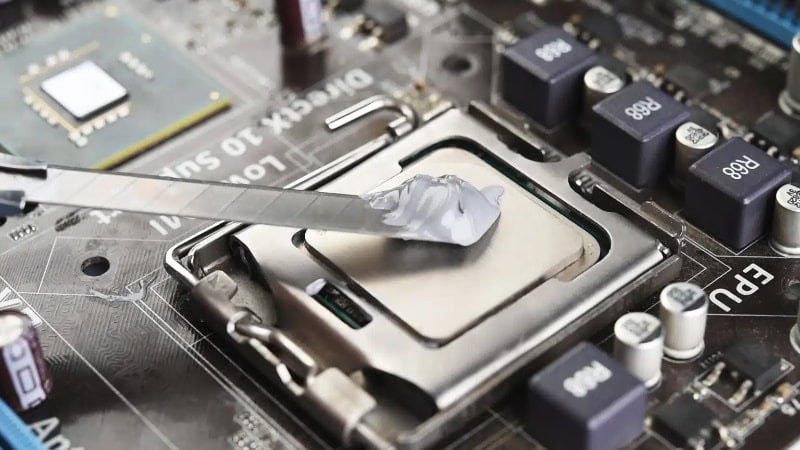
The following application techniques make thermal interface materials more effective.
- Spread thermal grease evenly, avoiding thick layers that could trap air.
- Place pads carefully to prevent folding or gaps between surfaces.
- Apply epoxy adhesives uniformly, ensuring full coverage without overflow.
- Follow recommended pressure or curing instructions for each material type.
Maintenance and rework are also important to maintain longevity in field conditions. Inspect materials during regular maintenance and replace anything showing shrinkage, cracking, or drying.
Also, avoid reusing pastes or pads that have lost their shape or consistency. Keep notes on application methods and replacement intervals for consistent results over time.
5. Thermal Pads for Power Electronics Applications
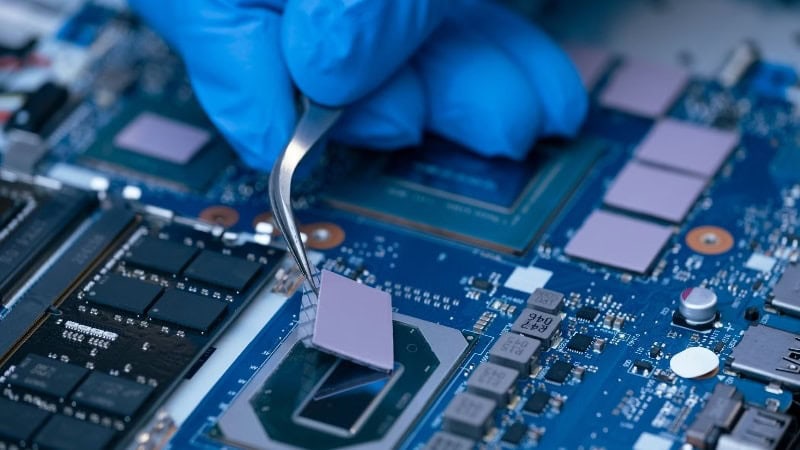
Thermal pads are popular in power modules, converters, and other heat‑intensive electronics because they provide a reliable interface between components and heat spreaders. These pads simplify assembly, reduce the need for messy pastes, and maintain consistent contact under compression.
Power electronics often include heat generating components that must remain within safe operating temperatures, and pads help bridge that gap efficiently and cleanly.
5.1 Why Choose Thermal Pads in Power Products
Thermal pads improve the contact between devices and heat sinks or chassis, even on surfaces that aren’t perfectly smooth. They fill irregularities and help reduce air pockets that act as barriers to heat flow.
Pads offer benefits compared with traditional options like putties or greases, such as:
- Easy placement with minimal mess and fewer handling errors
- No need to dispense or spread material during production
- Consistent physical thickness that supports repeatable assembly
- Longer service life under thermal cycling stress
Because pads maintain steady contact with mating surfaces, they support more predictable thermal performance in products that see frequent power changes or tough operating conditions.
5.2 Ohmite Thermal Pads: Features and Use Cases
Ohmite offers thermal pads designed specifically for power electronics and related products. These pads come in flexible graphite or silicone‑based constructions, each suited for a range of applications.
The graphite versions compress to improve contact and reduce thermal impedance, helping dissipate heat across the interface. They can withstand wide temperature ranges and changing operating conditions without degradation.
Silicone‑ and ceramic‑filled pads are electrically insulating and conformable, making them useful in designs where isolation and consistent material behaviour matter. Common uses include motor drives, telecom power supplies, inverters, and other modules where heat must be moved away from critical parts.
7. Choosing the Right Thermal Interface Material
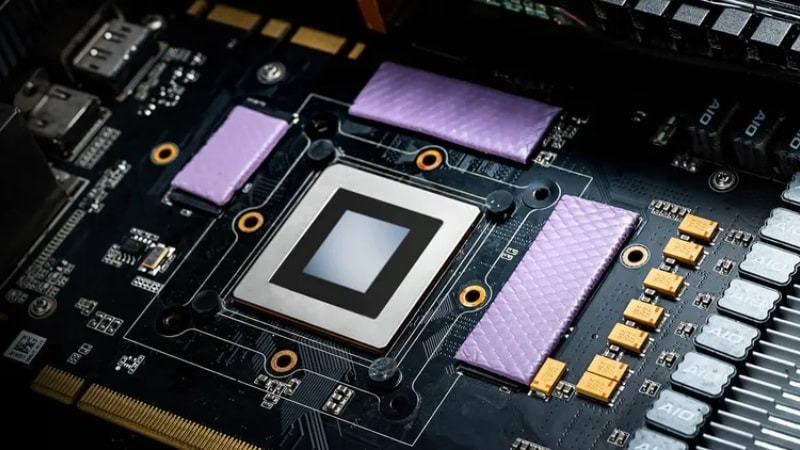
Properly selected TIMs help conduct heat efficiently across solid surfaces, reducing hotspots and improving operational stability. Materials with very good thermal conductivity allow rapid heat transfer, while some options also provide electrical isolation, protecting sensitive circuits.
Pads, greases, and epoxies each offer different advantages, depending on surface quality, assembly requirements, and maintenance needs. Considering these factors keeps components running cooler and operating safely.
For reliable solutions, Jiuju offers advanced polymer-based TIMs engineered for consistent performance in demanding electronics applications. Contact us now to find your options.
Frequently Asked Questions (FAQ)
What Is the Best Thermal Interface Material for CPUs?
The best TIM for CPUs combines thermally conductive properties with low thermal resistance. Phase change materials and high-quality thermal greases often improve thermal conductivity and maintain stable heat transfer in electronic devices.
Can You Reuse Thermal Grease?
Reusing thermal grease is not recommended. Old grease can dry out, trap air, and reduce contact. A fresh application maintains thermally conductive contact and helps improve thermal conductivity between electronic devices.
How Thick Should a Thermal Pad Be?
Thermal pad thickness depends on gap size between components and heat spreaders. Proper thickness facilitates full contact with solid surfaces, phase change activation, and optimal thermally conductive performance.
Are Thermal Adhesives Better Than Pads?
Thermal adhesives provide strong bonds and electrical isolation, but they are permanent. Pads are easier to replace, conform to solid surfaces, and maintain consistent phase change and thermally conductive properties in electronic devices.